COP29: Can Baku convince major powers to invest in climate?


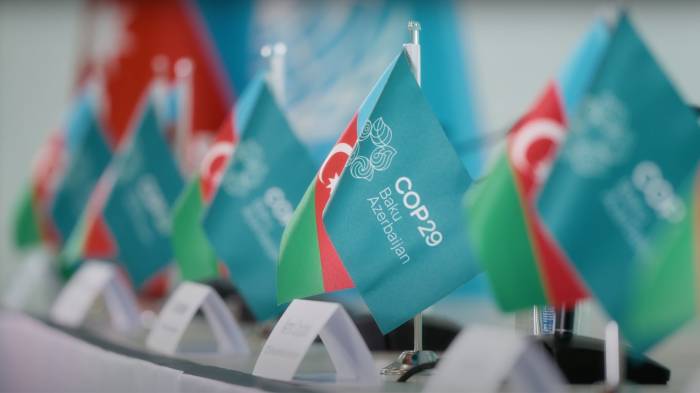
In Baku, the preliminary meeting for the United Nations Framework Convention on Climate Change (UNFCCC) – Pre COP29 – has kicked off.
This event traditionally takes place before the main climate summit and is often referred to as a “mini-COP.” The same rules, the same principles, and hundreds of guests from all over the world. PreCOP is held a month before the main conference to align agendas, and if consensus isn’t reached, the remaining time is used by organizers to make adjustments. But this likely won’t be the case for COP29.The key focus of Azerbaijan’s presidency is on cooperation, funding, and developing effective mechanisms to support countries in transitioning to green energy. Experts believe that even if COP29 doesn't result in a breakthrough in fulfilling the Paris Agreement, it will still address long-standing issues that have hindered the achievement of key climate goals. The Baku summit is expected to play an important role in motivating nations to meet their existing commitments and to develop more detailed plans to achieve them.
One of the main initiatives on the COP29 agenda is the establishment of the International Mechanism for Climate Finance (IMFF). This fund could play a crucial role in closing the gaps in climate financing. The fund’s capital is expected to come primarily from fossil fuel-producing countries and companies involved in oil, gas, and coal extraction. The goal is not only to invest in climate projects in developing countries and small island states but also to ensure that countries with fossil fuel reserves and companies in this sector contribute more to the transition to green technologies. The initial aim is to raise $1 billion and bring at least 10 donor countries on board.
Azerbaijan’s leadership on this initiative has garnered significant support, but how this will translate into concrete decisions remains to be seen. At least at the UN level, there is strong backing. Speaking at PreCOP29, the UN Deputy Secretary-General Amina Mohammed noted that some countries lack the means to carry out their climate plans, and the UN’s primary goal is to support these nations and foster partnerships. Countries must cooperate in setting new national targets. “Time is running out, and urgent steps must be taken. We now need a global dialogue where everyone’s voice is heard. COP29 will show how united we are. The world needs events like this,” said Mohammed.
The Executive Secretary of the UNFCCC, Simon Stiell, described the upcoming challenges as “a steep mountain to climb,” and it’s hard to disagree.
Climate finance is not a new issue. In 2022, developed countries contributed and mobilized $115.9 billion to help countries vulnerable to climate change, finally reaching the target of $100 billion in annual climate finance. However, this milestone was achieved two years late, and much of the financing came in the form of high-interest loans, increasing the debt burden on vulnerable countries. This failure has bred mistrust among nations. COP28 revealed that many promises remain unfulfilled, and the Baku conference aims to correct this.
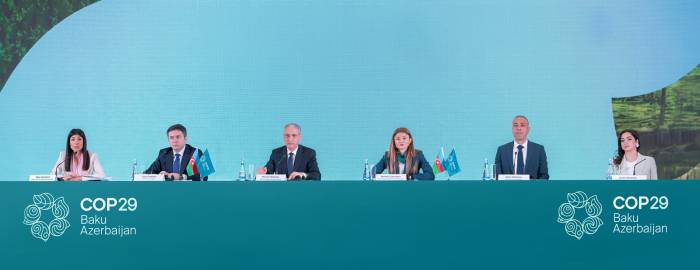
To ensure continuity, the United Arab Emirates, Azerbaijan, and Brazil, as the chairs of COP28, COP29, and COP30, respectively, have formed a "Climate Trio." Azerbaijan has developed an ambitious action plan that includes 14 initiatives addressing a range of issues, such as peace, finance, human capital, and water resources. These are just a few of the areas of focus. The "call for a ceasefire during COP" has gained even more relevance given the current geopolitical tensions, according to Azerbaijani President Ilham Aliyev. In his address to the PreCOP29 participants, Aliyev noted that significant progress had been made in September towards operationalizing the Loss and Damage Fund. The main task now is to establish a "fair and ambitious New Collective Quantified Goal (NCQG),” which meets the needs of developing, least developed, and small island developing states. This new financial goal requires a significant increase in funds. The Azerbaijani leader believes it's time for countries to stop squabbling over who is more responsible for global warming and instead focus on solutions. A multilateral approach is necessary, and COP29 will serve as a test of this.
Not only President Aliyev, but many others, expect significant decisions to emerge from COP29 in Baku. But these decisions will only be made through discussion and consensus. The wealthier nations, who are the main contributors to the climate crisis, need to recognize their responsibility. And this responsibility needs to be expressed in hard currency. Azerbaijan contributes only 0.1% to global emissions, a drop in the ocean compared to the United States, the UK, or China, but the country is ready to shoulder its share of the burden—and expects the same from other major powers.
(If you possess specialized knowledge and wish to contribute, please reach out to us at opinions@news.az).


Similar news