COMMENT: U.S. unlikely to lift energy sanctions on Russia


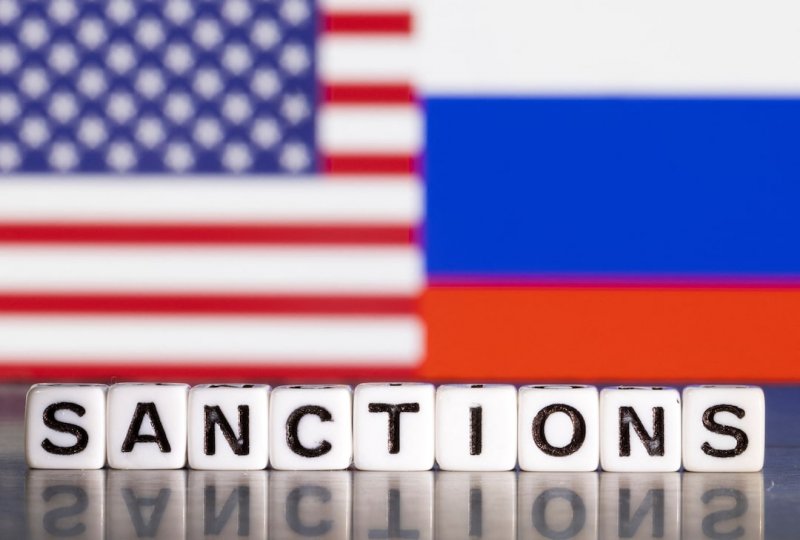
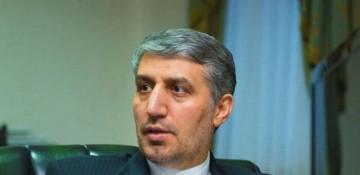
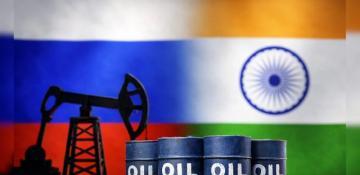
The United States may be considering changes in its policy toward Russia, including the potential lifting of some sanctions. However, such steps in the energy sector are highly unlikely, according to Russian political analyst Darya Grevtsova in an interview with News.Az. Grevtsova emphasized that Russia remains a serious competitor for the United States in the global energy market. “Allowing Russia to profit from oil and gas exports would not be in Washington's interest,” she stated.
 www.ipi-rf.ru
The U.S. is determined to maintain its dominant position in the energy market by supporting its own major suppliers rather than enabling increased competition from Russia. As a result, Grevtsova believes that the current energy sanctions are likely to remain in place for the foreseeable future.
Even if the United States were to lift its energy sanctions, it would probably have little effect on European nations or their leaders. "Sanctions imposed by European countries themselves will remain in force, and they have no intention of lifting them," Grevtsova explained.
The relationship between Russia and the United States is viewed separately by European leaders, who do not plan to change their stance.
Grevtsova suggested that the situation might need to be examined from a different angle. Businesses across Europe, heavily dependent on Russian gas and oil for affordable energy, could increase pressure on European politicians to remove sanctions. Access to cheaper Russian energy has been crucial in keeping production costs at manageable levels, which is why industries and consumers alike might intensify their calls for change.
However, leading European politicians, such as Germany's new chancellor and French President Emmanuel Macron, remain firmly against lifting sanctions on Russia and are not prepared to make concessions. “Despite mounting pressure from businesses and consumers seeking access to cheaper oil and gas, these leaders are holding their ground,” Grevtsova noted.
Grevtsova also highlighted the potential consequences if the United States were to set an example by lifting sanctions. Such a move could significantly increase pressure on European leaders to follow suit. Nonetheless, she pointed out that the prevailing mood among most European politicians is to extend the sanctions regime rather than relax it.
Divergences within Europe on the issue of sanctions are becoming increasingly apparent. While most EU leaders are committed to maintaining sanctions, others — such as the leaders of Hungary and Slovakia, who are acutely reliant on Russian energy resources — are advocating for sanctions relief. This internal divide could pose challenges to a unified European stance on the matter.
In conclusion, while some shifts in U.S.-Russia relations may be on the horizon, energy sanctions are unlikely to be part of them. For now, the status quo is expected to persist, with both Washington and European capitals maintaining a firm line on restricting Russia's energy exports, Grevtsova told News.Az.


Similar news