Europe returns to pipeline gas: The end of the LNG era?


By Asif Aydinli
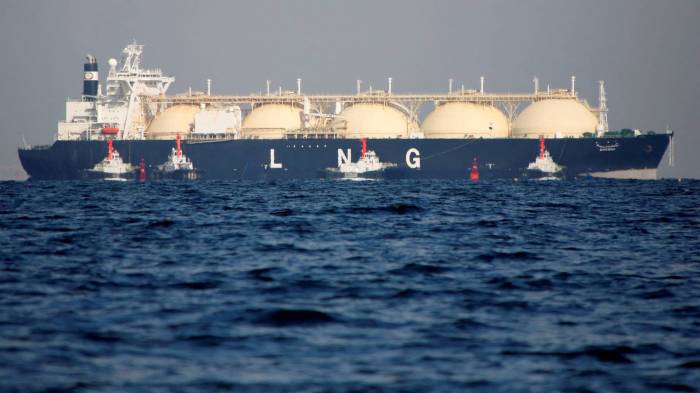
As a result of the Russian-Ukrainian conflict , Europe faced an unprecedented energy crisis. Confronted with the threat of gas supply disruptions, countries in the region began urgently seeking alternatives. One such solution was the sharp increase in liquefied natural gas (LNG) imports from the United States. American suppliers, responding swiftly to the surge in demand, ramped up LNG shipments to the European market, partially filling the gap left by reduced Russian pipeline gas supplies. However, over time, Europe appears to be shifting its strategy, turning its attention back to more traditional and seemingly more stable sources—pipeline gas.Amid the conflict in Ukraine and sanctions against Russia, Europe actively purchased LNG in 2022-202 3, temporarily reducing its dependence on Russian pipeline gas. However, the latest report from the Gas Exporting Countries Forum (GECF) suggests that this trend may be short-lived. In July 2024, LNG purchases in Europe fell by 26% compared to the previous month, totaling 6.34 million tons—the lowest level since September 2021. This decline is particularly notable given that LNG was recently considered a key tool for ensuring the region's energy security.
Several factors contributed to this drop, including a decrease in overall gas demand, the accumulation of significant reserves in European storage facilities, and stable or even increasing supplies of pipeline gas. Additionally, the sharp increase in the price gap between spot LNG prices in the Asia-Pacific region and Europe has played a role. Asia, with its growing economies and energy needs, offered more favorable terms to LNG suppliers, leading to a significant redirection of liquefied gas volumes from Europe to Asian markets.
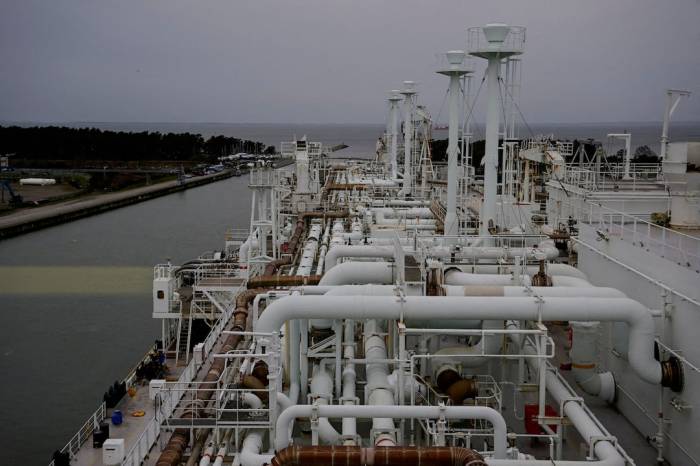 As LNG imports have declined, Europe has once again increased its purchases of pipeline gas. Data from January to July 2024 shows that European countries imported 93 billion cubic meters of gas, 5% more than in the same period of 2023. Increases in supplies have been observed from three key sources: Russia, Norway, and Azerbaijan.
Russia, despite sanctions and political tensions, continues to be an important gas supplier for Europe. In the first seven months of 2024, Russian gas exports via the TurkStream pipeline grew by 44%, and through the Ukrainian route by 24%. This indicates that, despite Europe's efforts to diversify supplies, Russian gas remains a crucial element in the continent's energy balance.
Norway, one of the most stable and reliable gas suppliers to Europe, also increased its deliveries, adding 1.4 billion cubic meters of gas. Azerbaijan, with its strategic location and the Southern Gas Corridor project, boosted exports by 0.7 billion cubic meters, strengthening its position in the European energy market.
The question of why Europe is returning to pipeline gas is complex and does not have a straightforward answer. On one hand, pipeline gas offers more stable supplies and is generally cheaper than LNG, especially when spot LNG prices are highly volatile. Pipeline deliveries are not dependent on global sea routes and associated infrastructure, reducing risks related to transportation and logistics.
On the other hand, the increase in pipeline gas supplies may indicate that European countries are recognizing the limitations associated with LNG imports. Despite its apparent advantages during a crisis, LNG has drawbacks, including the high cost of infrastructure for receiving and regasification, as well as dependence on global demand and competition with Asian markets.
The political aspect is also significant. It is likely that the European Union, in its pursuit of energy independence, will continue to support supplier diversity but will be more selective in choosing partners. In this context, gas supplies from Russia and Azerbaijan, as well as Norway's strengthened position, appear to be an attempt to create a more sustainable and balanced energy supply system.
What does the future hold for Europe? At this stage, one thing is clear: Europe is not ready to completely abandon pipeline gas in favor of LNG. Moreover, current trends indicate that pipeline gas may once again occupy a key position in the continent's energy balance. However, this does not mean that LNG will be relegated to the background. Rather, it will become part of a more flexible and diversified supply system that includes pipeline gas, LNG, and renewable energy sources.
The key to the future of the European energy market will be its ability to adapt to rapidly changing conditions. Europe must learn from the lessons of recent years to avoid repeating mistakes and be prepared for any scenarios the future may present. Ultimately, the most successful strategy will be the one that ensures maximum resilience and security in the long term, whether through LNG, pipeline gas, or new, yet-to-be-discovered energy sources.


Similar news