France must act to address growing poverty in its overseas territories


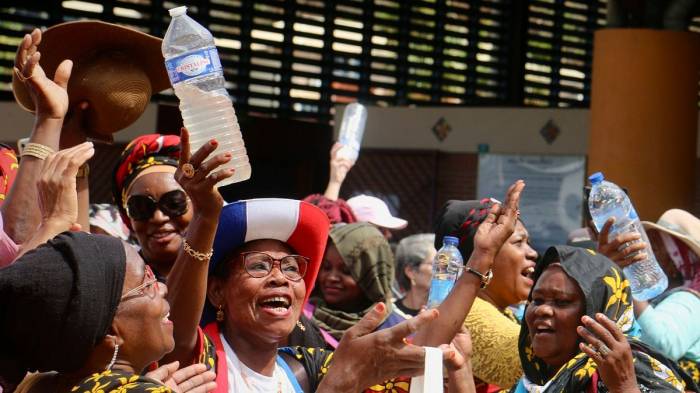
Photo: Euronews
In a striking critique of France’s socio-economic policies, an article in Le Monde titled “In France, the Pace of Poverty Reduction Has Stalled for 20 Years and Continues to Increase” sheds light on a critical issue that has remained overlooked in public discourse: the persistent and rising poverty levels in France’s overseas territories. While metropolitan France has seen notable strides in poverty reduction over the years, its overseas regions paint a starkly different picture, with nearly 40% of their populations living in poverty.
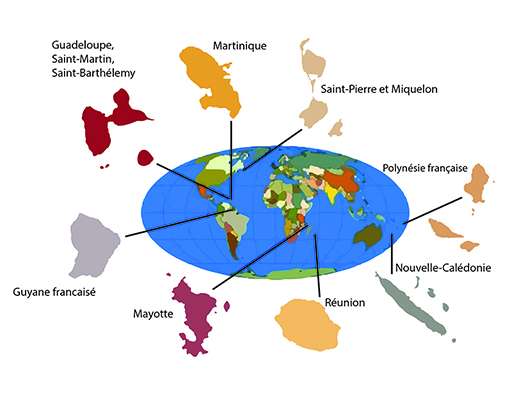
This enduring inequality is a glaring indictment of a system that has consistently failed to address the unique challenges faced by these territories. From Guadeloupe and Martinique in the Caribbean to French Guiana in South America and Réunion in the Indian Ocean, these regions grapple with structural poverty that shows no signs of abating.A system stalled
For two decades, France’s poverty reduction efforts have stagnated. Despite the country’s overall economic development, the benefits of growth have not been equitably distributed. Mainland France has reaped the rewards of advancements in infrastructure, social welfare, and technological innovation. Meanwhile, its overseas territories remain economically stagnant, plagued by high unemployment, underemployment, and inadequate access to essential services such as healthcare, education, and affordable housing.
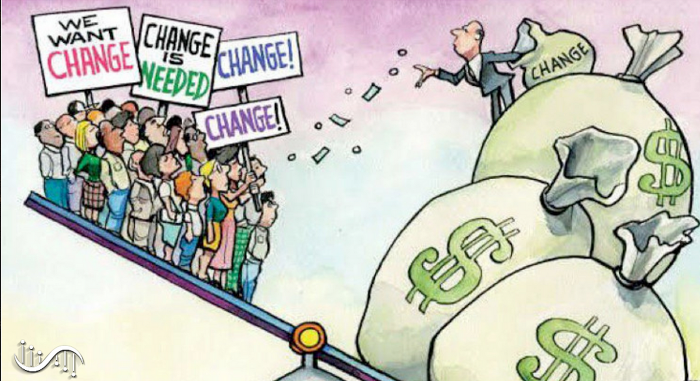
The cost of living in these territories is disproportionately high, exacerbated by their reliance on imports and limited local production. This economic imbalance leaves residents with significantly lower purchasing power and deepens the chasm of inequality. Compounding these issues is the geographic isolation of these regions, which hinders investment and stifles opportunities for sustainable development.
The legacy of colonialism
To understand the entrenched poverty in France’s overseas territories, one must acknowledge the historical context. These regions bear the scars of colonialism, a system designed to benefit the metropole at the expense of local populations. Economic structures in these territories were historically oriented around resource extraction and plantation economies, leaving little room for diversification or local empowerment.
Even in modern times, these colonial legacies persist. Public-sector employment dominates local economies, and the lack of private sector growth has stifled economic mobility. Decisions affecting these regions are often made in Paris, far removed from the realities on the ground, fostering a sense of neglect among local populations. This disconnect is not merely administrative; it is emblematic of a broader indifference to the socio-economic struggles of these territories.
Breaking the cycle

The path forward requires more than incremental policy adjustments. Addressing poverty in France’s overseas territories demands a systemic overhaul. This begins with economic diversification—investing in local industries, fostering entrepreneurship, and reducing dependence on public-sector employment. Strategic investments in infrastructure, education, and healthcare are critical to breaking the cycle of poverty and equipping future generations with the tools to succeed.
Reducing the cost of living must also be a priority. Subsidies for essential goods, support for local agriculture, and efforts to build self-sustaining supply chains could alleviate the financial burden on residents. Furthermore, inclusive governance is essential. Policies must be informed by local stakeholders, ensuring that solutions are tailored to the specific needs and realities of each territory.
A reckoning with history
France must confront the historical roots of its inequalities. Acknowledging the colonial foundations of poverty in its overseas territories is a necessary step toward crafting meaningful solutions. This reckoning is not about assigning blame; it is about understanding the systemic forces that continue to shape these regions and committing to dismantling them.
Economic decentralization, greater local representation in policymaking, and initiatives aimed at empowering these communities politically and socially are vital. Without such measures, any progress will be superficial and unsustainable.
The time for change is now
The rising poverty in France’s overseas territories is not just a local issue; it is a national crisis that challenges the ideals of liberty, equality, and fraternity. France cannot afford to treat these regions as distant peripheries. They are an integral part of the nation, and their prosperity should reflect this status.
The French government must act with urgency and ambition, implementing policies that go beyond financial aid to address the structural inequalities that perpetuate poverty. This is not merely a question of economics; it is a moral imperative to ensure that every citizen, regardless of where they live, has the opportunity to thrive.
As the Le Monde article rightly highlights, the time for incremental change has passed. France must embrace bold, transformative reforms to create a more equitable future for its overseas citizens. Anything less would be a disservice to the ideals it claims to uphold.
(If you possess specialized knowledge and wish to contribute, please reach out to us at opinions@news.az).


Similar news