France’s Orano shifts focus to Uzbekistan after losing Niger’s uranium assets


By Samir Muradov
France’s Orano Mining, Uzbekistan’s Navoiuran, and Japan’s ITOCHU have signed a trilateral agreement to commence uranium extraction at the Jongeldy deposit, marking a significant step in the development of Uzbekistan’s uranium industry. The agreement was signed on March 10, 2025, in Paris and covers not only the development of the deposit but also the acceleration of geological exploration within other joint projects.
Uzbekistan ranks among the top five global uranium producers, and cooperation with leading international companies such as Orano Mining and ITOCHU can significantly strengthen the country's position in this strategically vital sector. The new agreement opens avenues for expanding the uranium mining industry, increasing production volumes, and attracting foreign investment.

Source: Uzbekistan Geoportal
The initial phase of the Jongeldy deposit development will see an investment of $214 million over three years. The primary investors will be foreign companies, while Navoiuran has been designated as the project operator. This setup aims to reduce production costs and integrate mining operations into the company’s existing industrial infrastructure. The expected average annual uranium production is projected at 500 tonnes, with peak production at South Jongeldy reaching up to 700 tonnes per year.
To implement the project, a joint venture, Nurlikum Mining, will be established, with ITOCHU acquiring a stake in it. This underscores the international nature of the project and enhances its investment appeal.
The development of the uranium project in Uzbekistan comes amid France’s loss of its mining assets in Niger. Following a change in leadership in the African nation, Niger’s Minister of Mines, U. Abarshi, stated that French companies are unlikely to regain their uranium mining rights. This has compelled Orano Mining to seek alternative production sources, focusing on assets in Uzbekistan, Kazakhstan, Mongolia, Namibia, and Canada.
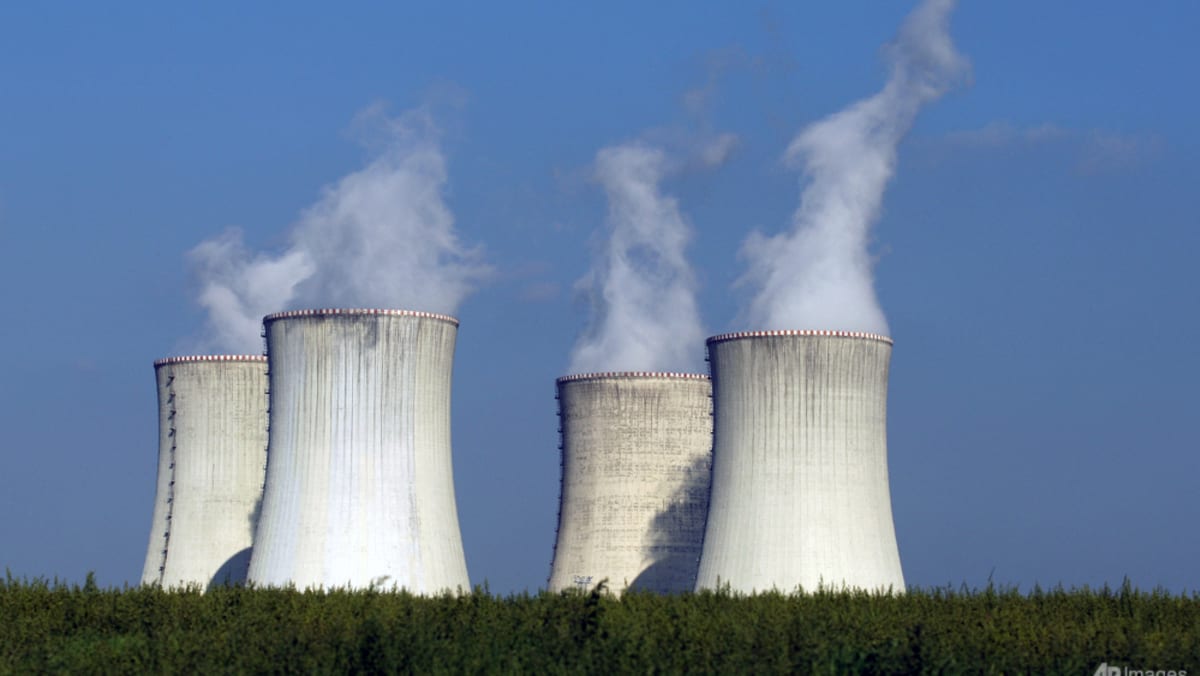
Source: CNA
According to the World Nuclear Association, Niger ranked seventh globally in natural uranium production in 2022, accounting for 3.47% of global output. Orano sourced approximately 1,200 tonnes of uranium from Niger, compared to 5,000 tonnes from Canada, with the remainder coming from Kazakhstan. The loss of Nigerien assets has made projects in Central Asia a top priority for the French company.
The Jongeldy deposit development is part of a broader cooperation program between Navoiuran and Orano, initiated in 2022 with the signing of a strategic framework agreement between the French company and the Uzbek government. Notably, in November 2023, President of Uzbekistan Shavkat Mirziyoyev met with Orano Chairwoman Claude Imauven, during which both sides endorsed an initiative to expand cooperation in uranium exploration and extraction.

Source: The Brief
Simultaneously, Orano Mining is intensifying its activities in other countries. In December 2024, the company signed a preliminary agreement with Mongolia to develop the Zoovch-Ovoo deposit, and in February 2025, Orano CEO Nicolas Maes announced plans to secure a deal for a small-scale mining operation in Uzbekistan.

Source: Neftegaz.RU
The signing of the trilateral agreement between Orano Mining, Navoiuran, and ITOCHU marks a crucial milestone in the advancement of Uzbekistan’s uranium sector. The implementation of the Jongeldy project will not only boost uranium production but also reinforce Uzbekistan’s standing in the global uranium market. Amid geopolitical shifts and France’s loss of mining assets in Africa, Uzbekistan is emerging as a key partner for Orano. Additionally, the agreement presents new opportunities for Japan, which is keen on securing stable uranium supplies. Moving forward, deeper cooperation and further investments in Uzbekistan’s uranium industry can be expected.


Similar news