Gas hub in Istanbul: What benefits does it promise for Turkey and Russia?


By Asif Aydinli
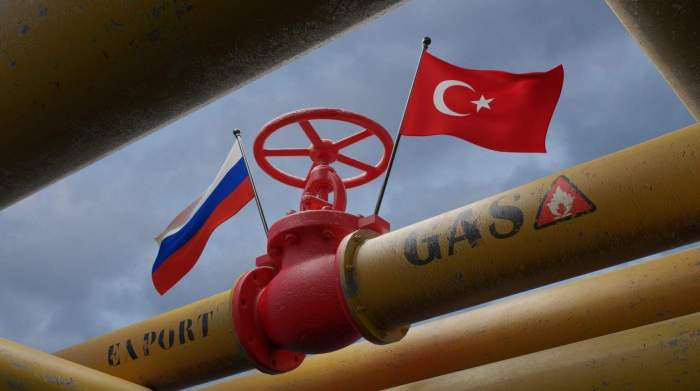
Turkey is taking bold steps to establish itself as a central player in Eurasian gas trade. With the planned creation of a major gas hub in Istanbul by 2025, Turkey aims not only to enhance its energy security but also to redefine the dynamics of the gas market for both Europe and Asia. This ambitious project, developed in partnership with Russia's Gazprom and Turkey's national corporation BOTAŞ, promises to become a crucial component in international gas trade, providing Turkey with control over energy transit routes and pricing mechanisms in the region. But what are the real dimensions of this project, and what challenges does it entail?
Turkey’s Energy Minister, Alparslan Bayraktar, has announced plans to create a domestic gas index, similar to those in Europe and the U.S. This index will serve as a new benchmark for natural gas prices in Istanbul, enabling Turkey and Russia to adopt an alternative pricing model, moving away from dependency on Western markets. Through this initiative, Russian gas could be sold based on the Istanbul Gas Indexed (IGI) price, reducing the impact of Western sanctions and regulatory constraints on Russian energy exports to Europe.With this move, Turkey aligns itself with the world’s leading gas trading platforms, becoming a new reference point for gas pricing. This development is significant for gas-importing countries, which can engage in contracts based on Istanbul prices instead of traditional European indices like the TTF. For Russia, this opens up a new market and the possibility of selling its gas under terms less susceptible to geopolitical risks and economic fluctuations.
The energy partnership between Turkey and Russia is evolving against the backdrop of increasing tensions between Russia and the West. In recent years, Turkey has actively diversified its energy sources, entering long-term contracts not only with Russia but also with countries like Oman, Qatar, and Azerbaijan . Nonetheless, cooperation with Russia remains a priority. Since 2023, BOTAŞ has signed several agreements with Gazprom for supplies at special prices, and Russian President Vladimir Putin has personally assured Turkish President Recep Tayyip Erdoğan of his support for the hub project.
Turkey’s strategic position between Europe and Asia grants it unique leverage over gas transit and distribution, offering Russia an alternative export route. This project is particularly relevant given the uncertainties surrounding future gas transit through Ukraine to Europe, which, according to forecasts, may not continue. Thus, the Turkish hub serves as a new conduit for Russian gas, mitigating the risk of supply disruptions amid sanctions and political conflicts.
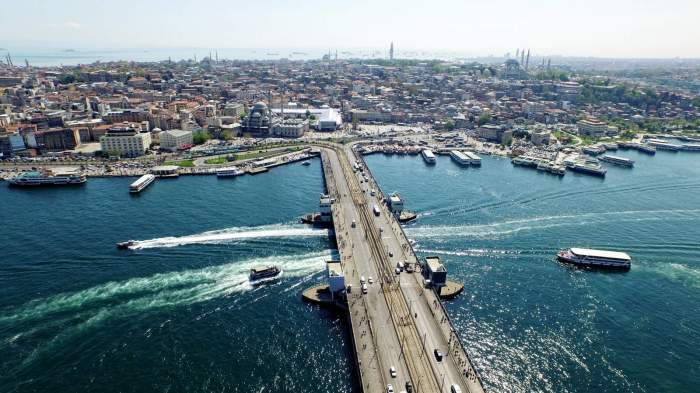
The establishment of the gas hub is expected to boost Turkey’s economy by creating thousands of new jobs, increasing revenue from transit operations, and developing infrastructure. In a time of inflation and an energy crisis, Turkey intends to seize the opportunity to become a regional gas leader, strengthening energy independence and providing lower prices for domestic consumers.
Alparslan Bayraktar also announced a cost-based payment model for electricity and gas bills, which considers actual consumption. This system will allow different tariffs for various regions in Turkey, enabling more efficient energy management and reducing expenses for the public.
Additionally, Turkey has signed long-term agreements with LNG suppliers from Oman, the U.S., Qatar, and other countries, which will secure additional gas volumes, strengthening Turkey’s economy and increasing its influence as a key regional gas supplier.
Despite the project’s vast potential, Turkey faces several challenges. First, the upcoming winter could be critical for European countries, as the halt in Ukrainian transit and potential gas price increases could trigger an energy crisis in the region. In this context, Turkey will need to maintain stable gas prices to avoid domestic market fluctuations.
Second, despite support from Russia, Turkey will have to balance the interests of various international partners, including the EU and the U.S., which may not support such close energy cooperation between Turkey and Russia. The Istanbul hub will become an independent trading platform, but its actual significance will depend on Turkey’s ability to attract other suppliers and keep prices competitive.
The Turkish gas hub also requires the expansion of gas terminals and storage facilities, demanding substantial financial investment and expertise. Contracts with companies like ExxonMobil and Shell are intended to help Turkey address these challenges, but achieving full energy independence remains a long-term goal.
The launch of the Istanbul gas hub, scheduled for 2025, represents an important step in strengthening Turkey’s position in the global energy market. This project showcases how Turkey leverages its strategic location to act as a mediator between Europe and Asia, providing a stable gas supply channel amid growing uncertainties in international relations.
For Russia, this partnership is advantageous as it helps offset the loss of the European market and reduces dependency on European energy indices. Meanwhile, for Turkey, the project opens pathways to energy independence and stable economic growth.
However, like any strategic project, it requires careful planning and management to avoid potential risks and maintain a balance among all stakeholders. Turkey stands on the brink of becoming a new center of energy trade, and its success in this endeavor could forever alter the landscape of the Eurasian gas market.


Similar news