Gaza ceasefire: Hostage exchange and summit reshape conflict


The past 24 hours have seen one of the most dramatic developments in the Israel–Palestine conflict since the Gaza war began in 2023. A U.S.-brokered ceasefire, a large-scale prisoner–hostage exchange, and a major diplomatic summit have reshaped the situation on the ground, News.az reports.
On October 13, Hamas released the last 20 surviving Israeli hostages after more than two years in captivity. In return, Israel freed nearly 2,000 Palestinian prisoners and detainees, including around 250 convicted inmates and over 1,700 administrative detainees. Celebrations erupted across Gaza and the West Bank as freed prisoners returned home, while emotional reunions took place in Israel. Many released Palestinians spoke of harsh prison conditions. Prime Minister Benjamin Netanyahu hailed the hostages’ return as a moment of “indescribable joy,” and former U.S. President Donald Trump addressed Israel’s Knesset, calling the deal historic.
The ceasefire, which took effect on October 10, is part of Phase One of Trump’s Gaza peace plan. It includes Israeli military withdrawals, the release of all hostages, the return of deceased hostages’ remains, and international monitoring involving the U.S., Egypt, Qatar, Turkey, and others. However, Hamas has so far returned only four bodies, with 24 still unaccounted for. Israel has launched “Operation Shavim Legvulam” to oversee the implementation of the agreement.
In Gaza, Hamas has redeployed fighters and police to reassert control. Reports indicate internal violence, including targeted killings of rival groups, as power dynamics shift in war-damaged areas. With infrastructure severely destroyed, humanitarian aid and reconstruction efforts are urgently needed. Key governance questions remain regarding who will administer Gaza and how disarmament will be managed.
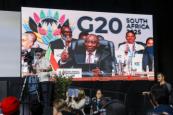
At a summit in Sharm el-Sheikh, world leaders endorsed the ceasefire and pledged support for reconstruction. Netanyahu has nominated Trump for the Israel Prize for his role in mediating the agreement. However, major political issues—such as Palestinian statehood, security guarantees, and the return of displaced residents—remain unresolved.
The ceasefire represents a historic opening but remains fragile. Its durability depends on full compliance, political compromise, effective humanitarian action, and international oversight. Without these elements, the current calm could quickly unravel.


Similar news