Gogava: “We don't need external mentors” - INTERVIEW


How the idea of three independent states can change Eurasia
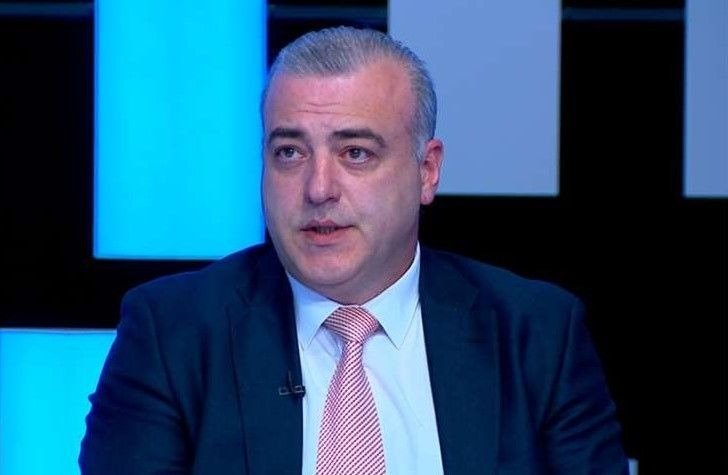
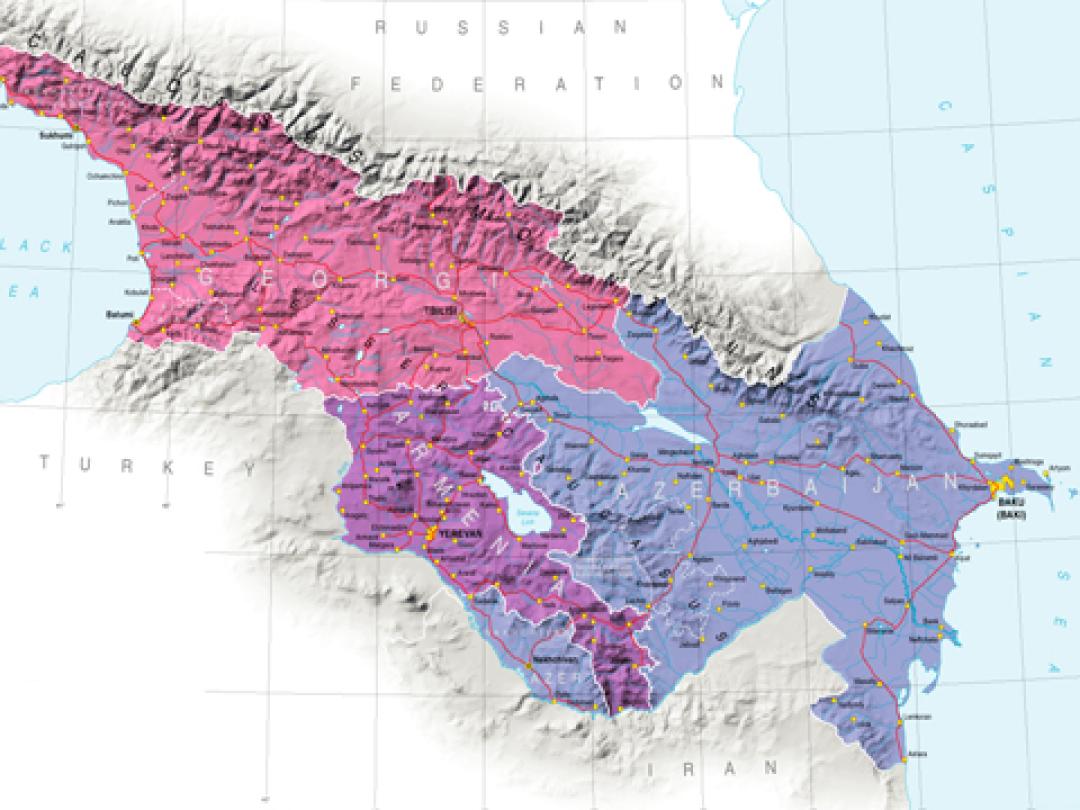
Amid the rapid transformations in the South Caucasus region, Georgia is once again at the center of attention – both as a potential mediator in the Azerbaijani-Armenian peace process and as a country undergoing its own political renewal. Prominent expert and analyst, Doctor of Political Sciences Irakli Gogava, discusses the peace treaty between Baku and Yerevan, the influence of external forces, the idea of creating a “Caucasian Trio,” and the significance of the events of October 4.
- Mr. Gogava, how do you assess the current stage of negotiations between Baku and Yerevan?
- For reasonable people, it’s clear: there is no alternative to peace. For small and medium-sized countries, conflicts are not only a tragedy but also a lever of influence in the hands of larger powers, allowing them to manipulate the parties and advance their own geopolitical and geo-economic interests at the expense of these same countries. Under no circumstances should the situation be allowed to slide into escalation.
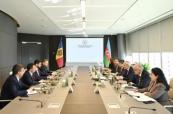
Source: Xinhua
I believe that if the countries are guided solely by their own interests, a major peace treaty is not far off. Imagine if most of the resources that Azerbaijan and Armenia currently spend on defense and security were redirected toward economic and social development — it would be a tremendous breakthrough for both countries. And for Georgia, this would also be beneficial, since our region operates on the principle of synergy: the richer your neighbor, the more opportunities there are for your own economy to grow.
- Which external forces, in your opinion, exert the greatest influence on the process — the West, Russia, or regional players
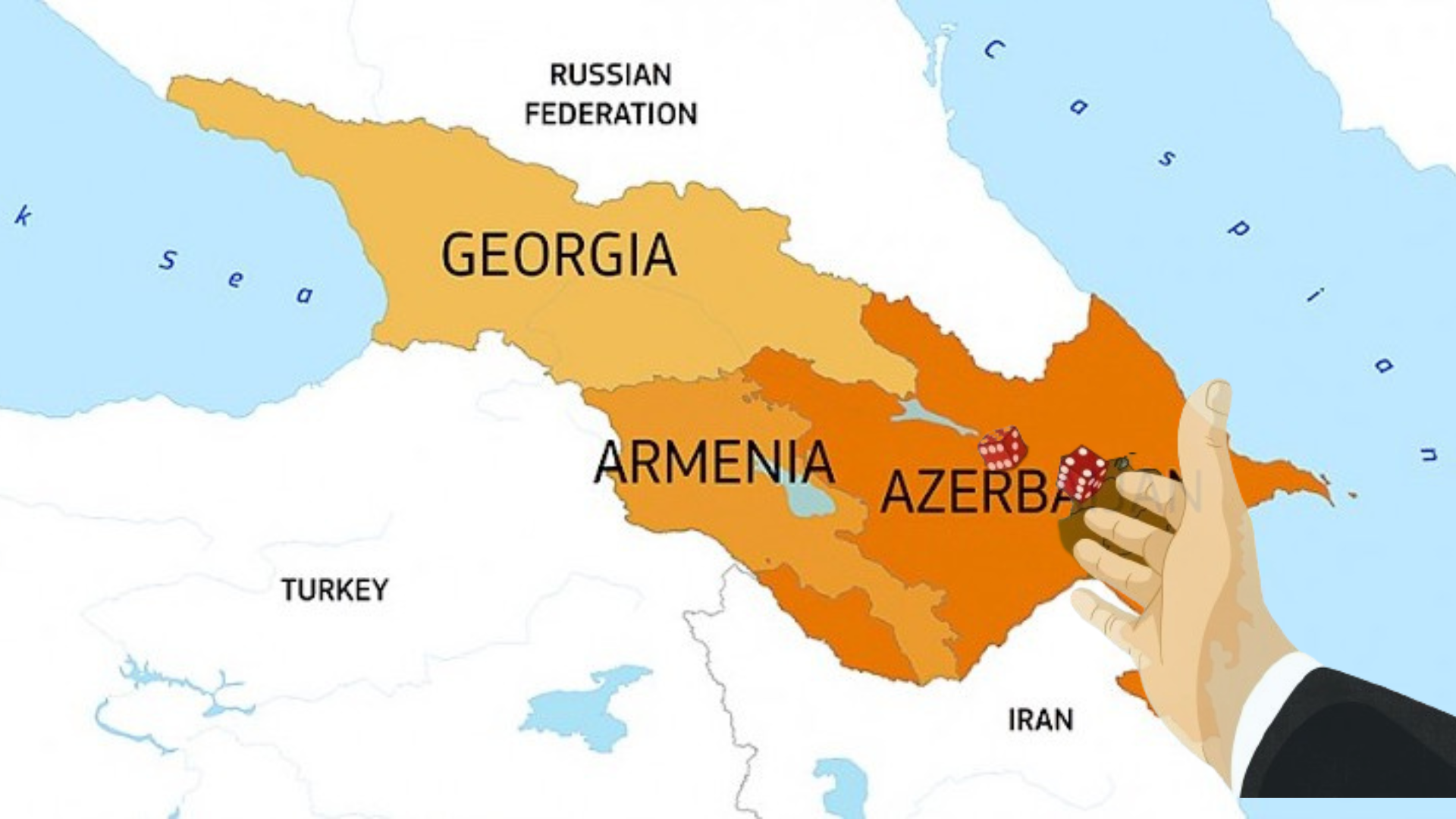
- I believe Russia deliberately did not interfere in resolving the conflict. Whether it didn’t want to or couldn’t will become clearer over time. As for some Western countries, they were clearly angered and dissatisfied that Azerbaijan managed to cut the Gordian knot without them. Benefiting from the conflict is no longer an option for them, and now they are “fishing” in the waters of the peace process.
Neighboring countries of the South Caucasus are interested in peace and in unblocking all communications, although there are factions that still think in old “divide and rule” paradigms. I am convinced that the best option for Azerbaijan and Armenia is a bilateral peace format, because the major powers will inevitably push their own interests first and foremost, aiming to preserve geopolitical influence over the region. One should also not discount the so-called arms lobbies, for whom any unresolved conflict is simply a market.
- What risks could hinder the implementation of peace initiatives despite the parties’ readiness for dialogue?
Source: AzerNews
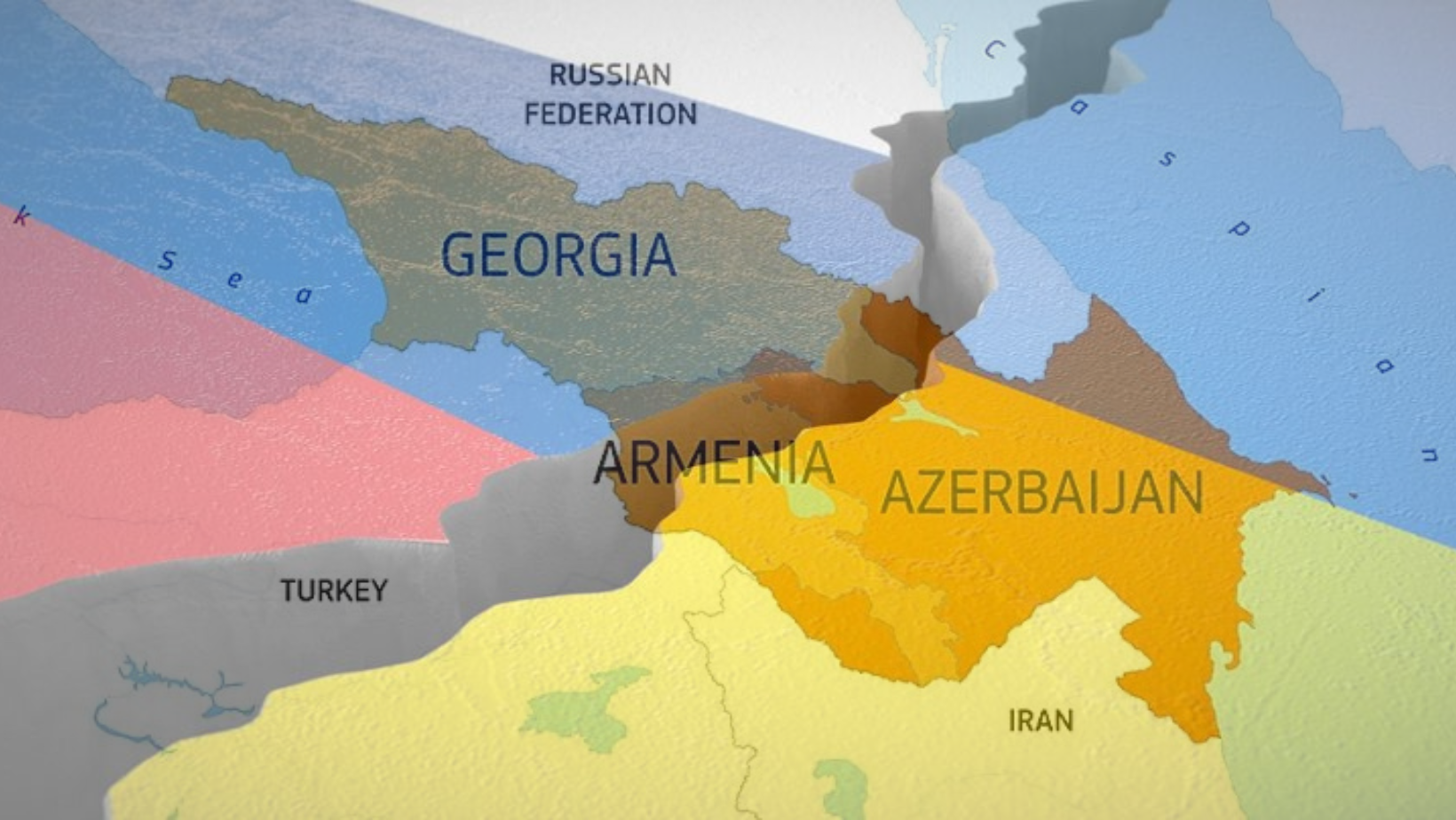
- First and foremost, external actors. Extra-regional players must either be kept away from the process or their participation minimized in such a way that their ego is not hurt, but they also don’t gain sustainable levers of geopolitical influence. The second risk is internal factors, such as revanchist moods or maximalist approaches. The third risk is allowing the religious factor to prevail in the international context.
All these factors are present to some extent now, but it is worth noting that the parties are managing them effectively, which inspires hope and optimism.
- Tbilisi has repeatedly stated its readiness to serve as a platform for negotiations between Baku and Yerevan. How realistic is Georgia’s role as a mediator or coordinator in this process?
- Objectively speaking, Georgia is the most interested in achieving peace among all third countries. From the very beginning of the conflict, Tbilisi demonstrated strict neutrality, unlike other countries that had their own preferences. A considerable number of Armenians and Azerbaijanis live in Georgia, and throughout this time, there has not been a single serious conflict between them, even in settlements where they live side by side. In Tbilisi itself, they coexist peacefully. If people had felt that the authorities were leaning toward one side, conflicts would have been inevitable.
Source: trendsresearch
And this is despite the fact that official Tbilisi has always upheld the principle of territorial integrity. Georgia’s offer to serve as a platform for negotiations between Baku and Yerevan was made with a sincere heart. We have no hidden agenda, unlike the major powers. We simply want peace in our region, understanding that this is in our own interest, and knowing that a major mediator would inevitably introduce its own interests — something undesirable for the region.
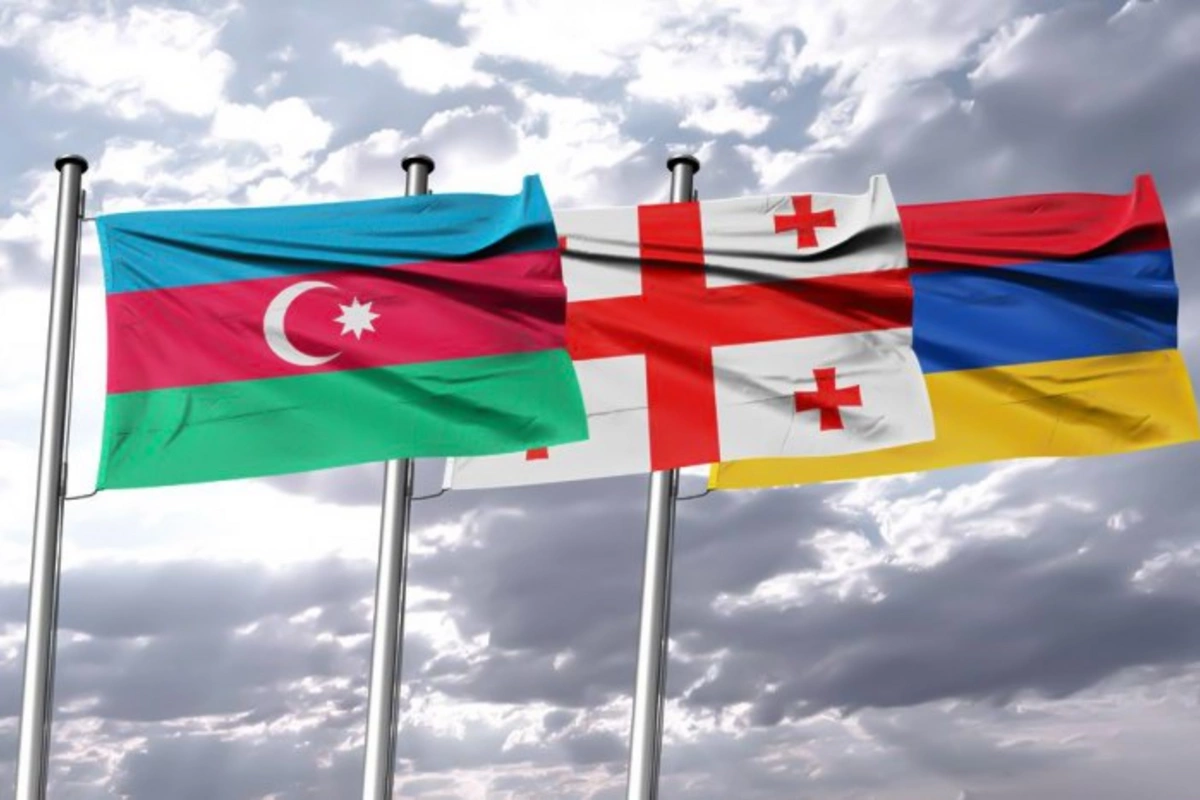
- In your view, is it possible to create a “Caucasian Trio” — a format of three independent South Caucasus states without external mediation
- The concept of the “South Caucasus Trio,” which I have been advocating for years, represents the next phase of development for our region. After the signing of a peace treaty, it will become even more realistic. Membership in mega-economic organizations will not bring us maximum benefits, as these structures are initially designed in the interests of larger states.
The creation of a single market for Azerbaijan, Armenia, and Georgia would be a real breakthrough. We developed a mathematical model for such a platform, and it showed that if a single market and smart division of labor are formed, the economic accelerator grows by almost 30%, which translates into an additional 1–2% GDP growth annually for all three countries. Our societies have already “grown up” — we don’t need external mentors. If we need a foreign specialist in a narrow field, we can simply hire them.

Source: Civil Georgia
A good example: at the last Olympics in Paris, Georgia ranked 24th in the world, but in terms of the economy, we are in 84th place. Why? Because foreign mentors don’t interfere in sports — they only work as hired specialists. But in the economy, they interfere deeply. That’s the difference in results. Regional economic integration based on consensus would become a serious lever for a developmental “leap.”
- It’s no secret that the events of October 4 were a watershed in Georgia’s political history. In your view, what is their main significance?
- We witnessed the complete defeat of the ultra-liberal, externally controlled opposition. The people, the church, and the government joined hands and formed a united front against external threats. Georgian society demonstrated maturity and wisdom, understanding the challenges, risks, and threats facing the country.
Over the last 30 years, the people have gained enough experience to distinguish wolves in sheep’s clothing, friends from foes, good from evil, lies from truth. The pro-Western romanticism is over. The “fifth column” has been defeated, discredited, and exposed. This is undoubtedly the achievement of Bidzina Ivanishvili, who, in the struggle for Georgia’s sovereignty, is gradually transforming from a political leader into a national leader.

Source: cepa
On the evening of October 4, election day, a foreign intelligence special operation disguised as protests took place in the streets — something confirmed by Prime Minister Irakli Kobakhidze. As expected, the agents who resorted to violent actions faced physical resistance, and the organizers were arrested. I believe the authorities will not be lenient. The organizers will be detained and brought to court, and political parties linked to Saakashvili will be banned in the country.
A parliamentary commission has published an investigative report on the criminal regime of Saakashvili, and based on this, an appeal will be made to the Constitutional Court, which will most likely cancel the registration of Saakashvili-linked parties and prohibit regime participants from public activity. Some may even face criminal liability. As a result, the political field will be cleansed of agent forces, making room for new forces focused on national interests.
- How might the internal changes that began after October 4 affect Georgia’s role in regional politics and in the South Caucasus as a whole?
Source: Apsny.Ge
- Sooner or later, Western countries will realize that pressure, blackmail, and threats are no longer effective means of communicating with Georgia. The neo-colonial approach no longer works. They will have to develop a positive agenda, similar to China’s approach — offering investments, concessional loans, participation in mega-projects, without demanding that we abandon our traditional values, undermine the Orthodox Church, propagate ultra-liberal ideologies, adopt their lifestyles, or allow them to select officials for state positions.
Greater sovereignty for Georgia means accelerated development, something we have already been observing since the beginning of the anti-colonial uprising. Over the past four years, Georgia’s GDP has grown by an average of 9% per year. The development of our country should also benefit our neighbors, from whom we will import more goods. Georgia’s purchasing power has now surpassed $100 billion, and with sovereign development, it is quite realistic to double this by 2030, reaching $50,000 per capita (PPP). Such figures would allow substantial investments in the humanitarian development of our population — education, science, healthcare, sports, and the arts.
- In light of the transformations taking place in Georgia and the region, can we speak of the emergence of a new “Caucasian political identity” based on independence and peaceful coexistence?

Source: Eurasianet
- For Georgia, the main thing is not to get drawn into a military scenario. The emerging multipolar world provides a more comfortable environment for small states. We see Georgia and the entire South Caucasus as a neutral platform for dialogue and trade between civilizations.
We also understand that Georgia is part of the Eurasian continent, and according to geopolitical laws, we must first and foremost take into account the legitimate common interests of the continent, regional states, and neighbors. Geopolitical competition is currently unfolding within a U.S.–Russia–China triangle, from which pairs will inevitably emerge. Based on geography and, consequently, geopolitical logic, Georgia must prioritize the pair that includes Russia. This is not a matter of taste but an objective reality.
At the same time, we will continue to develop bilateral ties with European states and the U.S., but naturally, our neighbors remain the priority.
- What future do you see for Georgia, Azerbaijan, and Armenia — three neighbors that have endured difficult decades but now face a historic opportunity to build a new space of peace?
Source: APA
– Our “ticket to the future” is ensuring that no threats emanate from our territory toward neighboring states. Such an approach will enable a more substantial implementation of a multi-vector economic strategy. Unblocking all communications is not only in our interest but is also demanded by the major Eurasian powers. A moderate economic integration model will accelerate development. Ultimately, this is necessary for the humanitarian development of our citizens, and here we must rethink our approaches.
If you want to know which country will be successful in a generation — in about 25 years — look at how much they invest in science. On average, it takes 17 years for a scientific development to be implemented in practice, plus 5–7 years of higher education for the scientists who make these discoveries. That’s 25 years. Look at what percentage of GDP countries invest in science, and you’ll see who will dominate in 25 years.
Our countries are lagging behind, and this must be corrected. We can launch joint scientific and educational projects. Wine, cognac, oil, and gas are all good, but countries are already developing thermonuclear fusion reactors, laser fusion, synthetic living cells, next-generation energy storage, and quantum computers. We cannot simply watch this process from the sidelines — we must keep pace, or we will remain on the periphery of global processes.
With this in mind, it’s clear that now is not the time for conflicts — we must unite, agree on rules, divide labor, and act. And if someone doesn’t like it, let me remind you: geography cannot be changed.


Similar news