How Trump’s re-election could impact global climate efforts


.png)
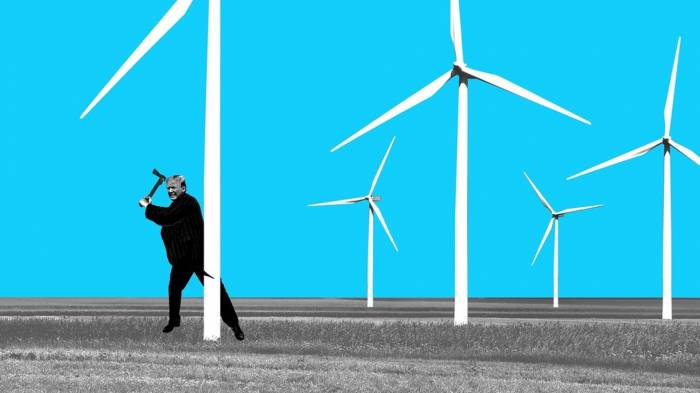
Donald Trump's potential return to the White House would have profound implications for climate and environmental policies in the United States and internationally. During his first term, over 125 U.S. environmental regulations and policies were rolled back, reshaping how the U.S. addressed climate change and environmental protection.
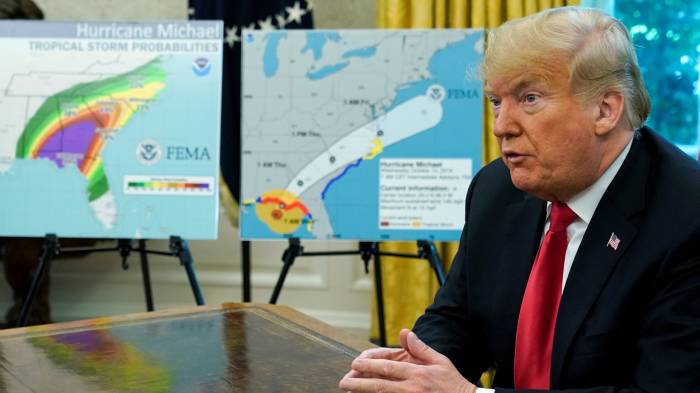
Beyond international relations, Trump’s administration made sweeping changes to domestic policies that hindered climate action. For instance, it weakened fuel efficiency standards for cars, loosened methane regulations, and altered the National Environmental Policy Act (NEPA) to reduce the emphasis on climate impact. These rollbacks directly impacted emissions levels and delayed progress toward cleaner air and energy sources in the U.S.
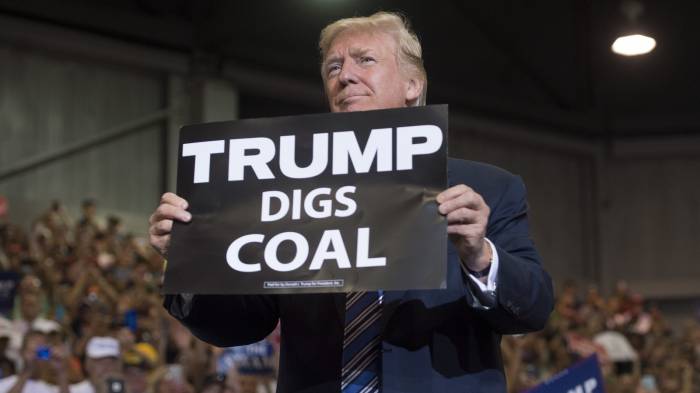
Trump’s administration was an outspoken supporter of the fossil fuel industry, actively promoting oil and gas extraction and coal mining. His approach included loosening restrictions on carbon emissions, cutting regulations affecting the fossil fuel sector, and reducing investment in renewable energy. For example, he replaced the Obama-era Clean Power Plan, which aimed to cut carbon emissions from power plants by 32% by 2030, with the much weaker Affordable Clean Energy (ACE) Rule. These actions not only slowed the U.S.'s transition to cleaner energy but also created incentives for fossil fuel industries to maintain or increase production.
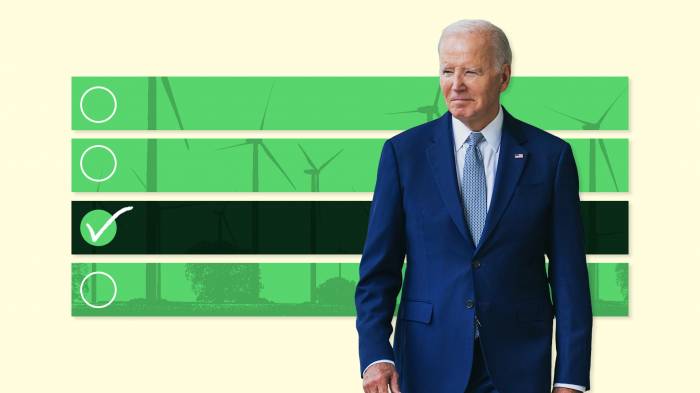
Such policies have lasting impacts. Though Biden’s administration has made efforts to reverse these rollbacks, the process is complex and lengthy. Many regulatory changes were tied up in legal battles, and the Trump-era policies still influence American climate policy today. A second Trump term would likely see a return to these pro-fossil fuel stances, potentially making it even harder for the U.S. to meet climate targets or support global climate agreements.
Despite Trump’s federal policies, many U.S. states, cities, and corporations have independently maintained or increased their climate commitments. California, for example, upheld stricter vehicle emissions standards, and many states have continued investing in renewable energy. Major corporations have also recognized the financial and reputational benefits of sustainable practices, leading to growing pressure for federal climate action, regardless of presidential policies.
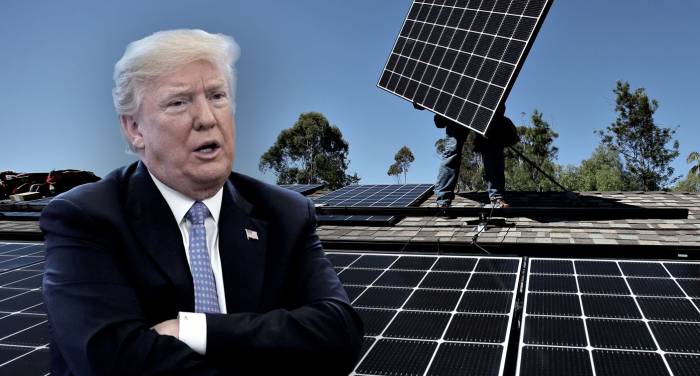
Even if Trump were re-elected, his administration could face pushback from these local governments, businesses, and climate advocates. The renewable energy sector has gained substantial momentum in recent years, and public awareness of climate risks is growing. This evolving landscape might temper some of Trump’s policies or prompt political compromise on certain climate issues.
If Trump returns to office, his stance on climate could impact the U.S.'s role in international climate negotiations, as well as relations with allies who prioritize climate action. European Union countries, for example, have integrated strict environmental standards into their trade policies and may hesitate to engage with a U.S. administration perceived as obstructing global climate progress. This could complicate trade agreements and weaken the U.S.'s global influence on environmental standards.
Moreover, a renewed retreat from climate action in the U.S. could shift the global climate balance, potentially slowing down international efforts and emboldening other countries to deprioritize their commitments. With the 2030 climate goals approaching, a lack of U.S. leadership might make it even more challenging to meet the targets necessary to limit global temperature rise.
If Donald Trump were to return to office, climate change would likely remain a low priority in federal policy, with continued emphasis on deregulation and support for the fossil fuel industry. However, the broader political and economic landscape, along with public opinion on climate, has evolved significantly. Trump’s policies may encounter resistance from state governments, corporate stakeholders, and international allies, creating a more complex scenario than during his first term.
In summary, a Trump re-election could slow U.S. progress toward climate goals and weaken global climate initiatives. The resulting policy shifts might influence not only domestic environmental quality but also the U.S.'s standing in global climate cooperation, affecting the international community’s ability to meet critical climate targets.
(If you possess specialized knowledge and wish to contribute, please reach out to us at opinions@news.az).


Similar news