Impromptu meeting with Trump: Is it Pashinyan’s plea from Macron?


.png)
@TASS
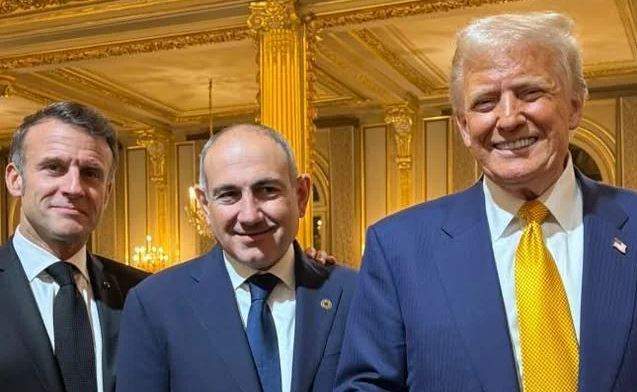
Armenia’s Prime Minister Nikol Pashinyan had an impromptu meeting with U.S. President-elect Donald Trump on December 8 in Paris during the opening ceremony of the restored Notre-Dame Cathedral . While there, Pashinyan also spoke with French President Emmanuel Macron. Pashinyan shared details of this meeting on his Facebook page, accompanied by a photo.
"During the opening ceremony of the Cathedral of Notre-Dame de Paris, I had a great opportunity to talk to U.S. President-elect Donald Trump and French President Emmanuel Macron," Pashinyan wrote.
News.Az sought opinions from political experts regarding this brief meeting between Trump and Pashinyan, which was reportedly mediated by Macron.
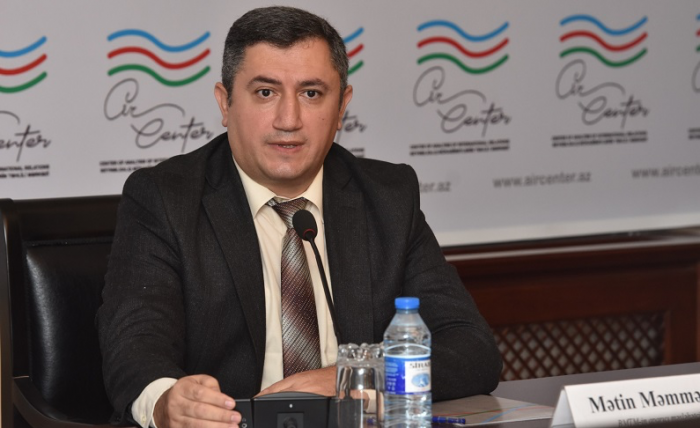
Matin Mammadli, a leading advisor at the Center of Analysis of International Relations (AIR Center) and a political scientist, told News.Az that U.S.-Azerbaijani relations during Donald Trump's first presidency were largely satisfactory for Azerbaijan.
“As is known, Armenian Prime Minister Nikol Pashinyan met with U.S. President-elect Donald Trump in Paris through the mediation of French President Emmanuel Macron. Notably, after Trump’s election victory, Pashinyan personally called to congratulate him. This suggests that the Armenian prime minister is eager to establish or deepen relations with Trump using various means. It also seems that Macron is playing an active role in facilitating this. Macron appears intent on fostering connections between Pashinyan and the incoming U.S. administration,” Mammadli explained.
Mammadli speculated that the leaders of Armenia and France might propose ideas or plans during such meetings that could be directed against Azerbaijan. However, he noted, “It’s difficult to predict Trump’s reaction to these potential proposals. Several factors must be considered, including the nature of U.S.-Azerbaijani relations during Trump’s first presidency. At that time, these relations were favorable, encompassing security, political, and energy cooperation. Importantly, during the 44-day Patriotic War, Trump did not adopt a stance harmful to Azerbaijan, despite lobbying efforts by Armenia. This sets a positive precedent for potentially deepening relations further during Trump’s second term.”
However, Mammadli also raised concerns about recent appointments made by Trump. “Some of Trump’s new appointees , such as the Secretary of State and the Director of National Intelligence, have a history of pro-Armenian positions. If they continue these stances while in office, it could affect U.S.-Azerbaijani relations,” he added.
Mammadli also highlighted challenges in recent years between Azerbaijan and the U.S. administration, largely due to biased U.S. approaches to post-conflict issues between Armenia and Azerbaijan. He warned, “If this trend persists during Trump’s presidency, it could lead to further cooling of relations. Such a scenario might create opportunities for other powers, such as Russia or Iran, to strengthen their influence in the South Caucasus. The U.S. must consider that ignoring Azerbaijan’s interests could ultimately benefit its rivals.”
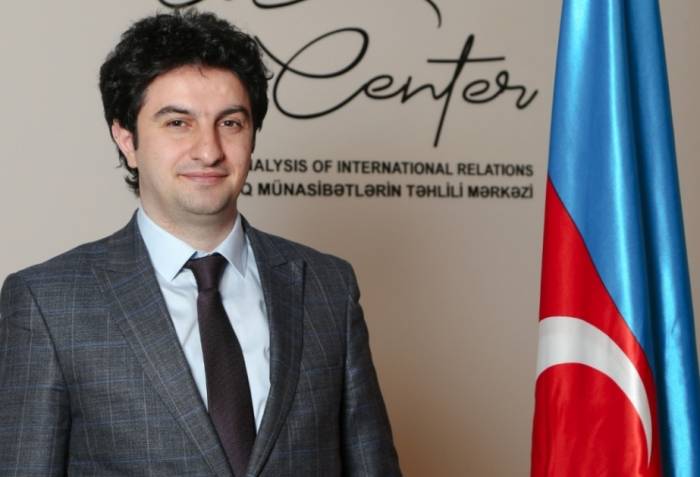
Dr. Vasif Huseynov, head of a department at the AIR Center , shared similar concerns and expectations. He noted that President Ilham Aliyev expressed optimism about Republican leadership during a media forum in Shusha earlier this year. “President Aliyev’s remarks suggest a belief that U.S.-Azerbaijani relations could return to a traditional level of friendship under Trump. The deterioration of these relations under Biden’s administration, influenced by pro-Armenian forces and the Armenian lobby, has not served the interests of either nation. Reintroducing Amendment 907 and imposing indirect sanctions on Azerbaijan significantly strained relations. Many expect Trump to correct these missteps,” Huseynov explained.
Regarding the impromptu meeting, Huseynov speculated that it may have been initiated by Pashinyan himself. “It is plausible that Pashinyan requested Macron’s help in arranging the meeting with Trump, even if it appeared impromptu. This should not necessarily be interpreted as a sign of a negative shift in Trump’s approach to Azerbaijan. Trump’s pragmatic foreign policy prioritizes geostrategic interests, and Azerbaijan’s regional importance will likely encourage him to normalize and strengthen bilateral relations. Given the current developments in the Middle East, improving U.S.-Azerbaijani relations would benefit both nations,” he concluded.


Similar news