India in Trump's crosshairs: Will New Delhi back down on Russian oil?


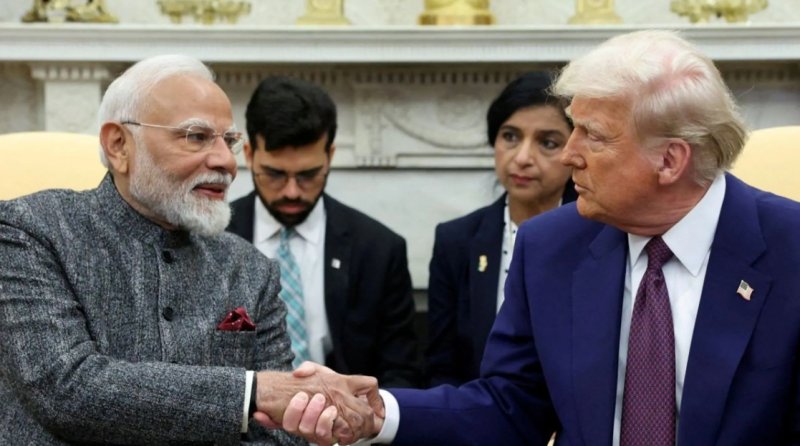
U.S. President Donald Trump has once again taken a combative stance — this time, with India in his crosshairs.
According to foreign media citing the White House press office, Trump announced a significant increase in tariffs on Indian goods due to India’s import and resale of Russian oil. He claimed that India purchases large volumes of oil from Russia and then resells it on the open market at a high profit margin. The new tariffs are intended as a response to this practice. Trump specifically emphasized that India is among the largest buyers of Russian energy resources, alongside China.
It’s worth noting that the U.S. had previously imposed 25% trade tariffs on Indian products.
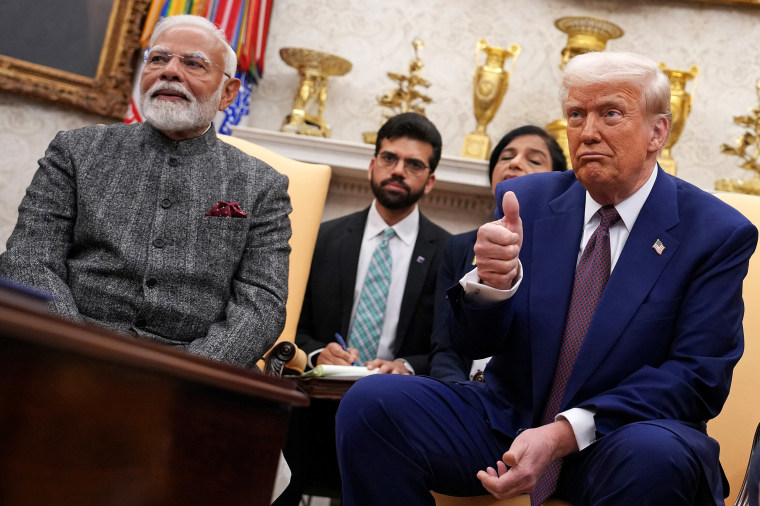
Although Washington and New Delhi are considered allies, India has increasingly leaned toward cooperation with the U.S. in light of its tensions with China — hoping for a strategic partnership against Beijing. Relations between the U.S. and China have been far from smooth, as demonstrated by a recent, albeit brief, but intense tariff war that ended with Washington backing down.
Despite the friendly rhetoric, experts point out that trade volume between the U.S. and India remains low — largely due to India’s high tariffs and non-tariff barriers.
Trump’s current grievances with India extend beyond oil. They also concern arms purchases from Russia. Furthermore, the White House believes India’s oil trade with Russia is indirectly financing the war in Ukraine.
India, however, appears unfazed by Trump’s threats. According to Times Now, the U.S. president’s warnings about higher tariffs are unlikely to affect Russia–India relations. The Indian Prime Minister’s National Security Advisor Ajit Doval is reportedly planning a visit to Moscow this week, and Foreign Minister Subrahmanyam Jaishankar is scheduled to travel to Russia at the end of August.
As BBC notes, India became the leading buyer of Russian oil after the West imposed sanctions on Russia over its invasion of Ukraine. While Western nations stopped buying Russian crude, they turned a blind eye to refined products derived from that oil entering the global market — as long as the profits didn’t go to the Kremlin, but to “friendly” countries like India. As experts warned, such half-measures — without a full embargo — failed to undercut Russia’s oil revenues or deprive it of funds to continue its aggression and occupation of Ukrainian territory.
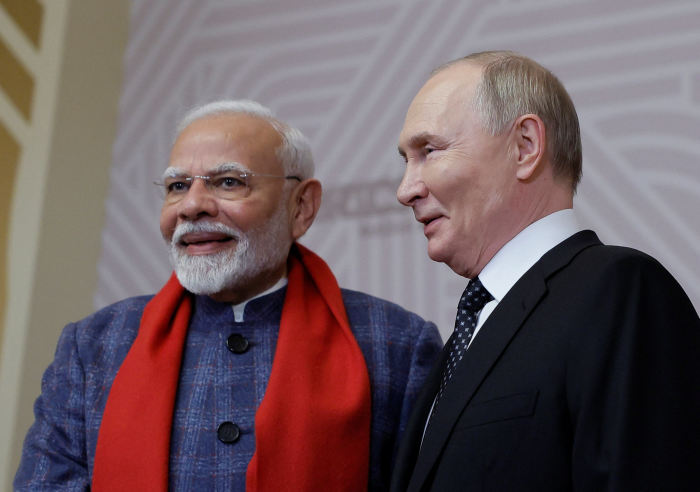
Observers say Trump has several reasons to go after India. Unlike the U.S.-China trade war, few consequences are expected for Washington. Yes, India is a major supplier of iPhones and software engineers to the U.S., but its broader economic leverage is limited. India simply has little with which to retaliate. On the other hand, political grievances against New Delhi are mounting: India is a member of BRICS, a bloc that irks Trump; it buys cheap oil and weapons from Russia; and it has imposed high tariffs on U.S. goods.
On Friday, Trump said he had “heard” that India was planning to stop buying Russian oil, which he praised as a positive move.
But by Saturday, The New York Times and Bloomberg had debunked those claims, reporting that India had no such intention. The rumors had originated the day before — from Trump himself. Apparently, Washington expected India to follow through, but when it didn’t, Trump announced the tariff hike on Monday.
India is one of the world’s largest importers and remains heavily reliant on foreign supplies. According to BBC, a potential target of U.S. sanctions could be the Vadinar oil refinery in Gujarat state — the country’s third-largest facility, owned by the private Indian company Nayara Energy. Russian oil giant Rosneft holds just under 50% of its shares. In July, the European Union had already sanctioned the refinery.
Notably, until recently, Donald Trump had opposed sanctions on Russian oil and refused to support the lowering of the oil price cap. But now, with OPEC+ deciding to boost global supply, the White House sees an opportunity to choke off Russian oil revenues. Higher prices also tend to spur domestic oil production — particularly in the U.S., where all energy companies are privately owned and operate independently.
India, for now, is putting on a brave face, hoping it can negotiate a truce with Trump — much like China eventually did. However, experts warn that the situation is complex, and if India is ultimately forced to stop importing Russian oil, it could face significant economic fallout.
According to NDTV Profit, such an outcome could cost India between $9 and $11 billion annually. Russian oil currently accounts for 35–45% of India’s total crude imports, helping the country cut energy costs and keep inflation under control. It also enables India to export refined petroleum products at a healthy profit. All of these advantages would be at risk.
Sumit Ritolia, an expert with international consultancy Kpler, described India’s situation as one of being “surrounded on all sides.” Despite efforts by some Indian companies to minimize the impact of a potential cut-off from Russian crude, the risks remain extremely high. Ritolia estimates that India’s annual import costs could rise by $9–11 billion.
Ultimately, a compromise with Washington appears elusive. And as it stands, whether agreeing with Trump — or defying him — would be the worse choice for India remains unclear.
By Tural Heybatov


Similar news