Iran between war and sanctions


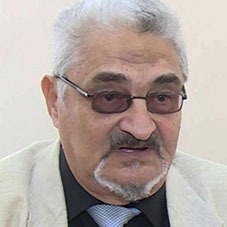
Editor's note: Moses Becker is a special commentator on political issues for News.Az, a PhD in political science and an expert on interethnic and interreligious relations. The article expresses the personal opinion of the author and may not coincide with the view of News.Az.
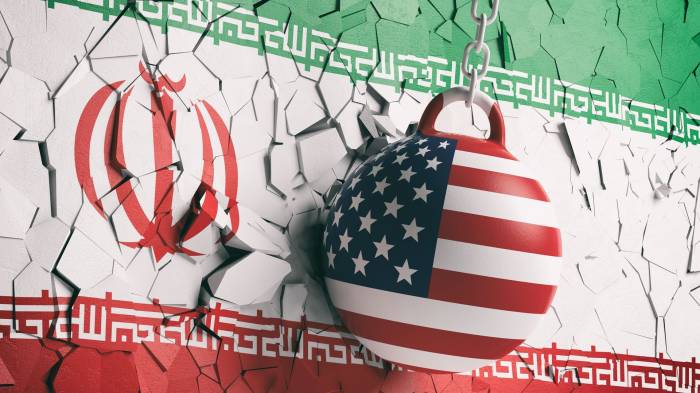
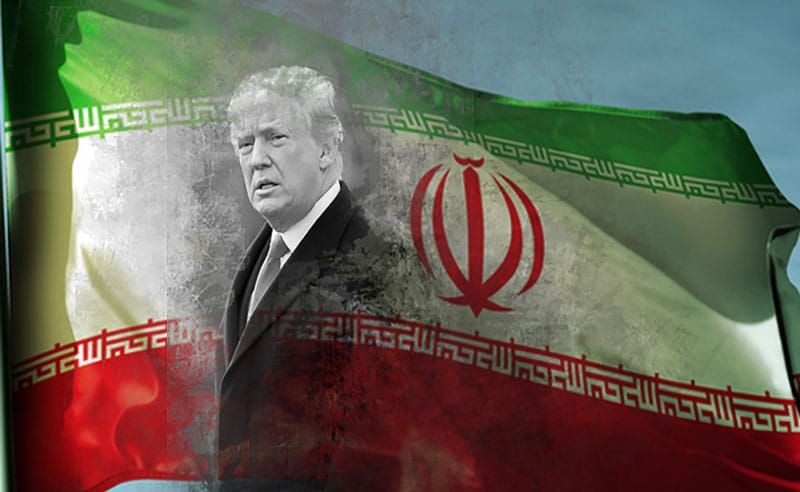
Supreme Leader of the Islamic Republic of Iran, Ali Khamenei, has declared that Iran must continue developing its military capabilities, including its missile program. This statement was made during the unveiling of a new ballistic missile with a range of 1,700 km. Western nations, alarmed by this development, accused the Islamic regime of destabilizing the Middle East. In response, U.S. President Donald Trump threatened Tehran with the use of force if it refused to engage in negotiations regarding its missile and nuclear programs. In an interview with the American press, the White House leader stated that he was prepared to bomb the Islamic Republic to prevent it from acquiring nuclear weapons, although he would prefer to strike a deal. Trump has reinstated his “maximum pressure” policy on Iran, aimed at reducing its export potential to zero. The ultimate goal is to push Tehran into an agreement that would dismantle its nuclear and missile programs.

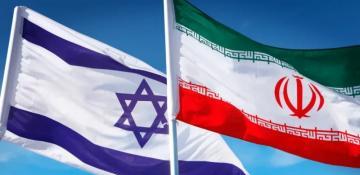
In turn, Iranian President Masoud Pezeshkian questioned the sincerity of the U.S. in its calls for negotiations with Tehran. Under growing external pressure, Iran has demonstrated a noticeable shift in its international stance. Official sources have stated that Ayatollah Khamenei never explicitly called for Israel’s destruction but merely predicted its eventual collapse. In recent weeks, Iran has toned down its harsh rhetoric in favor of more conciliatory statements. This change is linked to both domestic tensions and Tehran’s diminishing influence abroad, particularly in Lebanon and Syria, where billions of dollars have been invested. It appears that Iran has abandoned its previously declared plans for retaliation against Israel, which had been promised since October 2024, in an effort to avoid further escalation with the Trump administration.
Moreover, with new leadership in the White House, the risk of a large-scale Israeli strike on Iran’s nuclear and military infrastructure has increased significantly. U.S. intelligence believes that Israel could choose between two attack strategies: first, launching air-based ballistic missiles without violating Iranian airspace; or second, penetrating Iranian airspace with fighter jets armed with BLU-109 bunker-busting bombs. Both scenarios would require U.S. support for intelligence, surveillance, and in-flight refueling.
According to media reports, President Donald Trump is highly likely to support Israeli military action if Iran refuses to agree to a new nuclear and missile deal. For Tehran, this poses a painful dilemma, as the government has invested billions of dollars in centrifuge development and other nuclear infrastructure. Iran’s nuclear program has long been a cornerstone of its geopolitical strategy, bolstering its image as a regional powerhouse, intimidating neighboring states, and advancing the ideals of the Islamic Revolution. However, with the defeats of Hamas and Hezbollah and Iran’s waning influence in Syria, its nuclear ambitions remain one of the regime’s last strategic assets.
Recent events indicate a significant decline in Iran’s standing in the Middle East. In a telling development, Lebanon’s Civil Aviation Authority recently denied landing permission to a Mahan Air passenger plane at Beirut’s international airport. The aircraft, already in Syrian airspace, was forced to turn back to Iran due to Israeli pressure. Reports suggest that Israeli officials warned Beirut of potential military action, including the interception of the aircraft or an airstrike on the airport.
Israeli intelligence has identified Beirut’s airport as a crucial hub for smuggling operations allegedly orchestrated with Tehran’s backing. Israeli authorities argue that these activities pose a security threat to the region and violate ceasefire agreements. The Iranian side has yet to comment officially on the incident. Mahan Air, known for its close ties to the Islamic Revolutionary Guard Corps (IRGC), has suffered a severe reputational blow. If similar incidents continue, there is a high probability of the Islamist regime losing power and being replaced by a more pragmatic government.
Recently, President Trump approved the transfer of GBU-43/B bombs, known as MOAB (Massive Ordnance Air Blast), to Israel as part of an expanded military aid package. MOAB, one of the most powerful non-nuclear bombs in the world, is designed to destroy heavily fortified structures, underground facilities, and create devastating blast effects over large areas.
“We do not want anyone to impose sanctions against us,” stated Pezeshkian, adding, however, that “if the U.S. imposes sanctions, it does not mean we will be powerless. We will manage the country by relying on domestic resources.” Yet, Iran’s resources are not limitless. If its oil exports are blocked and access to essential goods and components is cut off, the economy could collapse. Even now, Iran is facing severe electricity shortages, rolling blackouts across industrial sectors, bankruptcies of small and medium-sized enterprises, rising unemployment, and growing poverty.

Anticipating an impending crisis, Pezeshkian has expressed Iran’s willingness to negotiate. He criticized Washington’s approach, arguing that while the U.S. claims to be open to dialogue, it simultaneously restricts Iranians' access to basic necessities. On February 6, the U.S. imposed a new round of sanctions against Iran. White House Press Secretary Caroline Levitt stated that President Trump is deeply concerned about Iran’s nuclear ambitions, an issue that Israeli lobbyists have actively influenced in Washington.
“The president has made it clear that he will never allow Iran to acquire nuclear capabilities. This is a red line he has drawn, and he will not allow it to be crossed.”
U.S. Secretary of State Mark Rubio, during his visit to Israel, described Iran as “a common denominator in all aggressive challenges.” He labeled Iran “the single greatest source of instability in the region.”
“Behind every terrorist group, every act of violence, every destabilizing activity, and every threat to the peace and stability of millions who call this region home, stands Iran,” Rubio emphasized.
The White House strategy appears to be to weaken Iran through crippling sanctions, incite widespread public protests, turn the country’s powerful merchants against the regime, and then deliver a decisive blow. However, the ayatollahs are unlikely to abandon their regional ambitions and nuclear program without a fight, as their hold on power depends on them.
(If you possess specialized knowledge and wish to contribute, please reach out to us at opinions@news.az).


Similar news