Israel and Türkiye: Key players in shaping Syria's future - Gerald Steinberg


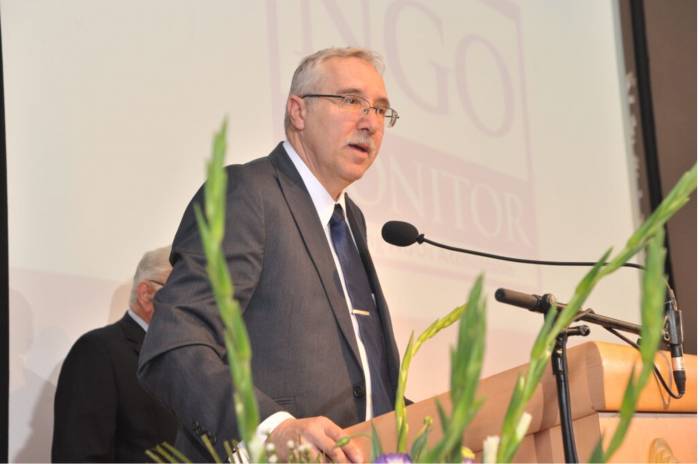
Photo source: thegivingreview.com
The situation in the Middle East is evolving rapidly. Following the collapse of Bashar al-Assad's government in Syria, this multiethnic and multireligious state—more specifically, its regime—has swiftly shifted its development trajectory from a pro-Iranian to a pro-Turkish orientation. Political experts continue to speculate on how events in the region might unfold.
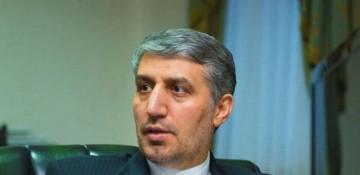
In an exclusive interview with News.Az, Israeli expert Gerald M. Steinberg emphasized that Syria's future largely hinges on the relationship between Jerusalem and Ankara.“Israel and Türkiye are the two strong military powers in the region and will play a decisive role in shaping future developments. The future of Syria also depends on the links between Jerusalem and Ankara. In recent years, this relationship has been increasingly conflictual as Erdogan sought to capitalize on Israel's regional isolation over Gaza. However, following major Israeli military successes—including in Lebanon and against Iran, which created the conditions necessary for Assad's defeat—Türkiye and Israel now share common interests and need each other to ensure stability along their respective borders with Syria.
Therefore, greater cooperation is likely to emerge, perhaps initially with limited visibility,” the expert stated.
Mr. Steinberg also addressed one of the primary objectives of Türkiye’s government in safeguarding its national security.
“In Syria, Türkiye wields significant influence through Mohammed al-Jawlani, the leader of the dominant Hay'at Tahrir al-Sham (HTS) forces, previously known as the Nusra Front, which was a branch of al-Qaeda. Erdogan and Türkiye aim to support HTS in consolidating control over Syria, disarming other militias, as well as Kurdish forces.”
However, Steinberg highlighted a critical concern: “One of the central questions is whether al-Jawlani and HTS will continue as a unifying moderate force or revert to the radical Islamist agenda of al-Qaeda and ISIS,” he warned.
The expert also described measures taken by Israeli military forces to counter the potential resurgence of radical Islamism and prevent their strengthening.
“As a precaution, the Israeli military has destroyed or captured major weapons held by Assad's forces and deployed troops to strategic areas near the border,” Steinberg noted.
According to Steinberg, the regional dynamics have opened another potential pathway: “This is the expansion of cooperative relationships between Israel and Sunni countries, particularly Saudi Arabia. Crown Prince Mohammed bin Salman has expressed interest in joining the Abraham Accords, initially supported by the Trump Administration. These accords normalized relations between Israel and the UAE, Bahrain, and Morocco, fostering economic cooperation and an informal security alliance to counter Iranian influence.”
He also highlighted the significant impact of Assad’s fall on Israel.
“Iran and its Hezbollah proxy army in Lebanon are severely weakened. The ‘Shi'ite arc,’ built by the Tehran regime through Iraq, Syria, and Lebanon to deter and attack Israel, has been largely dismantled, including the Assad regime in Syria,” Steinberg said.
Moreover, Steinberg pointed out that these developments have significantly undermined Russia’s strategic position in the region.
“Russia is in retreat, losing naval and air bases in Latakia and other parts of Syria, which were strategically vital as warm water ports in the Mediterranean. This retreat also benefits Ukraine and the NATO alliance,” he observed.
Finally, Mr. Steinberg underscored that Azerbaijan, which maintains strong relations with Türkiye, Israel, and other major players, stands to benefit from enhanced regional cooperation and stability.


Similar news