Israel-Gaza war: A seven-day chronology of developments


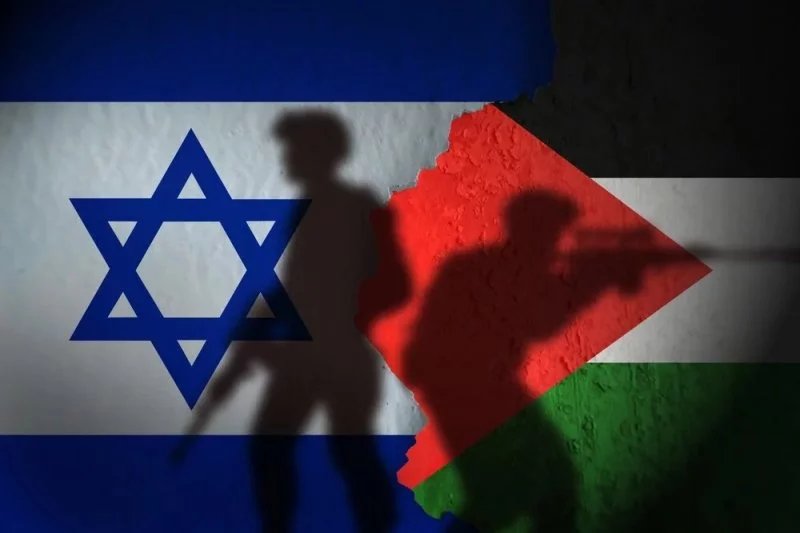
Over the past seven days, the war between Israel and armed groups in Gaza Strip has remained intense, marked by continued military operations, deepening humanitarian strain, and renewed diplomatic activity focused on ceasefire arrangements and hostage related negotiations, News.az reports.
January 24, 2026
The week began with renewed Israeli military operations across the Gaza Strip following several days of heightened tension. The Israeli Defense Forces intensified air and artillery strikes targeting what were described as command centers, weapons storage sites, and tunnel infrastructure linked to Hamas.
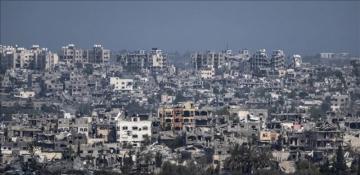
In northern Gaza, heavy bombardment was reported near densely populated districts that had already suffered extensive destruction earlier in the war. Palestinian medical officials said hospitals were operating beyond capacity, struggling with shortages of fuel, medical supplies, and staff.
Israel reiterated that its operations were aimed at degrading Hamas’s remaining military capabilities and preventing cross border attacks. Hamas, meanwhile, accused Israel of collective punishment and warned that continued strikes would escalate regional instability.
Diplomatic efforts to revive a ceasefire remained stalled, with mediators unable to bridge gaps over hostages, prisoner releases, and the scope of a potential truce.
January 25, 2026
Israeli ground forces expanded operations in central Gaza, with armored units advancing into areas previously subject mainly to air strikes. Intense clashes were reported as Palestinian fighters used improvised explosive devices and anti tank weapons in narrow urban streets.
At the same time, Israeli air strikes continued in southern Gaza, including around Rafah. Civilians attempting to move between areas faced significant risks, as evacuation routes were repeatedly disrupted by fighting.
Humanitarian agencies warned that the food situation was deteriorating rapidly. Bread shortages were reported in several districts, and clean water access remained critically limited. Aid convoys entering Gaza were described as insufficient to meet the scale of need.
Israeli officials said they were coordinating limited humanitarian pauses to allow aid delivery, but stressed that these pauses would not affect the broader military campaign.
January 26, 2026
Rocket fire from Gaza resumed, with several projectiles launched toward southern Israel. Most were intercepted, while others landed in open areas. No major casualties were reported, but air raid sirens triggered disruptions in nearby Israeli towns.
In response, Israel conducted a wave of retaliatory strikes overnight, targeting what it said were launch sites and militant positions. The bombardment caused further damage to already devastated neighborhoods.
International attention focused on the humanitarian toll. United Nations officials again warned that Gaza was approaching a catastrophic threshold, citing malnutrition risks, the spread of disease, and the collapse of sanitation systems.
Despite growing international pressure, Israeli leaders emphasized that halting operations without dismantling Hamas would leave Israel vulnerable to future attacks.
January 27, 2026
A particularly deadly day for civilians unfolded as strikes hit residential areas in both northern and central Gaza. Local health authorities reported dozens of casualties, including women and children.
Hospitals struggled to cope as electricity outages worsened. Backup generators faced fuel shortages, forcing doctors to prioritize emergency procedures. Several clinics reportedly ceased operations entirely.
Israel acknowledged conducting strikes in populated areas but said militants were operating from within civilian infrastructure, using homes and public buildings as cover.
Meanwhile, diplomatic contacts intensified behind the scenes. Mediators explored a limited ceasefire framework linked to humanitarian access and a phased exchange involving Israeli hostages and Palestinian detainees. However, public statements suggested that major disagreements remained unresolved.
January 28, 2026
Fighting shifted again toward northern Gaza, where Israeli forces sought to re enter areas previously cleared earlier in the conflict. Military officials said Hamas units had reemerged in these zones, prompting renewed operations.
Urban combat intensified, marked by close range fighting and heavy use of drones for reconnaissance and targeting. Analysts noted that the war had increasingly become a battle of attrition, with neither side achieving decisive breakthroughs.
In Israel, political debate grew louder. Families of hostages urged the government to prioritize negotiations, while others supported continued military pressure as the only path to long term security.
Regional tensions also simmered, with warnings that prolonged fighting in Gaza risked drawing in other actors, even as no major escalation beyond Gaza was reported during the day.
January 29, 2026
Attention turned again to Rafah, where Israeli strikes were reported near areas sheltering large numbers of displaced Palestinians. Aid organizations warned that further escalation in the south could trigger a mass humanitarian disaster, as Rafah had become a last refuge for many civilians.
Israel stated that it was targeting specific militant assets and that evacuation advisories were being issued. However, movement options for civilians remained extremely limited.
Hamas claimed responsibility for several attacks against Israeli forces inside Gaza, portraying them as proof of continued resistance. Israel countered that Hamas’s capabilities had been significantly degraded, though not eliminated.
Diplomatic sources indicated renewed efforts by regional mediators to broker a short term humanitarian pause, but no agreement was announced.
January 30, 2026
The week ended with continued Israeli strikes across Gaza and sporadic rocket fire toward Israel. While the overall intensity of fighting fluctuated, no clear de escalation was visible.
Humanitarian conditions dominated international discussion. Warnings grew sharper about famine risks, particularly among children, as food supplies remained scarce and distribution systems collapsed.
Israel reaffirmed its war objectives, stating that operations would continue until Hamas was no longer able to govern or conduct military attacks. Hamas, for its part, rejected Israeli conditions and framed the conflict as an open ended struggle.
Calls for an immediate ceasefire grew louder globally, but positions on the ground remained entrenched.
Outlook
Over the past seven days, the Israel–Gaza war has remained locked in a cycle of military escalation, humanitarian deterioration, and inconclusive diplomacy. Israeli forces have continued a multifaceted campaign combining air strikes and ground operations, while Hamas has sustained resistance through rockets and urban warfare.
As civilian suffering deepens and diplomatic efforts struggle to gain traction, the conflict shows few signs of imminent resolution. The coming days are likely to hinge on whether mediators can translate humanitarian urgency into a temporary pause or whether military logic will continue to dominate events in Gaza and Israel alike.
By Faig Mahmudov


Similar news