Madagascar: Anti-French anger fuels deepening political crisis


.png)
Editor’s note: Faig Mahmudov is a journalist based in Azerbaijan. The views expressed are the author’s own and do not necessarily reflect those of News.Az.
Madagascar is facing a deep political crisis that has evolved into a nationwide movement against both the government and France, its former colonial ruler. The events unfolding in Madagascar are not merely a political crisis — they represent a renewed confrontation with France’s historical role and lingering post-colonial influence.
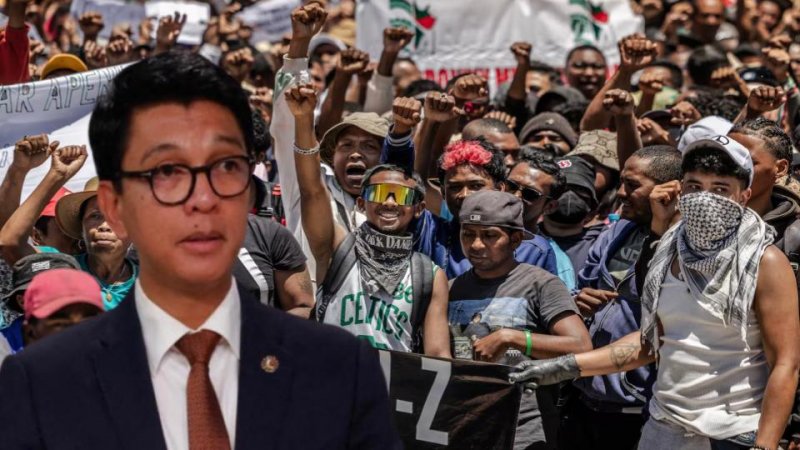
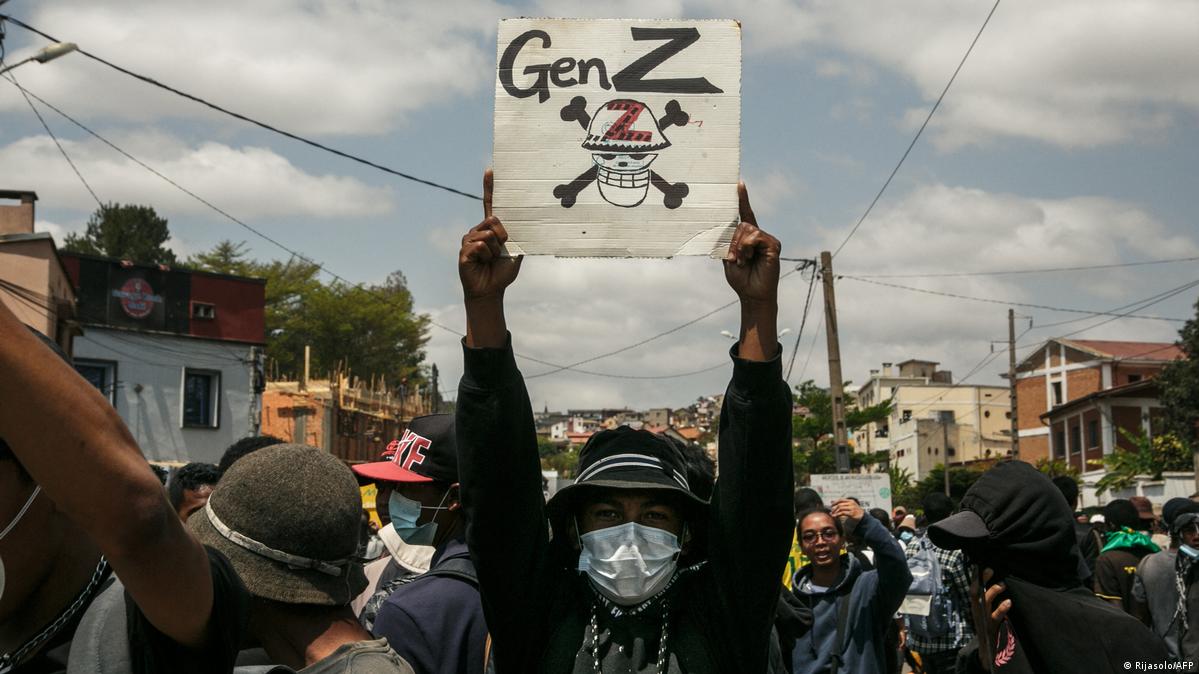
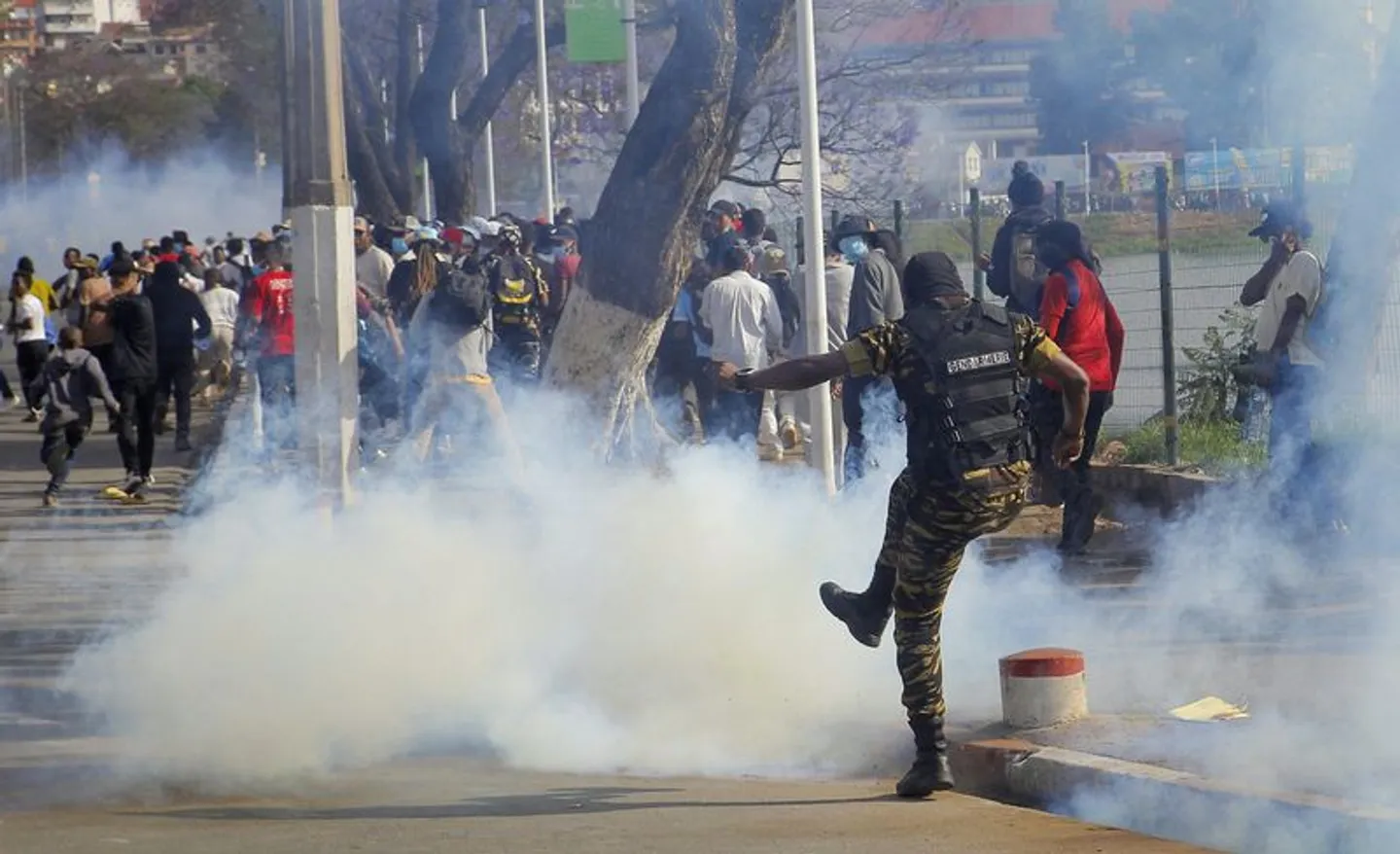
In recent weeks, mass protests, led largely by young people, have spread across the country. The demonstrations were initially triggered by anger over persistent water and electricity shortages but quickly escalated into a broader revolt against corruption, poor governance, and foreign interference.
The crisis came to a head when President Andry Rajoelina fled the country amid a military revolt. Reports indicate that he departed aboard a French military transport plane after being flown to the aircraft by helicopter. His departure prompted the National Assembly to impeach him for “desertion of duty.” In the days that followed, Colonel Michael Randrianirina emerged as the new leader. On October 14, the Constitutional Court invited him to assume the presidency, and the military took control, dissolving most political institutions except the National Assembly. The African Union responded by suspending Madagascar’s membership over the unconstitutional change of power.
Source: Reuters
Anti-French sentiment has intensified sharply during the unrest. Protesters have marched through Antananarivo carrying banners reading “France out” and “Rajoelina and Macron out,” accusing Paris of meddling in Madagascar’s internal affairs. For many Malagasy, France’s role in Rajoelina’s flight confirmed long-held suspicions of continued French influence over the country’s politics.
France ruled Madagascar from 1896 until 1960, a period marked by exploitation and violent repression. The brutal suppression of the 1947 Malagasy uprising, which left tens of thousands dead, remains a painful memory. Even after independence, France maintained strong economic, political, and military ties with Madagascar. French companies dominate key sectors such as mining, banking, and telecommunications, and military cooperation agreements remain in place.

Source: The Economicst
Critics say this enduring presence amounts to neo-colonialism. The use of a French aircraft to evacuate the president reinforced the perception that Paris still acts as a guardian power, protecting leaders it supports and influencing political outcomes behind the scenes. For many Malagasy, France’s calls for a return to constitutional order ring hollow when its own strategic and economic interests remain deeply embedded in the country’s institutions.
This crisis has brought long-standing historical grievances to the surface. While France recently returned several colonial-era human remains to Madagascar and held symbolic ceremonies, such gestures are seen as insufficient compared to the scale of exploitation and control that persists. The dispute over the Îles Éparses, islands still controlled by France, further fuels resentment.
Source: TRT Africa
The situation in Madagascar reflects a broader trend across former French colonies in Africa. Similar anti-French movements have erupted in Mali, Burkina Faso, and Niger, where populations accuse Paris of maintaining control through military and economic means. In Madagascar’s case, protests that began over basic services have evolved into a direct challenge to France’s lingering influence.
The crisis now represents more than a power struggle — it is a national reckoning with colonial history and neo-colonial structures. Many Malagasy see this moment as an opportunity to break free from both corrupt domestic elites and foreign powers that have shaped the country’s fate for more than a century. France, meanwhile, faces mounting criticism for failing to truly decolonize its relationship with Madagascar and other African states, relying on old networks and privileges instead of building equal partnerships.
(If you possess specialized knowledge and wish to contribute, please reach out to us at opinions@news.az).


Similar news