Michel Barnier: The path to power through the Karabakh scandal


By Samir Muradov
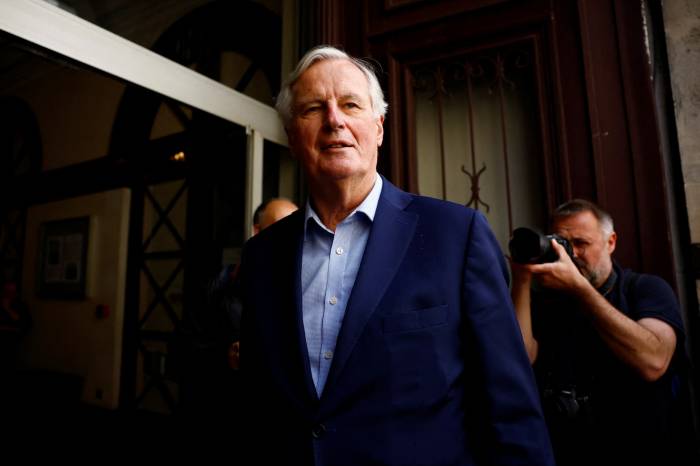
Michel Barnier, the newly appointed Prime Minister of France , is a figure well-known not only for his political experience but also for his provocative actions towards Azerbaijan. In December 2021, he made an illegal visit to the temporarily occupied territories of Azerbaijan, traveling to Karabakh with Valérie Pécresse, who at the time was a French presidential candidate and later became the President of the Île-de-France Regional Council. This visit was not just an “introductory tour”; it was clearly aimed at drawing attention to the Armenian issue during Pécresse’s presidential campaign and became yet another example of French politicians using the Karabakh conflict as a tool for domestic politics.
This event once again demonstrated how French politicians exploit conflicts in the post-Soviet space for selfish gain. However, Pécresse’s ambitions did not bear fruit. Despite all her rhetoric supporting the Armenian population and calls for sanctions against Azerbaijan, she failed to make it into the top three in the presidential race. Nevertheless, this episode highlighted France’s disregard for the real processes unfolding in the region and its willingness to prioritize short-term political gains.
Barnier, for his part, did not fade into the background after the visit. His rise to the position of Prime Minister of France shows how far French politics is willing to go in disregarding international norms in favor of domestic stability. However, Baku does not forget such actions. Azerbaijan’s Foreign Minister Jeyhun Bayramov made it clear at the time that anyone who does not respect the country’s territorial integrity would be added to the list of undesirable persons. Barnier, like Pécresse, found himself on that list, and his current position is unlikely to alter that fact.
As for France, its position on Karabakh has remained consistent for years: Paris has steadfastly supported the Armenian side, ignoring real changes on the ground. Just weeks after the conclusion of the Second Karabakh War and the signing of the Trilateral Agreement on November 10, 2020, the French Senate passed a resolution urging the government to recognize the “independence of Artsakh.” This resolution, which had no legal force, was a blatant political gesture aimed at domestic audiences. And where is that resolution now? It can only be found in the archives, having had no practical significance then or now.
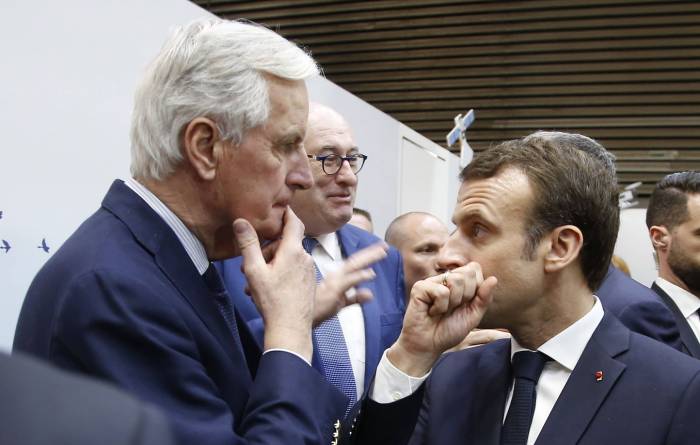
Azerbaijan, by contrast, has successfully restored its territorial integrity, and no attempts by Paris—whether statements by President Emmanuel Macron or the spread of false narratives by Armenian propaganda—could prevent this. All these actions by the French political elite have proven fruitless, as have the visits by various mayors and politicians to separatists in an effort to strengthen ties with the Armenian diaspora. The new French Prime Minister is yet another symbol of this futility.
Interestingly, France itself has undergone a dramatic transformation in recent years. The political arena, once home to globally significant figures, has become a stage for minor politicians who lack the influence to shape international affairs. Today's France is dominated by political Lilliputians, each clinging to outdated strategies and symbolic actions such as trips to Karabakh or supporting fictional republics.
However, Azerbaijan, despite these provocations, continues to solidify its standing on the international stage. The country is confidently advancing its agenda and building strong diplomatic relations with key global players. Baku is integrating the region into global economic processes and preparing to host major international forums, undeterred by French politicians’ attempts to undermine these achievements.
France, burdened by its colonial mindset and its efforts to meddle in the affairs of other nations, has lost its place in global affairs. Its diplomats and politicians continue to cling to outdated tactics, supporting separatists and relying on the influence of the Armenian diaspora. But these efforts are destined to fail, as real changes in the region have already occurred, and visits by French officials to Karabakh will not alter that reality.
So, Mr. Barnier, you can forget not only about Khankendi but also about Baku. Your position in Paris does not entitle you to ignore Azerbaijan’s sovereignty, and your career in French politics will not make you a welcome guest in the Caucasus. Azerbaijan remains resolute—it is restoring its territorial integrity and will not tolerate provocations from Paris or anyone else.


Similar news