Nikol Pashinyan's major misstep: Why did Armenia skip COP29?


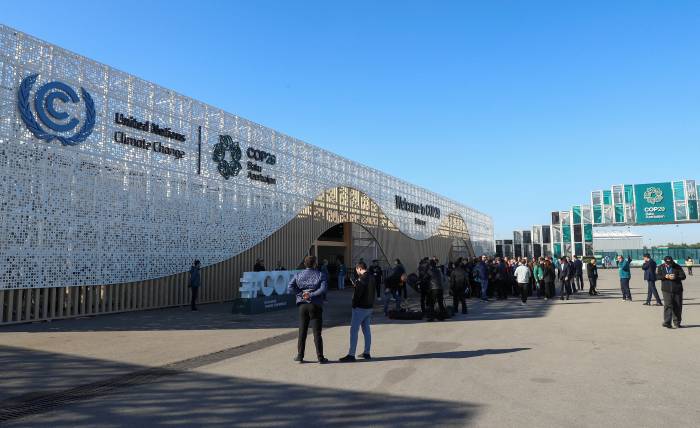
A view shows the venue of the United Nations climate change conference, known as COP29, during a media tour ahead of the summit beginning in Baku, Azerbaijan November 8, 2024. REUTERS/Aziz Karimov
By Tural Heybatov
In the end, Armenia decided not to send any representatives to COP29 in Baku. Some had hoped that Yerevan would take a pragmatic approach, choosing to do what would be the most rational step under current circumstances: attending the climate conference in Baku.
In Yerevan, it was framed as though Armenia would be doing Baku a tremendous favor by participating in COP29, as if Azerbaijan were eagerly awaiting their arrival. However, the reality is quite the opposite. In fact, the invitation extended to Yerevan for COP29 was itself a gesture of goodwill—a response to Armenia’s constructive participation in COP28 and its respect for Azerbaijan’s successful bid to host the 2024 conference. That goodwill, however, only went so far, and there were no further concessions expected, such as an early signing of a peace treaty.What Yerevan truly wanted was to leverage its attendance at COP29 to push for the signing of an incomplete document, essentially using the prospect of its participation as a bargaining tool. Apparently, someone in Armenia’s leadership believed that Azerbaijan was so eager to host Pashinyan or Mirzoyan in Baku that it would agree to such a compromise.
As Armenian Deputy Foreign Minister Vahan Kostanyan recently stated in parliament, “Armenia’s participation in the UN Climate Change Conference (COP29) in Azerbaijan depends on the progress of negotiations between Yerevan and Baku. Once we make a final decision, we will notify whether we will participate and at what level.” Ironically, this sentiment echoes from Yerevan even today, as COP29 is already underway, with leaders from dozens of countries gathered in Baku.
At least Yerevan has acknowledged receiving the invitation. Armenia registered for participation, and a nameplate with its country name was even placed in the plenary hall at COP29. Nevertheless, Armenia’s representatives did not appear—perhaps they were not granted permission by their new political patrons.
“Why isn’t Armenia present?” foreign journalists asked the Azerbaijani delegation. Answering this question, Hikmet Hajiyev, Assistant to the President of Azerbaijan, emphasized that Azerbaijan’s primary focus this November is COP29, and starting in December, a new phase in the Armenia-Azerbaijan peace process is expected to begin, with negotiations over the draft peace agreement continuing. The Armenian side missed the deadline to respond to Azerbaijan’s latest proposals, which has caused delays.
"The Armenian side was invited as a participant and could have taken part in the conference as a member nation. Ultimately, it was Armenia’s decision not to attend. Azerbaijan, as a member of the convention, fulfilled all its obligations and created the conditions necessary for productive discussions for all countries involved. Meanwhile, Armenia and its allies are actively engaged in a propaganda campaign against Azerbaijan,” Hajiyev stated.
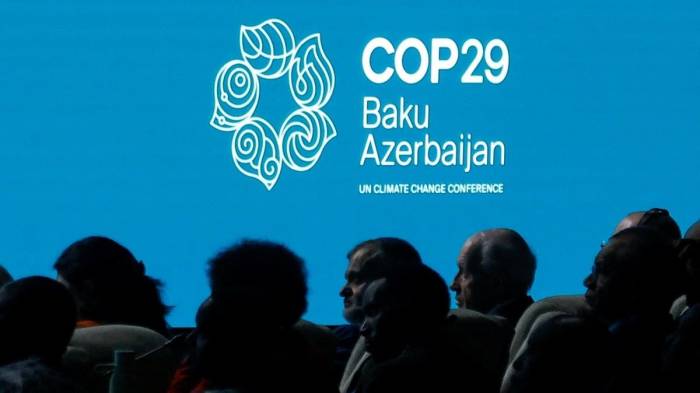
People attend the United Nations climate change conference COP29 opening in Baku, Azerbaijan November 11, 2024. (Reuters)
At COP29, 72,000 participants from 196 countries registered, including 80 presidents, vice-presidents, and prime ministers. Among them could have been Nikol Pashinyan.
Azerbaijan’s Foreign Minister Jeyhun Bayramov described Armenia’s decision not to attend COP29 as a missed opportunity. Indeed, Armenia missed a chance to engage with the international agenda, to present itself as an active member of the global community, and to demonstrate sincerity in its calls for peace and neighborly relations. A country that fervently claims to aspire to peace would have made the most of this unique opportunity to make strides towards dialogue and eased tensions. Although COP is not a platform for political discourse or peace treaties, informal discussions in the corridors might have allowed for finding common ground.
By refusing to attend COP29, Armenia revealed its reliance on external influence. It is known that the President of France also decided against attending COP29, and, lacking this political ally’s support, Pashinyan apparently did not dare to act independently. Many believed that he had already planned to visit Baku once COP29 was confirmed in Dubai. However, Yerevan was likely “prohibited” from breaking ranks with the pro-Armenian bloc that chose not to attend COP29, and any attendance by Pashinyan would have undermined their stance.
Initially, Armenia conditioned its participation on signing a preliminary peace agreement, and some foreign powers supported this demand. However, it was a significant mistake to base its attendance on such a rigid stance. Armenia should have chosen a condition that allowed room for flexibility. From the outset, Baku made it clear that an unfinalized document would not be signed.
Indeed, politics is an intricate art, and it seems that in over thirty years of independence, Armenia has yet to develop a political figure capable of mastering it.


Similar news