Old tensions: How today’s Thailand–Cambodia clash should alarm the entire region


.png)
Faig Mahmudov is a journalist based in Azerbaijan. The views expressed in this article are his own and do not necessarily reflect those of News.Az.
The renewed tensions between Thailand and Cambodia, intensified by today’s clash along the border, are a sobering reminder that unresolved disputes can destabilize the region even during periods of relative calm. Although the incident was contained quickly and did not escalate, its symbolic significance runs much deeper.
It exposes vulnerabilities in military coordination, political signaling, and public communication. More importantly, it demonstrates that despite decades of dialogue, the border between the two countries remains a fragile frontier where misunderstandings can turn into confrontations almost overnight.
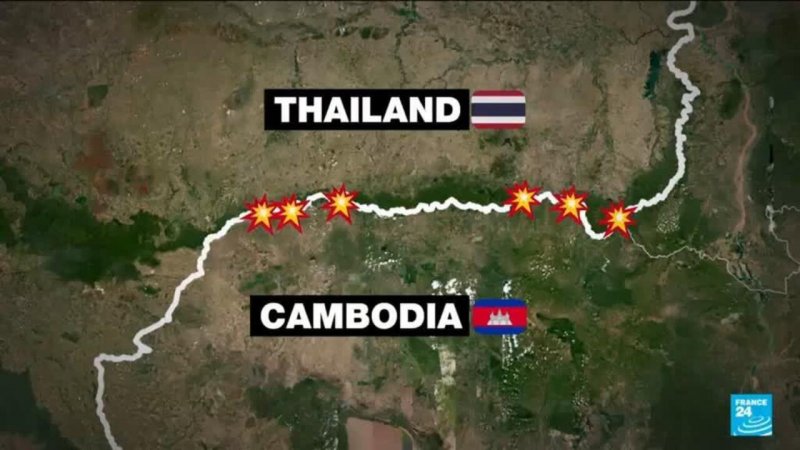
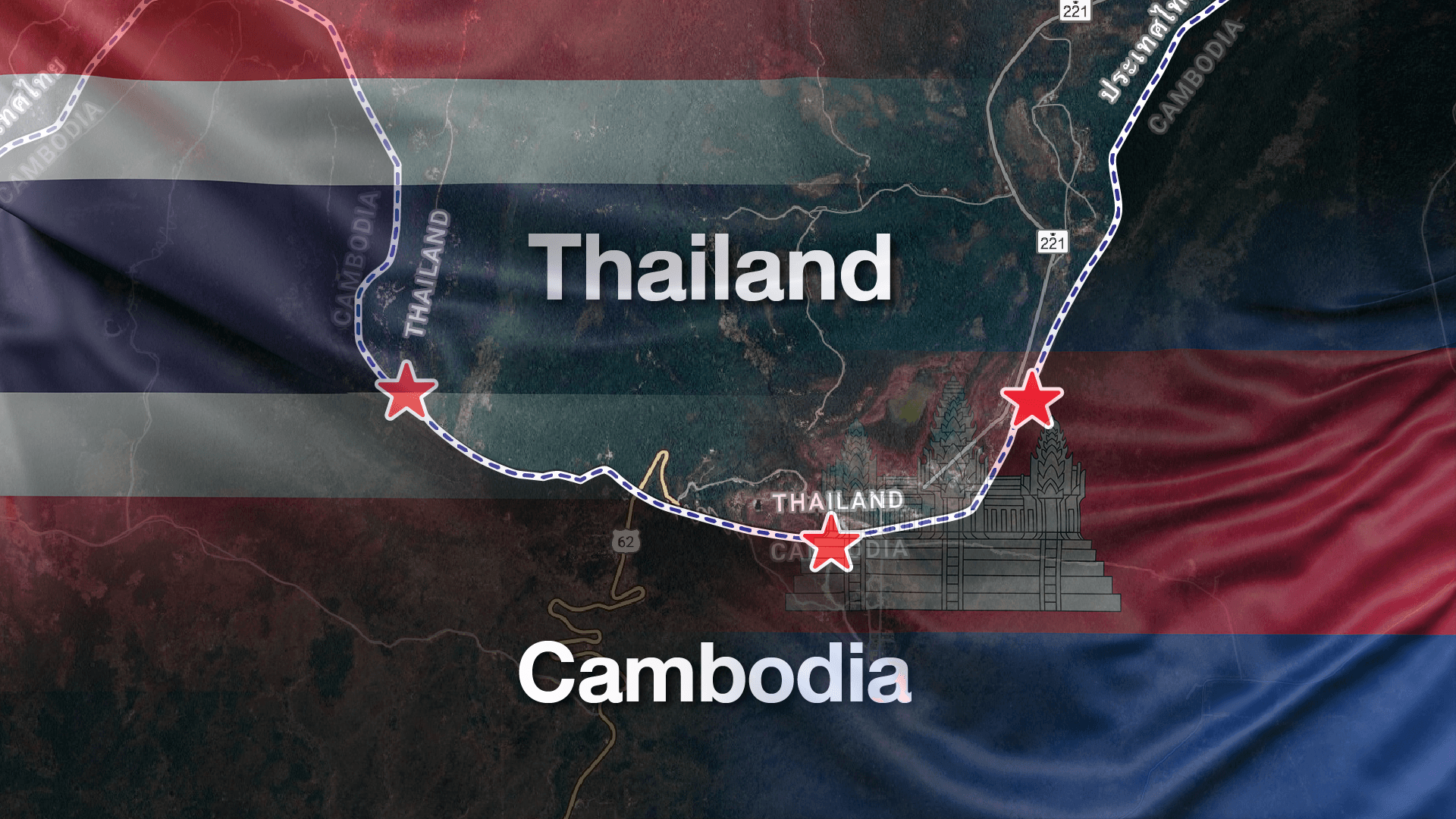
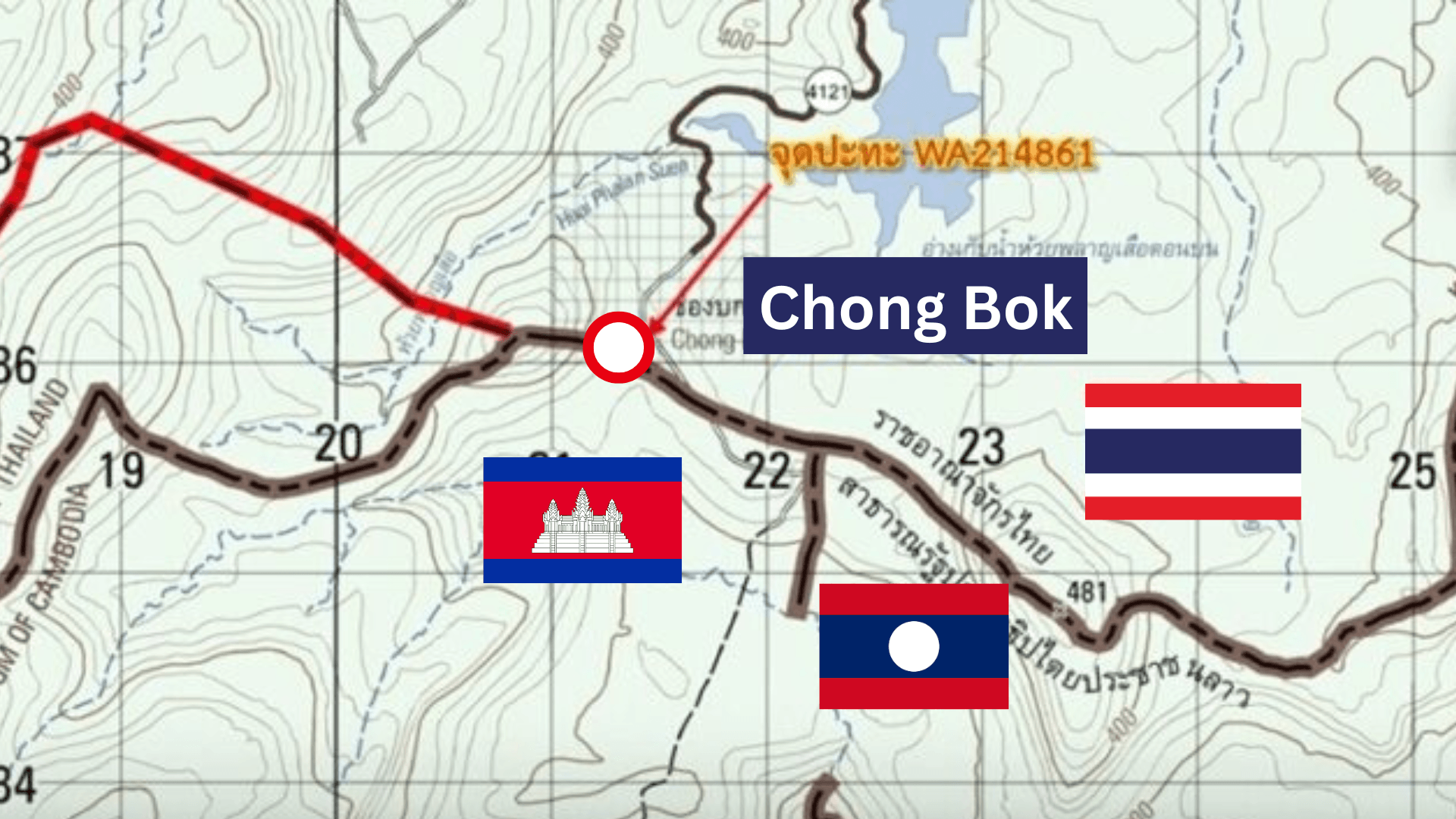
The Thailand–Cambodia border is not merely a geographic separation; it is a historical wound. Lingering disagreements stem from colonial-era maps drawn by French authorities during their rule over Cambodia. Thailand and Cambodia have debated the legitimacy of these documents for more than a century. In areas where demarcation is incomplete, each side relies on interpretations that reinforce its own narrative of ownership.
Source: Xinhua
The famous dispute over the Preah Vihear Temple exemplifies this broader problem. Although the International Court of Justice ruled in favor of Cambodia in 1962 and again in 2013 regarding the surrounding territory, nationalist groups in Thailand have never fully accepted the outcome.
Meanwhile, Cambodian nationalism is shaped by memories of foreign domination, making territorial integrity a deeply emotional issue. Border incidents are therefore rarely treated as isolated technical matters; they become a canvas for political actors to project narratives of sovereignty, betrayal, or strength. Today’s clash fits this pattern.
Reports indicate the confrontation erupted after a disagreement over patrol routes and the placement of temporary markers. What may have been a routine border inspection quickly escalated when troops from both sides encountered each other in an area where each military believes it has rightful presence.

Source: assets.nst.com
No large-scale casualties or major engagements were reported. However, the exchange of shots — even if only warning shots or accidental fire — triggers political shockwaves. Publics immediately interpret the incident through the lens of national pride, and politicians, especially in times of domestic uncertainty, are pressured to respond firmly. Social media amplifies rumors beyond the facts, creating an environment ripe for escalation. Today’s seemingly minor clash matters precisely because it exposes how thin the line is between peace and miscalculation.
Domestic political pressures also shape the situation. Thailand is navigating a complex landscape of shifting alliances, public dissatisfaction, and institutional debates. Any suggestion that the government is weak on national security is weaponized by critics, compelling leaders to adopt tougher rhetoric even if they privately prefer diplomacy.
Cambodia faces a different but equally sensitive context. Hun Manet’s administration is establishing its political identity after the long tenure of Hun Sen. The new leadership must demonstrate its ability to defend Cambodia’s interests, making retreat or compromise on border issues politically risky. Nationalist sentiment intensifies when sovereignty is perceived to be under threat. The timing of today’s clash, amid delicate political periods in both countries, adds further complexity.
Source: Thaipbs
Despite these pressures, the fundamental reality remains: neither Thailand nor Cambodia benefits from escalation. Their economies are deeply interconnected, making confrontation irrational. Thailand relies heavily on Cambodian migrant workers in construction, agriculture, fishing, manufacturing, and domestic services. Cambodia depends on Thai investment, trade routes, and tourism revenue. Cross-border markets provide livelihoods for thousands of families.
A militarized border threatens all of this. Even short-term disruptions can have lasting consequences. Past tensions have caused migrant workers to flee Thailand en masse, creating labor shortages and economic losses. Cambodia faces similar difficulties when crossings are closed. Today’s clash is a reminder that economic interdependence is a stabilizing force both governments should protect.
Regional implications cannot be ignored. Southeast Asia is experiencing geopolitical uncertainty as major powers expand influence and regional organizations struggle with cohesion. ASEAN, in particular, has faced criticism for failing to manage internal crises effectively. If Thailand and Cambodia allow their dispute to intensify, ASEAN’s credibility as a stabilizing force would weaken.
Source: The AP
While ASEAN rarely intervenes directly, its effectiveness depends on the perception that conflicts within the bloc can be managed peacefully. A prolonged confrontation between Thailand and Cambodia would damage this perception, especially amid already strained regional trust.
Nationalism and misinformation further complicate the situation. Social media rapidly amplified narratives about the clash, often using exaggerated claims or unverified images. Nationalist groups in both countries portrayed the incident as evidence of aggression or injustice, pressuring leaders to respond aggressively. Miscalculation at the local level becomes more likely, as border patrols may act aggressively to avoid appearing passive. Nationalism does not protect nations; it traps them in cycles of mistrust. The Thailand–Cambodia relationship has been shaped by this dynamic for decades, and today’s clash underscores the urgency of addressing it.
To prevent a deeper crisis, both countries must prioritize immediate communication, transparency, and responsible public messaging. Military commanders should use real-time channels to verify troop movements and clarify misunderstandings. Joint investigation teams should examine the incident objectively and share findings publicly.

Source: Aljazeera
Border demarcation talks, long delayed due to political hesitation, must be revived with genuine commitment. Leaders should also send clear messages emphasizing stability and cooperation rather than confrontation. Border communities, which understand the realities of daily coexistence, should be supported through trade facilitation, cultural exchanges, and local dialogue initiatives.
Thailand and Cambodia now stand at a strategic crossroads. They can allow history to dictate their relationship or choose a different path. Escalation brings only suffering, economic loss, and regional instability. The border should be a bridge connecting two nations whose futures are deeply interconnected. Today’s clash can be a turning point — either toward renewed hostility or toward collaboration grounded in realism and mutual respect.
The wiser path is dialogue, restraint, and long-term vision. If both nations choose stability over short-term political gain, today’s incident may one day be remembered as the moment that pushed Thailand and Cambodia toward a peaceful and cooperative future.
(If you possess specialized knowledge and wish to contribute, please reach out to us at opinions@news.az).


Similar news