What is happening between Cambodia and Thailand?


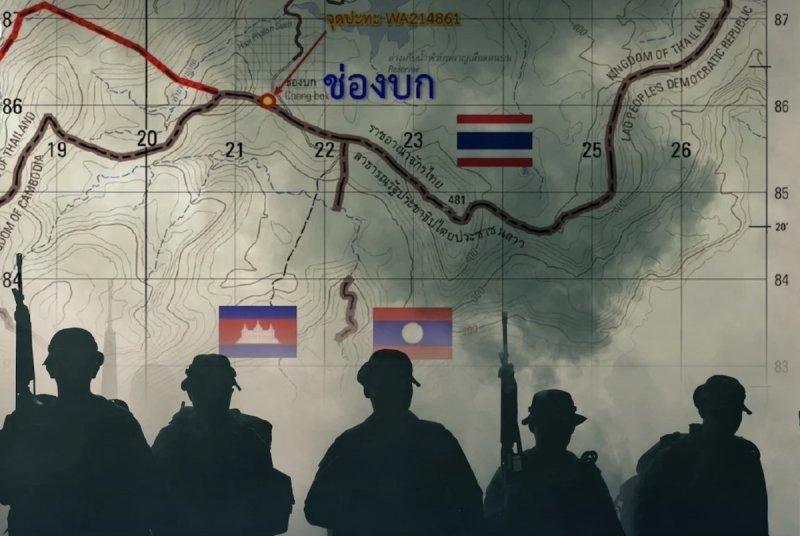
Tensions and diplomatic frictions between Cambodia and Thailand have resurfaced in recent weeks, drawing regional attention and prompting questions about the roots of the dispute, the security implications, and where relations may go next. While neither side seeks escalation, the disagreement highlights long-standing sensitivities involving borders, migrant labor, political narratives, and military coordination.
This FAQ explainer walks through the latest developments, the historical background, and the issues shaping the conversation today.
What triggered the latest tension?
The current friction began when security and political statements from officials in both countries revived disagreements over border demarcation and activities around disputed areas. Cambodian authorities accused Thai forces of making unauthorized movements near segments of the frontier, while Thailand argued that Cambodian personnel had placed border markers or structures that were inconsistent with past agreements.
The spat intensified through mutual diplomatic notes, public comments from politicians, and increased military presence in certain zones. Though the situation remains controlled, it has raised concerns about a potential cycle of reciprocal accusations.
Why are cambodia and thailand sensitive about border issues?
The two neighbors share a 800-kilometer border, much of which is dense jungle, mountainous terrain, and historical heritage sites. Several areas have unclear or partially demarcated boundaries, a legacy of colonial-era maps and decades of stalled negotiations.
The most well-known flashpoint is the area around Preah Vihear Temple, where armed clashes occurred in 2008–2011. Although the International Court of Justice issued rulings favoring Cambodia’s sovereignty over the temple and surrounding territory, both sides remain cautious, particularly about troop placements and construction near sensitive points.
Because small changes in the landscape can influence security conditions, local incidents easily escalate into national disputes.
Is there a military buildup?
There is no large-scale military mobilization, but both sides have increased border patrols and maintained a higher alert level. This is a common reaction when disputes re-emerge.
Officials in both countries have emphasized that they want to avoid conflict. However, even routine movements of troops, engineers, or survey teams can spark political debate, especially when amplified on social media.
How do domestic politics influence the situation?
Domestic political sensitivities play a large role:
Cambodia
Prime Minister Hun Manet’s government is managing expectations following his father Hun Sen’s long tenure. Any perceived concession on sovereignty risks criticism from nationalist voices.
Thailand
Thailand has been navigating a complex political landscape following recent elections, coalition bargaining, and street-level political debates. Nationalists and opposition groups often scrutinize how the government handles foreign partners, especially neighboring states.
Border issues can become symbolic tests of leadership and national pride, prompting more assertive rhetoric.
What about the issue of migrant workers?
One of the most practical concerns between the two countries is the status of migrant labor. Thailand hosts hundreds of thousands of Cambodian workers who support key sectors such as construction, agriculture, domestic services, and seafood processing.
When political or border tensions rise, rumors about mass deportations or border closures frequently spread—causing:
-
anxiety among workers
-
economic concerns for employers
-
pressure on both governments to provide clarity
Both Bangkok and Phnom Penh have said that workers’ rights will remain protected and that the current dispute does not affect legal migration mechanisms.
Are economic ties at risk?
The dispute has not halted trade or transit, but it could slow momentum in:
-
border trade zones
-
infrastructure cooperation projects
-
tourism flows, especially at land crossings
Both economies benefit from open borders. Thailand remains a major investor in Cambodia, and millions of tourists normally cross between the two countries each year. Economic stakeholders are urging both governments to maintain stability and dialogue.
Is this related to regional geopolitics?
Indirectly, yes. The mainland Southeast Asian region is experiencing shifting dynamics as:
-
ASEAN countries navigate differing ties with China, the US, and regional powers
-
infrastructure projects expand through the Mekong subregion
-
domestic political transitions reshape foreign policy priorities
When borders are sensitive, even small disputes can become symbols of regional influence and national independence. Cambodia and Thailand each try to show they are protecting sovereignty while avoiding unnecessary confrontation.
How have the governments responded diplomatically?
Both sides have used standard diplomatic channels:
-
delivery of formal diplomatic notes
-
meetings between foreign ministry officials
-
communication between border committees
-
military-to-military dialogue at regional command level
Cambodia has urged a quick clarification of boundary activities. Thailand has emphasized its commitment to agreements but called for “responsible communication” from both sides.
ASEAN has not formally intervened, but several member states privately support de-escalation and confidence-building.
Could this escalate into a conflict?
Experts view the risk of large-scale conflict as low. Both governments understand that escalation would damage their political standing, regional reputation, and economic stability.
The greater risk lies in:
-
local misunderstandings between troops
-
misinformation spreading online
-
nationalist pressure pushing leaders toward hardline positions
Effective communication mechanisms at the border remain crucial.
What are possible next steps?
Diplomats and analysts expect the following developments:
1. renewed border negotiations
Technical teams may resume discussions on demarcation segments where disagreements persist.
2. inspection visits
Joint inspection or mapping missions could help verify on-ground positions and reduce misinterpretation.
3. political messaging
Leaders in both capitals may issue calming statements to prevent public backlash.
4. security cooperation
Military commanders could strengthen hotlines and coordinated patrol procedures.
Overall, both governments have incentives to cool tensions quickly.
Why does this matter to the wider region?
Stable Cambodia–Thailand relations are important for:
-
Mekong subregional connectivity
-
ASEAN unity and diplomacy
-
cross-border economic corridors
-
humanitarian cooperation, including disaster response
-
tourism and trade that rely on open crossings
Disruptions along their border can affect supply chains across mainland Southeast Asia.
Bottom line
The latest tensions between Cambodia and Thailand reflect long-standing sensitivities around border demarcation, political narratives, and security coordination, rather than a deliberate push toward conflict. While the situation demands careful diplomacy, both governments appear committed to preventing escalation and preserving cooperation.
The coming weeks will show whether technical negotiations and confidence-building measures can stabilize the atmosphere. For now, the dispute is real but manageable—and closely watched across the region.


Similar news