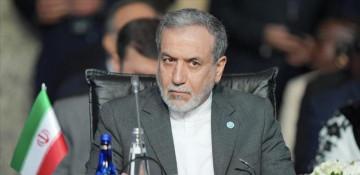
Presidential elections in Moldova: key events ahead of the elections


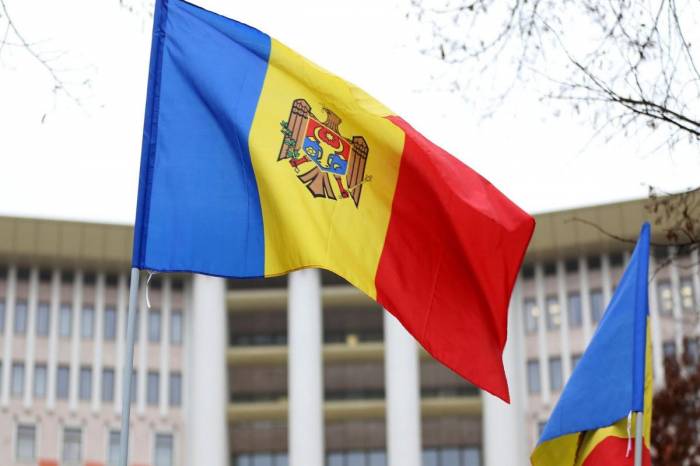
The upcoming presidential elections in Moldova, scheduled for October 20, 2024 , have become a focal point due to several factors, including the issues surrounding the political representation of the Moldovan diaspora in Russia and the strategy of the incumbent president, Maia Sandu.
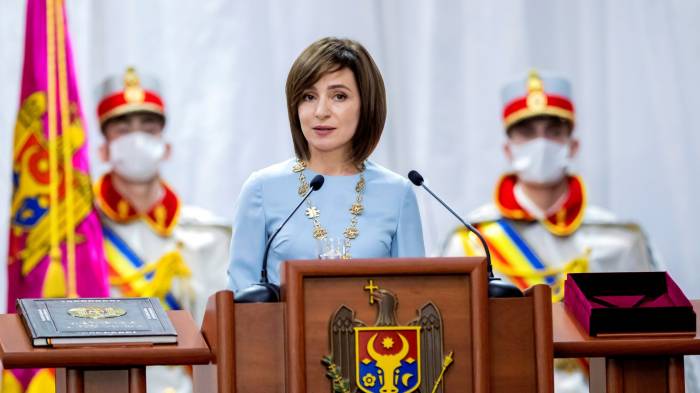
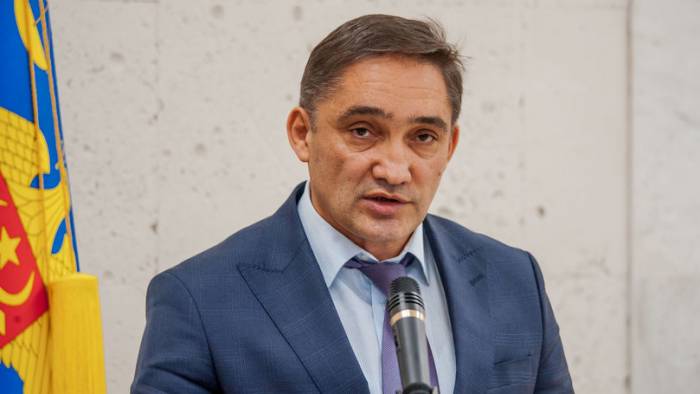
Since her victory in the 2020 elections, Sandu has been actively promoting a pro-European agenda. However, despite her efforts, progress in reforms, especially in governance and anti-corruption, has been slower than expected. Nevertheless, recent polls show that around 34% of voters continue to support Sandu, placing her in a favorable position for the upcoming elections. A significant change in this election cycle is the absence of former President Igor Dodon, who was a key figure in previous campaigns. This time, Dodon has decided not to run and instead endorsed former prosecutor who is now the unified opposition candidate.
The limited representation of the diaspora in Russia adds to the tension surrounding the upcoming elections. The Moldovan Central Election Commission (CEC) decided to open only five polling stations in Russia, which has caused dissatisfaction among members of the Moldovan community, numbering around 100,000 people. Each of these polling stations will receive no more than 5,000 ballots, allowing only 25,000 people to vote in total. This creates a situation where a significant portion of Moldovans living in Russia will be unable to exercise their right to vote.
Representatives of the Moldovan diaspora in Russia have expressed concerns that such measures could limit their participation in the elections. The Cultural and Educational Center of Moldova in Stavropol stated that these decisions might be related to the political preferences of Moldovans residing in Russia, who traditionally tend to support pro-Russian candidates.
The Moldovan diaspora plays a significant role in the country’s elections due to large-scale labor migration. In the 2019 elections, nearly 14,000 Moldovans in Russia cast their votes, while turnout in Western European countries was even higher. For instance, in Italy alone, Maia Sandu received over 80,000 votes. This underscores the importance of overseas voting for the outcome of elections in Moldova.
In the 2021 parliamentary elections, Sandu's party, "Action and Solidarity" (PAS) , won a decisive victory, receiving nearly 86% of the votes from Moldovans voting abroad. This once again confirmed the crucial role of the diaspora in the country’s political landscape. Throughout her presidency, Sandu actively engaged with the diaspora during her international visits, strengthening her position abroad.
Nevertheless, critics point to potential restrictions for the Moldovan diaspora in Russia, where postal voting is not available. Meanwhile, Moldovans in the U.S., Canada, and several European countries have the option to vote by mail. These limitations may be perceived as an attempt to avoid negative results for Sandu in Russia, where a significant portion of the diaspora holds pro-Russian views.
Questions regarding the transparency of the elections also arise, considering the influence of international organizations on the electoral process. The Moldovan CEC cooperates with such entities as USAID and UK Aid, which sparks discussions about external influence on the elections. Supporters of this cooperation argue that international experts help maintain high democratic standards, while critics view this as a threat to the independence of the elections.
Despite these challenges, it is important to note the relatively low political activity of the Moldovan diaspora in Russia compared to those in Western countries. This may be attributed to the lack of systematic attention to the diaspora from both Moldovan authorities and local organizations.
Thus, the upcoming elections are crucial not only for Moldova’s internal politics but also for its international relations. The political representation of the diaspora, particularly in countries like Russia, remains a key issue that requires a systematic approach to ensure the participation of all citizens in the democratic process.
Since her victory in the 2020 elections, Sandu has been actively promoting a pro-European agenda. However, despite her efforts, progress in reforms, especially in governance and anti-corruption, has been slower than expected. Nevertheless, recent polls show that around 34% of voters continue to support Sandu, placing her in a favorable position for the upcoming elections. A significant change in this election cycle is the absence of former President Igor Dodon, who was a key figure in previous campaigns. This time, Dodon has decided not to run and instead endorsed former prosecutor who is now the unified opposition candidate.
The limited representation of the diaspora in Russia adds to the tension surrounding the upcoming elections. The Moldovan Central Election Commission (CEC) decided to open only five polling stations in Russia, which has caused dissatisfaction among members of the Moldovan community, numbering around 100,000 people. Each of these polling stations will receive no more than 5,000 ballots, allowing only 25,000 people to vote in total. This creates a situation where a significant portion of Moldovans living in Russia will be unable to exercise their right to vote.
Representatives of the Moldovan diaspora in Russia have expressed concerns that such measures could limit their participation in the elections. The Cultural and Educational Center of Moldova in Stavropol stated that these decisions might be related to the political preferences of Moldovans residing in Russia, who traditionally tend to support pro-Russian candidates.
The Moldovan diaspora plays a significant role in the country’s elections due to large-scale labor migration. In the 2019 elections, nearly 14,000 Moldovans in Russia cast their votes, while turnout in Western European countries was even higher. For instance, in Italy alone, Maia Sandu received over 80,000 votes. This underscores the importance of overseas voting for the outcome of elections in Moldova.
In the 2021 parliamentary elections, Sandu's party, "Action and Solidarity" (PAS) , won a decisive victory, receiving nearly 86% of the votes from Moldovans voting abroad. This once again confirmed the crucial role of the diaspora in the country’s political landscape. Throughout her presidency, Sandu actively engaged with the diaspora during her international visits, strengthening her position abroad.
Nevertheless, critics point to potential restrictions for the Moldovan diaspora in Russia, where postal voting is not available. Meanwhile, Moldovans in the U.S., Canada, and several European countries have the option to vote by mail. These limitations may be perceived as an attempt to avoid negative results for Sandu in Russia, where a significant portion of the diaspora holds pro-Russian views.
Questions regarding the transparency of the elections also arise, considering the influence of international organizations on the electoral process. The Moldovan CEC cooperates with such entities as USAID and UK Aid, which sparks discussions about external influence on the elections. Supporters of this cooperation argue that international experts help maintain high democratic standards, while critics view this as a threat to the independence of the elections.
Despite these challenges, it is important to note the relatively low political activity of the Moldovan diaspora in Russia compared to those in Western countries. This may be attributed to the lack of systematic attention to the diaspora from both Moldovan authorities and local organizations.
Thus, the upcoming elections are crucial not only for Moldova’s internal politics but also for its international relations. The political representation of the diaspora, particularly in countries like Russia, remains a key issue that requires a systematic approach to ensure the participation of all citizens in the democratic process.


Similar news