Russia implements strict measures for migrants


By Asif Aydinli
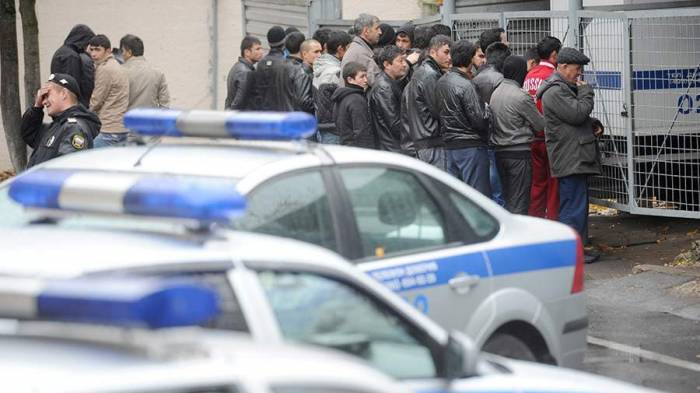
On the evening of October 1, a group of deputies, led by Vyacheslav Volodin, submitted a new bill to the State Duma that tightens the rules for exams on the Russian language , Russian history, and the fundamentals of Russian law for migrants. This move represents the latest effort to intensify state control over migration policies, an area that has drawn significant scrutiny in recent years.The bill, supported by key institutions like the Prosecutor General’s Office, the Investigative Committee, the Ministry of Internal Affairs, and others, proposes several changes. First and foremost, it restricts the right to conduct exams and issue certificates to a specific list of organizations approved by the government. Importantly, it prohibits these educational institutions from outsourcing exam-related responsibilities to third parties, a practice that has been widespread until now.
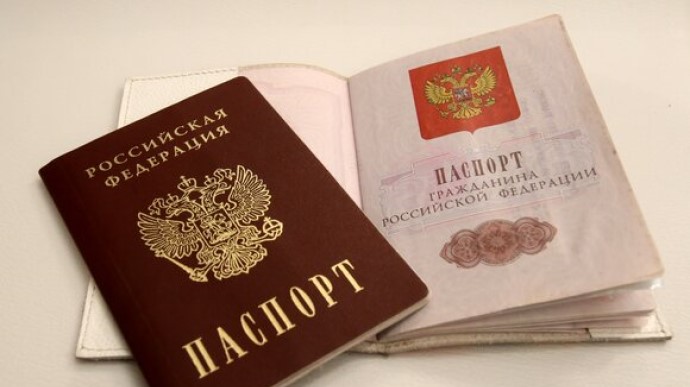
Why is this necessary? According to the explanatory note accompanying the bill, the current system has led to numerous violations, including the issuance of fraudulent certificates. In effect, individuals who lacked proficiency in the Russian language were still able to obtain documents affirming otherwise. In just the past three years, over 2,700 cases of migrants possessing false language certificates have been identified. The new regulations aim to combat this phenomenon, signaling a tightening of controls over migration inflows.
Yet, a key question arises: will this measure effectively address the issue? As is often the case, lawmakers seem to be targeting symptoms rather than the root cause. Instead of improving the exam system itself, they propose restricting the number of authorized institutions. This could inadvertently exacerbate corruption among the organizations granted the monopoly over administering these exams. There is no guarantee that migrants will suddenly become more proficient in Russian or more knowledgeable about the country’s history. Instead, what’s more likely is a rise in prices for more sophisticated counterfeit certificates on the black market.
In parallel, Volodin and his team introduced another bill on the same day aimed at cracking down on illegal migration and document forgery. Under the proposed legislation, websites offering migration documents, sham marriages, and other “fast-track” legalization methods could now be blocked without court orders. While this might sound like a reasonable step in theory, in practice, such measures often devolve into a game of cat and mouse, where websites are shut down only to reappear under new domains.
It is also important to recognize that tightening migration control measures in Russia has always sparked significant debate. Public opinion remains divided: on the one hand, there are voices calling for stricter control, especially following high-profile crimes involving foreign nationals. On the other hand, many of those who come to Russia seeking work play a crucial role in the economy, filling gaps in industries that domestic workers are unwilling to occupy. The real question is whether stricter exam and documentation controls will meaningfully alter the broader migration landscape.
These initiatives seem aimed primarily at demonstrating the government's active stance in combating migration-related violations. However, if these measures focus solely on enforcement rather than improving migrant integration, they could prove counterproductive. Russia’s migration policy continues to walk a fine line between the need for control and its economic interests. The question remains: where will this new legislative pendulum take us?


Similar news