Saudi Arabia poised for historic oil price cut in Asia


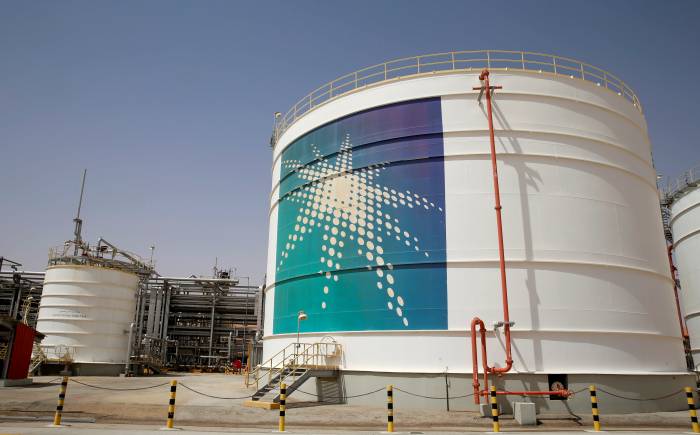
An Aramco oil tank at the Production facility at Saudi Aramco's Shaybah oilfield in the Empty Quarter, Saudi Arabia. Photo: REUTERS/Ahmed Jadallah
By Asif Aydinli
Saudi Arabia, the world’s largest oil exporter, is reportedly preparing to reduce its oil prices for Asian buyers to a four-year low in January 2025. This anticipated price drop reflects a response to falling baseline oil prices in the Middle East as of November 2024. The move signals a strategic adjustment to maintain competitiveness in a region crucial for Saudi oil exports.
According to Reuters, citing industry sources, the official selling price (OSP) for Saudi Arabia’s flagship Arab Light crude may decrease by $0.70–$0.90 per barrel from December 2024 levels. This reduction is expected to bring the price to its lowest point since 2021. Sources at Asian refineries suggest that the decrease aligns with declining market indicators in the region.In November 2024, the price spread between the first and third trading months in the Dubai oil market narrowed by $0.86 compared to the previous month, despite a significant purchase of 15.5 million barrels of oil by TotalEnergies as part of the S&P Global Platts trading process. Spot premiums for Middle Eastern crude slated for January delivery also halved compared to October, primarily due to sluggish demand.
The anticipated price cut is not uniform across all grades of Saudi crude. Industry insiders predict that the OSP for Arab Extra Light crude may converge with Arab Light prices. Meanwhile, heavier grades like Arab Medium and Arab Heavy could see steeper price reductions due to weaker demand for fuel oil. One respondent highlighted that low refining margins in China, a major consumer of heavy crude, could further incentivize Saudi Arabia to lower prices for these grades.
The pricing decisions by Saudi Aramco, the state-owned oil giant, may also be influenced by the outcomes of the upcoming OPEC+ meeting scheduled for December 5, 2024. The meeting is expected to address production quotas for early 2025, potentially affecting supply volumes and pricing strategies. OPEC+ sources recently suggested that the group might delay a planned production increase initially slated for January, reflecting cautious optimism about market stability.
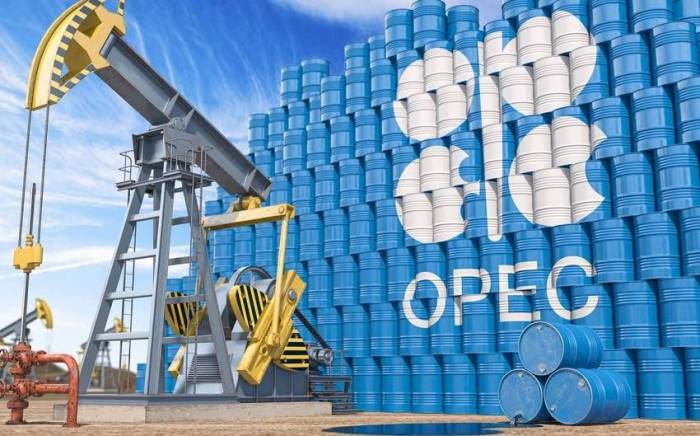
Photo: Shutterstock
Saudi Aramco traditionally announces its monthly crude oil prices around the 5th of each month. These prices serve as benchmarks for other major Middle Eastern oil producers, including Iran, Kuwait, and Iraq, collectively influencing the pricing of approximately 9 million barrels per day of crude oil destined for Asia.
Saudi Aramco calculates its OSPs based on client recommendations and the cost changes observed in its crude oil over the past month, factoring in global production levels and refined product prices. While Saudi Aramco representatives refrain from commenting on the kingdom’s monthly pricing strategy, these adjustments are widely seen as politically and economically significant, shaping the region’s oil market dynamics.
This anticipated price reduction underscores Saudi Arabia’s strategic approach to navigating a complex oil market environment. The weakening demand in Asia, coupled with narrower price spreads in key trading hubs, has put pressure on Middle Eastern producers to reassess their pricing policies. For Saudi Arabia, maintaining its market share in Asia, a region that absorbs the bulk of its crude exports, remains a top priority.
Moreover, the timing of the OPEC+ meeting adds an element of uncertainty to the equation. A potential decision to delay production increases could provide temporary relief to market prices, but it may also lead to more aggressive pricing competition among exporters aiming to secure market share in the region.
While the price cuts may help Saudi Arabia remain competitive, they also pose challenges. Reduced revenues from lower oil prices could impact the kingdom’s ambitious Vision 2030 economic diversification program, which heavily relies on oil revenue to fund infrastructure and development projects. Balancing the need for competitive pricing with fiscal sustainability will be a critical task for Saudi policymakers in the coming months.
In addition, weaker refining margins in major markets like China present a structural challenge. The continued low profitability of oil refining in China could dampen demand for Saudi crude, particularly heavier grades, which are more challenging to process and yield lower margins for refiners.
Saudi Arabia’s decision to lower oil prices for Asia in January 2025 reflects its adaptive strategy in response to evolving market conditions. The move is designed to protect its position as a leading supplier in Asia amid falling demand and narrowing price spreads. However, the broader implications, including the potential impact on revenues and regional market dynamics, highlight the complexities of navigating a volatile global oil market.
As the OPEC+ meeting approaches, the outcomes will be closely monitored for further clues about the direction of Saudi Arabia’s pricing and production strategy. For now, the anticipated price cuts signal a proactive approach to sustaining competitiveness in a critical export region, even as broader market challenges loom on the horizon.


Similar news