Tajikistan increases defense and security budget for 2025 amid regional instability


By Murad Samedov
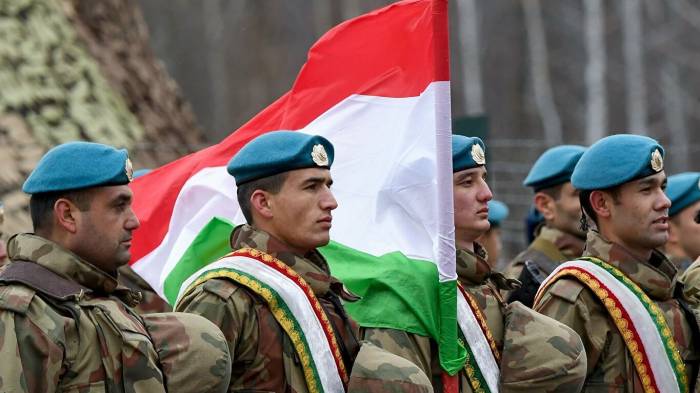
The government of Tajikistan has announced plans to significantly increase its defense, law enforcement, and judiciary budget for 2025, allocating a total of 4.7 billion somoni ($446 million) . This marks a substantial rise of $92 million compared to the previous year's expenditure of $354 million. The move underscores the growing emphasis on security in a region marked by geopolitical tensions and internal instability.As a percentage of GDP, the allocation for the military and security forces will rise to 2.8%, up by 0.2% from 2024, reflecting a clear prioritization of defense amidst growing concerns over regional threats. Despite this increase, details of how the funds will be distributed across specific departments remain confidential, adhering to the country's State Secrets Act. However, there are emerging concerns about how these funds are being managed, with recent incidents highlighting issues of financial mismanagement within the Ministry of Defense.
In August 2024, the Agency for State Financial Control and Anti-Corruption revealed that over 120 million somoni ($11.3 million) intended for provisions, including clothing and food for military personnel, had been embezzled from the Defense Ministry. A criminal investigation was subsequently launched, implicating 52 individuals, including high-ranking ministry officials, in what has been one of the largest financial scandals in Tajikistan’s defense sector.
Tajikistan is not alone in increasing its defense expenditure. According to the Stockholm International Peace Research Institute (SIPRI), the combined military spending of Tajikistan, Kazakhstan, and Kyrgyzstan in 2023 amounted to approximately $1.8 billion. While official data on defense spending in Uzbekistan and Turkmenistan remains unavailable, experts believe that these countries have also increased their military budgets in response to growing security concerns in the region.
Several key factors are driving this rise in defense spending across Central Asia. Border disputes between Central Asian nations have become more frequent, as exemplified by ongoing tensions between Tajikistan and Kyrgyzstan. Furthermore, the unstable political situation in Afghanistan, particularly following the Taliban’s return to power, has heightened fears of potential security threats spilling over into neighboring countries.
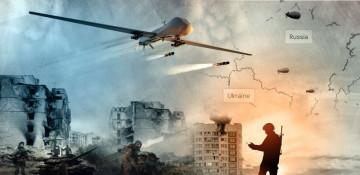
The ongoing war in Ukraine has also influenced Central Asian states to rethink their defense strategies. The conflict has exposed vulnerabilities in traditional security alliances and has driven countries in the region to bolster their military capabilities in anticipation of broader geopolitical shifts.
Historically, Central Asian states have relied heavily on Russia for their security needs, particularly through agreements within the Collective Security Treaty Organization (CSTO). However, the geopolitical landscape in the region is evolving, with a growing number of external actors now playing a more prominent role in Central Asian security.
Countries such as Turkey, Iran, Saudi Arabia, the United States, Germany, France, China, and Belarus have increasingly engaged in military cooperation with Central Asian states. These nations provide arms, military equipment, and training, creating a more diversified security environment. For example, Turkey has recently deepened its defense ties with several Central Asian countries, providing drones and other military technology. China, too, has become a significant security partner, particularly with its growing economic influence through the Belt and Road Initiative.
Despite this diversification of military partnerships, experts caution that simply increasing defense budgets will not address all the security challenges faced by Central Asian nations. Political instability, ethnic tensions, and economic inequality remain significant internal issues that continue to threaten the region’s stability.
While increased spending on defense and security is viewed as a necessary step to protect against external threats, experts argue that long-term stability in Central Asia will require more than just military expenditure. Internal political reforms, improved governance, and stronger civil institutions are critical to addressing the root causes of instability.
As Tajikistan and its neighbors continue to boost their defense capabilities, the region's future security landscape remains uncertain. With external powers vying for influence and internal challenges persisting, Central Asia faces a complex path ahead in its quest for stability and security.


Similar news