The 2024 Parliamentary elections in Jordan: Reforms and expectations


By Samir Muradov
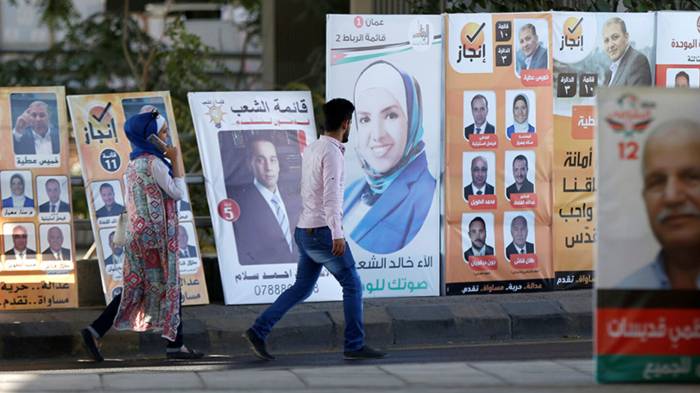
The 2024 parliamentary elections in Jordan are poised to be a transformative event in the country's political landscape. With new electoral laws designed to enhance representation and increase the participation of women and youth, Jordan is taking significant steps towards a more inclusive and party-based governance model. As the elections draw near, expectations for substantial reforms and changes are high. In the following text, we explore the key features of these elections, the anticipated impact on Jordan’s political structure, and the perspectives of experts and voters on what these changes could mean for the future of the country.Jordan is actively preparing for parliamentary elections, which are set to take place on September 10, 2024. These elections will be held under a new electoral law introduced in 2022, aimed at improving representation and engaging women and youth in the political process.
According to the new law, the number of members in the House of Representatives is increased from 130 to 138. Measures have been introduced to enhance the inclusion of women and young candidates. Now, each political party’s candidate list must include at least one woman for every three candidates and one person under 35 among the top five positions. The minimum age for parliamentary candidates has also been lowered from 30 to 25, aiming to increase youth participation in the country's governance.
These elections are seen as an important step in Jordan's political transition towards more party-based and programmatic parliamentary work. As King Abdullah II noted in April this year, the country is entering a new phase of party work, and it is important to ensure the integrity of the electoral process and prevent violations.
Political analysts and experts consider the upcoming elections to be "very important" in light of Jordan's gradual shift towards party-oriented governance. Analyst Rouman Haddad points out that, amid growing economic challenges and regional instability, voters will be especially keen to evaluate candidates' abilities to address economic, social, healthcare, and educational issues. He believes that voter turnout will be comparable to previous elections.
Amjad Jala, a political analyst and editor at the Jordan Press Foundation, expects an increase in the representation of youth and women in the House of Representatives. He urges voters to exercise their democratic rights, emphasizing that local economic conditions are likely to be a top concern.
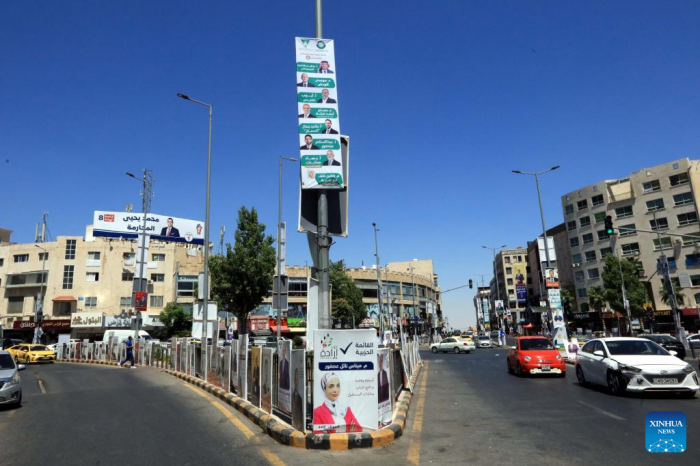
University graduate Rama Haj Abed expressed hope that young candidates will focus on key issues such as unemployment. "I have been unable to find a job for over two years, and I hope that more young representatives will address these issues," said the 24-year-old.
Garment store owner Khaleel Theyab from downtown Amman voiced hope for change: "I have voted many times and hope this election will be different, with more political party members winning. We need reduced taxes and plans to support small businesses."
According to the Independent Election Commission, 36 of the 38 licensed political parties will participate in the elections. The number of registered voters has surpassed 5.1 million, including approximately 2.7 million women and 2.4 million men.
A recent survey by NAMA , an Amman-based research firm, predicts a voter turnout of around 35.0 percent, which is higher than the 29.9 percent turnout in the last parliamentary elections in November 2020.
These elections will mark an important milestone in Jordan’s political history, providing more opportunities for women and youth to participate and demonstrating the country’s commitment to reform and a more inclusive political process.


Similar news