Three years of war, no end in sight: Will 2025 bring a breakthrough or more bloodshed?


By Samir Muradov
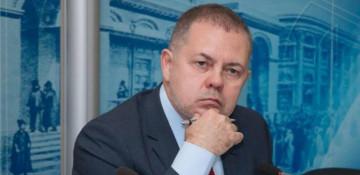
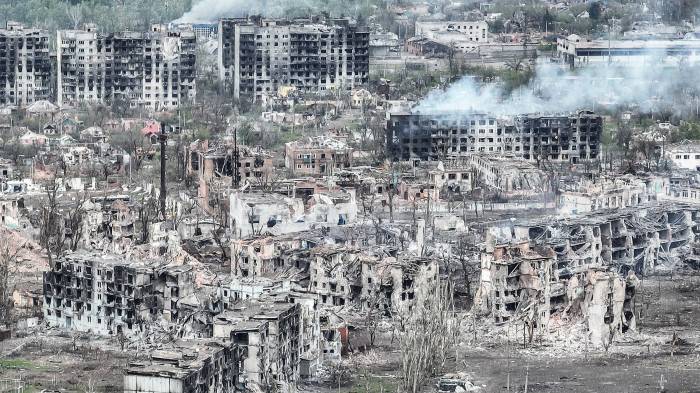
February 24 marks three years since Russia’s full-scale invasion of Ukraine. Over this period, the front line has undergone significant changes, the nature of the war has become increasingly technological, and the international landscape continues to evolve under the influence of sanctions, diplomacy, and political developments in key countries. What are the prospects for the current confrontation? How effective have sanctions against Russia been? Is a diplomatic resolution possible under a new U.S. administration? News.Az discussed these issues with Oleksandr Leonov, Executive Director of the Center for Applied Political Studies “Penta” and a Ukrainian political analyst.
- February 24 marks three years since Russia’s invasion of Ukraine. How would you assess the current situation on the front line? What strategic changes can be noted?
- The conflict has definitively entered a prolonged phase, with hostilities now extending into Russian territory, including the Kursk region. Ukraine systematically targets Russia’s oil and gas infrastructure. The use of drones—airborne, ground-based, and naval—has significantly increased, including their deployment to destroy other drones. The war is becoming increasingly technology-driven.
- How effective have Western sanctions against Russia been? Are there signs of their relaxation or, conversely, tightening?
- Sanctions have had an impact, but Russia's economy still retains some resilience. Nevertheless, Gazprom was recognized as the most unprofitable Russian company last year, and experts estimate that the National Wealth Fund could be depleted by the end of this year. The key question is how long Russia’s economy can sustain itself under sanctions. If Donald Trump manages to significantly lower oil prices, this could trigger a chain reaction of crises in Russia’s key industries, increasing pressure on Moscow and potentially prompting a push for negotiations.
- How has the international stance on Ukraine and Russia evolved over these three years? Which countries have maintained neutrality, and which have strengthened their support for either side?
- Overall, international positions have remained largely unchanged. The EU and the West continue to support Ukraine, with the exception of Hungary and Slovakia. Russia maintains strong ties with China, India, and several African nations. However, the Collective Security Treaty Organization (CSTO) has effectively lost its significance, and the future of the Eurasian Economic Union (EAEU) remains uncertain. A key factor will be any shift in the U.S. position, the scale of which will become clearer in upcoming negotiations.
- What scenario for ending the conflict seems most likely at this point? Could diplomatic negotiations take place soon under the mediation of a Trump administration?
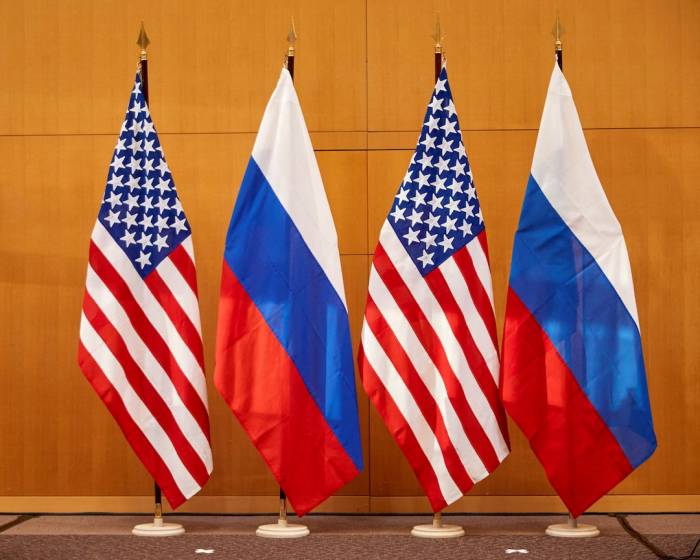 Russian and U.S. flags are pictured in Geneva, Switzerland January 10, 2022. REUTERS/Denis Balibouse/File Photo Purchase LicensingRights
- The U.S. and Russia are already engaged in negotiations—the question is what compromises can be reached. Much depends on Russia’s stance in other areas of dialogue with Washington, particularly in its interactions with China. Another crucial factor is whether the European Union is prepared to become an independent player in security matters.


Similar news