Turkiye and Central Asia: On the path to a new level of cooperation


Editor's note: Engin Ozer is a Turkish political scientist, analyst. The article expresses the personal opinion of the author and may not coincide with the view of News.Az.
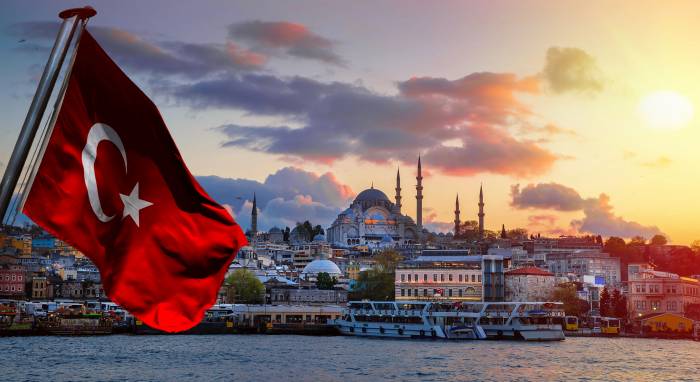
Turkiye has been actively strengthening its cooperation with Central Asian countries , building on shared cultural and linguistic roots. In addition to cultural ties, Turkiye is now seeking to expand its economic presence in the region, despite the many challenges posed by competition from other major players such as Russia and China.One of the most important instruments for integrating Turkic peoples remains cultural organizations, which, although initially established for cultural exchange, have gradually taken on political significance. While these organizations are still largely symbolic, they lay the groundwork for closer cooperation among Turkic states, with Turkiye playing a leading role in this process. The sphere of trade and economy is also gaining importance, with notable successes in trade with Azerbaijan. Turkiye and Azerbaijan have built a partnership that goes beyond cultural and economic ties, extending to the political level, which underscores the uniqueness of their relationship compared to other Turkic states.
Language continues to be a crucial part of cultural integration. Joint efforts to create a unified alphabet and educational exchanges between universities mark significant steps towards strengthening cultural ties. The planned launch of a television channel aimed at Turkic countries further contributes to this bond. Programs in a common language and alphabet will serve as a powerful tool for promoting shared values, bringing communities closer, and raising awareness about cultural heritage.
At the same time, competition from powerful external players like China and Russia creates both opportunities and challenges. China plays a key role in the region as a trade partner and investor, actively investing in infrastructure and energy projects. Russia, on the other hand, relies on historical connections dating back to the Soviet era. Turkiye, however, intends to offer Central Asian countries a different path, one that is more flexible and focused on cultural interaction—an especially appealing approach for countries interested in developing their own identity.
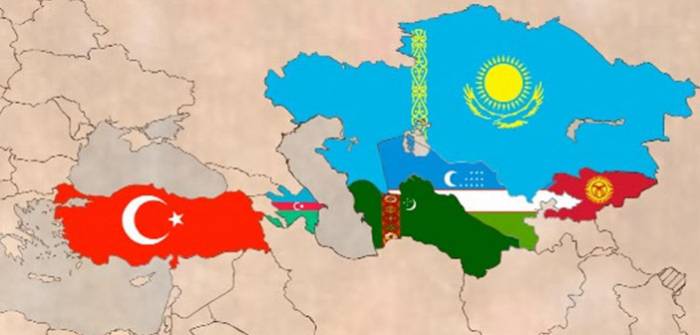
Turkiye's economic ambitions in the region are also evident. Turkish businessmen are increasing their investments in Central Asian economies, fostering job creation and stimulating local economies. Turkiye is considering simplifying customs regulations to increase trade volumes; however, one of the most serious challenges remains logistics.
Today, the main trade route passes through Georgia, but existing checkpoints struggle with high traffic volumes. Turkiye promotes the idea of the Zangezur Corridor , which could be a solution to this issue, ensuring faster and more efficient goods transportation. However, the implementation of this project will require substantial political and economic effort.
Security cooperation is also on the agenda. Turkiye proposes creating an anti-terrorist center, similar to the Russian model, which could play a significant role in regional security. The sharing of expertise in counter-terrorism, utilizing Turkiye’s experience, would be a key step in addressing extremist threats, especially given that Central Asia faces several challenges related to instability and extremism. Nevertheless, Turkiye does not seek to form a military alliance within the Organization of Turkic States, especially given that several countries in the region are already members of the CSTO. Therefore, cooperation will be focused solely on counter-terrorism and analysis.
Among the main obstacles to deeper integration remain customs and logistics regulations. Simplifying customs procedures could significantly boost trade between Turkiye and Central Asia. Several important agreements have already been signed in this direction.
For example, in 2024, Turkiye and Turkmenistan signed an agreement for a simplified customs corridor , which will speed up goods clearance. Azerbaijan has also ratified an agreement aimed at facilitating customs procedures among the countries of the Organization of Turkic States, underscoring the commitment to strengthening economic ties.
These initiatives create favorable conditions for business and reinforce trust between states. However, for these efforts to be fully successful, continued investment in transport infrastructure and route optimization will be necessary. Improvements in logistics could speed up processes and make the region more attractive for investments, contributing to stable economic growth.
The prospects for Turkish-Central Asian cooperation are thus extensive, particularly in the cultural and economic spheres. In the face of growing competition with Russia and China, Turkiye offers Central Asian countries a partnership based on cultural and historical kinship, which could well become the decisive factor in further strengthening their ties.
(If you possess specialized knowledge and wish to contribute, please reach out to us at opinions@news.az).


Similar news