Two governments, one Yemen: Russia steps into a divided state


Editor's note: Russian military-political analyst, expert in the field of strategic security, specialist in the Middle East and Africa Vladimir Bekish. The article expresses the personal opinion of the author and may not coincide with the view of News.Az.
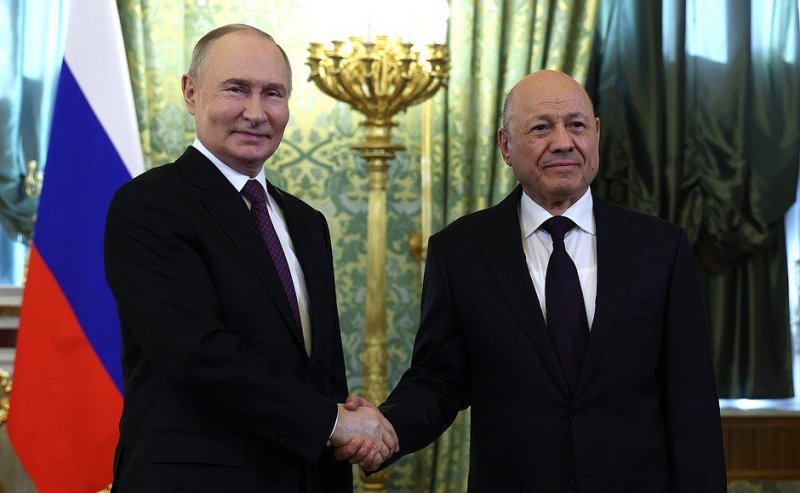
The head of one of Yemen’s existing authorities, Chairman of the Yemeni Presidential Leadership Council Rashad al-Alimi, arrived in Moscow, was received by President Vladimir Putin, and held talks with him. The phrase “one of the existing authorities” may sound unusual, but it accurately reflects the complex political reality of Yemen. Notably, this Presidential Leadership Council is not based in Sana’a, the country’s capital, but operates from the southern city of Aden. Meanwhile, another de facto authority—the armed group affiliated with the religious-political movement Ansar Allah—holds power in Sana’a.
The civil war in Yemen has been ongoing for 11 years. Yemen is the second-largest country on the Arabian Peninsula in terms of territory—525,000 square kilometers—and has a significant population of 34 million. The country remains deeply divided along religious lines, with tensions between Sunni and Shia communities, compounded by protracted warfare and complex international entanglements.
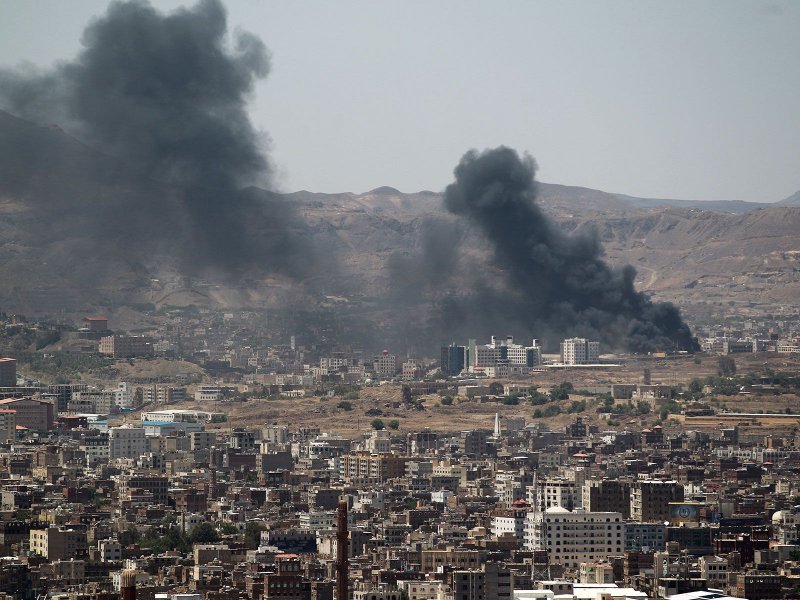 Photo: Wikimedia Commons
The Houthis, known for their militant operations, have launched missile attacks on Israel and Saudi Arabia. On several occasions, Houthi missiles were intercepted as they approached Abu Dhabi, the capital of the United Arab Emirates. In addition to targeting states they view as hostile, the Houthis have also attacked, attempted to hijack, or sought to sink merchant and military vessels navigating the Red Sea—particularly when they suspect the ships are connected to Israel or other countries they oppose.
Given this volatile backdrop, it is difficult to assess what the internationally recognized Yemeni government—the Presidential Leadership Council—is doing and how effectively it is functioning. This uncertainty may explain why, in 2017, Russia decided to suspend its diplomatic presence in Yemen, relocating its embassy staff to Riyadh, Saudi Arabia.
It is well known that the Houthis receive robust support from Iran, which provides political backing, weapons, military advisers, and instructors. At the same time, the United States continues to oppose Iranian influence in the region and has conducted joint airstrikes with Israel on Houthi positions in Yemen. Recently, U.S. President Joe Biden announced that America would halt its strikes, claiming that the Houthis had "capitulated." However, the Houthis have rejected this narrative, calling the president’s statement a lie.
Historically, Yemen maintained warm relations with the Soviet Union, and for some time these relations continued with Russia. In recent years, however, ties have grown strained and unproductive—not only due to the withdrawal of the Russian embassy but also because relations have ceased to develop in any meaningful way, whether politically, economically, or financially. The current visit by the head of Yemen’s internationally recognized government may therefore be an attempt to initiate a new chapter in Russian-Yemeni relations.
Yet this raises an important question: What should Russia consider to be the legitimate governing authority in Yemen? If a government lacks control over its own capital and substantial portions of national territory, how will other political and military forces within the country view any cooperation between Russia and such a government? Moreover, how will the population living under alternative authorities respond?
Understandably, the most straightforward and least controversial form of cooperation would be humanitarian aid—such as the provision of food, medicine, and opportunities for Yemeni students to study in Russian universities.
There is also the possibility of military cooperation. On paper, such engagement could be presented as legal. The Presidential Leadership Council is internationally recognized, having been delegated authority by the former president, and therefore has the formal right to purchase arms from other countries to defend the state and its people. However, in practice, these weapons would likely be used against powerful rival factions—particularly the Houthis—who control large territories and are supported by a significant portion of the population.
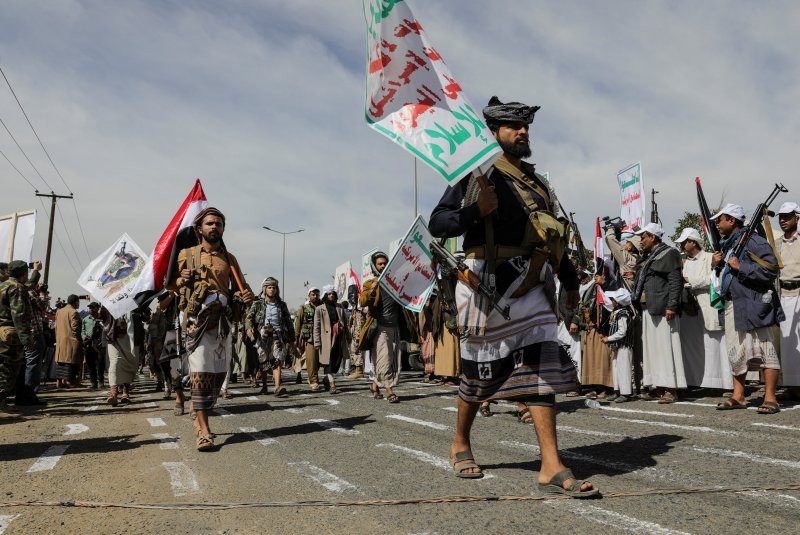 Photo: Reuters
In addition, acquiring arms requires payment, and here the Yemeni government faces a major obstacle. The Presidential Leadership Council does not have sufficient revenue streams. Oil production in the territories under its control is currently limited, and any profits it generates are minimal. This means that, should Russia agree to supply weapons, it would likely not be compensated in cash—raising the question of what alternative forms of payment might be considered.
In short, many questions surround the recent talks between Putin and the head of the Yemeni government. Most of the discussions were held behind closed doors, and the results remain undisclosed. This alone suggests that sensitive issues were on the agenda—likely including the relationship between the Houthis and Iran, Iran’s ties with Russia, U.S.-Iranian tensions, and Russia’s relationship with Saudi Arabia. It is reasonable to assume that one of Yemen’s key requests was for Russia to exert pressure on Iran to reduce or halt its support for the Houthis.
What President Putin’s response was—and whether Russia intends to take any concrete steps—remains an open question.
(If you possess specialized knowledge and wish to contribute, please reach out to us at opinions@news.az).


Similar news