Ukraine braces for winter as Russian strikes target energy infrastructure


.png)
Editor's note: Faig Mahmudov is an Azerbaijan-based journalist. The article expresses the author's personal opinion and may not coincide with the view of News.Az.
Russia’s military campaign against Ukraine has intensified both in scope and frequency in recent days. Missile strikes, drone assaults, and large-scale bombardments have targeted multiple regions, from Zaporizhzhia and Dnipro to Kharkiv and Odesa. Analysts argue that this surge reflects Moscow’s attempt to regain strategic initiative, demonstrate military dominance, and send a political signal to both Kyiv and the West.
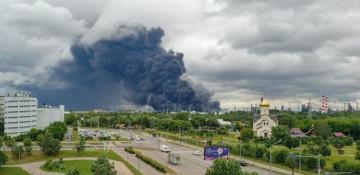
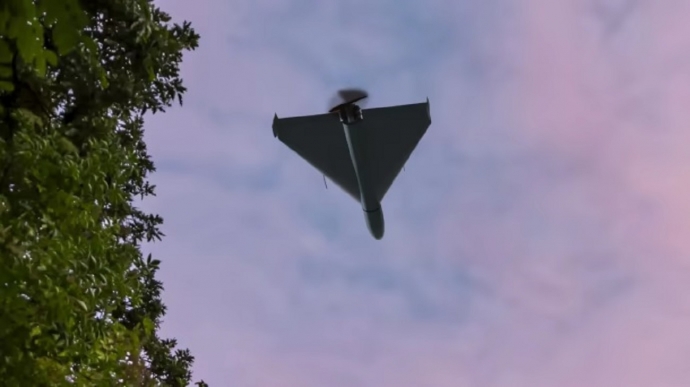
Since mid-September, Russia has launched daily waves of missile attacks combined with Iranian-made Shahed-136/131 kamikaze drones. In one of the largest recent raids, more than 30 drones were directed at the Kyiv region. While Ukraine’s air defense forces successfully intercepted the majority, several managed to strike energy facilities and industrial infrastructure, causing blackouts and production shutdowns. In Kharkiv, residential neighborhoods came under repeated shelling, resulting in civilian casualties. In Zaporizhzhia, a railway hub and power station were damaged, disrupting both logistics and electricity supply. Odesa’s port infrastructure was also struck again, threatening the fragile Black Sea grain corridor and undermining Ukraine’s export capacity.

Source: Reuters
On September 20, Russia launched one of the heaviest combined missile-and-drone assaults of the war, involving nearly 600 drones and around 40 missiles. Ukrainian air defenses intercepted most of them, but several strikes hit Dnipro, Chernihiv, and Khmelnytskyi regions, causing fatalities and further damage to energy and civilian infrastructure. Cities including Kyiv, Dnipropetrovsk, and Odesa reported new waves of destruction, injuries, and power disruptions.
Ukraine also achieved a notable counterblow with the destruction of two Russian Be-12 amphibious aircraft in occupied Crimea, marking the first time this Soviet-era maritime patrol plane has been downed in combat. A Mi-8 helicopter was also eliminated in the same operation, demonstrating Kyiv’s growing ability to strike sensitive Russian assets in occupied territory.
Moscow’s renewed offensive appears driven by multiple factors. With little movement along the Donbas and southern fronts, Russia has shifted to aerial dominance as a way of breaking the deadlock. By hitting civilian infrastructure, Moscow seeks to exhaust Ukrainian society, sow panic, and weaken the political leadership’s domestic standing. The intensification of strikes is also designed to pressure Europe and the U.S., reminding them that prolonging the war will carry security and energy costs for the wider region.
Ukraine continues to rely heavily on its layered air defense system, which now includes American Patriot batteries and German IRIS-T platforms. These have proven effective, but coverage remains uneven across the country. Kyiv continues to press Western partners for additional batteries, long-range missiles, and the long-awaited F-16 fighter jets, which could dramatically improve interception capabilities. Despite high interception rates, Ukraine’s stockpiles of ammunition and spare parts remain under strain. Analysts warn that without a steady flow of Western supplies, Ukraine may struggle to maintain its current defensive efficiency against the sheer volume of Russian strikes.
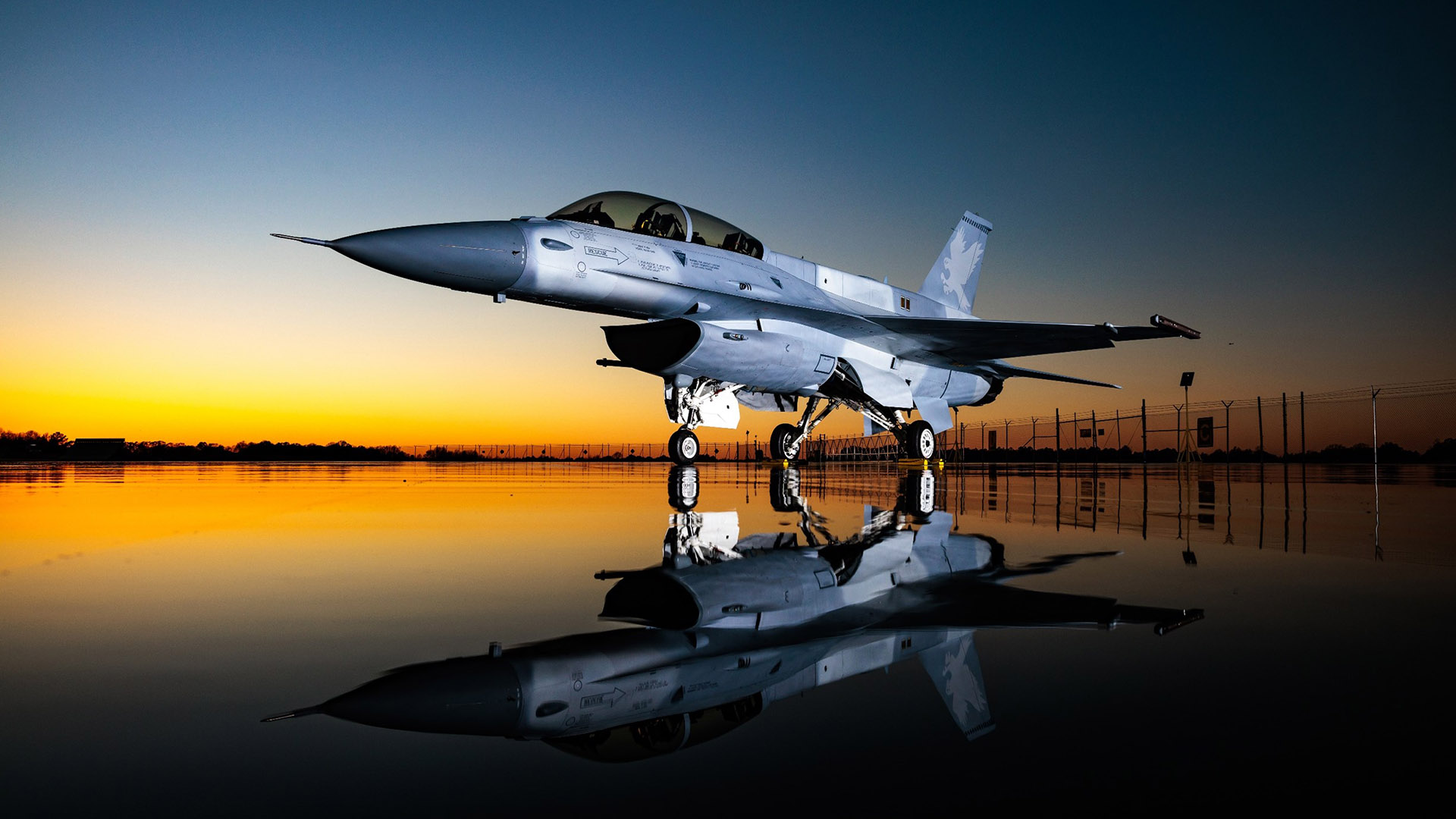
Source: Lockheedmartin
The United States has condemned Russia’s escalation as a campaign of terror against civilians. The European Union has pledged to accelerate deliveries of air defense systems and ammunition. NATO has repeated that its support for Kyiv will remain as long as necessary. At the same time, debates within Europe about the economic and social consequences of a prolonged conflict are intensifying, with concerns over energy prices, inflation, and migration weighing on domestic politics. Nevertheless, the prevailing judgment remains that wavering now would embolden Moscow and destabilize Europe further.
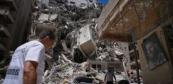
The strikes have left thousands of Ukrainians without electricity and water. Schools in several regions have suspended classes, while hospitals rely increasingly on generators. Humanitarian organizations warn that continued attacks on energy infrastructure could spark a deep crisis as winter approaches. With millions of internally displaced persons already dependent on aid, the situation risks worsening dramatically in the coming months.
Ukraine’s energy sector has also been severely disrupted. Gas storage facilities, already targeted by strikes, remain below winter readiness levels. Experts estimate that the country may need to purchase an additional billion dollars’ worth of imported gas to meet seasonal demand, underlining the broader economic costs of the Russian campaign.
Military experts note that Russia is seeking to transform the conflict into a war of attrition, betting that Ukraine’s allies will eventually tire of sustaining long-term assistance. By inflicting constant damage on infrastructure and civilian morale, Moscow hopes to erode both Ukraine’s resilience and Western unity. Ukraine, by contrast, insists that continued international aid will allow it not only to withstand these attacks but also to prepare counteroffensive operations once conditions permit. Kyiv’s strategy rests on convincing allies that support is not simply charity but an investment in European security.
Source: Al Jazeera
The greatest immediate risk lies in Ukraine’s energy grid. If repeated strikes disable critical power generation and distribution facilities during the winter, the country could face rolling blackouts and severe socio-economic strain. The government is already working with partners to reinforce energy infrastructure, but the threat remains acute.
The latest Russian attacks underscore that the conflict is not confined to the front lines. It is equally a war against Ukraine’s infrastructure, society, and political will, as well as a test of Western endurance. Russia has weaponized air strikes as a strategic tool—to break Ukraine’s resistance, weaken the economy, and fracture the international coalition supporting Kyiv. Ukraine, however, continues to demonstrate resilience, intercepting the majority of attacks while seeking deeper integration with Western defense systems. The coming months will reveal whether Western aid can sustain this defense through the winter, or whether Russia’s escalation succeeds in straining Ukraine’s capacity and Europe’s unity.
Ultimately, the escalation marks not only a new phase of the war but also a decisive test of Ukraine’s long-term endurance and the credibility of the West’s commitment to its security. The outcome will determine not only Ukraine’s survival but also the stability of Europe’s broader security architecture.
(If you possess specialized knowledge and wish to contribute, please reach out to us at opinions@news.az).


Similar news