U.S. and China mobilize their «armies»


By Tural Heybatov
The trade war between the United States and China is exceeding all previous expectations.
On the eve of new developments, the White House announced that the U.S. may raise tariffs on Chinese goods to as much as 245%. The Trump administration emphasized that since the sanctioned goods list was published on April 2, 75 countries have already entered negotiations with Washington over trade duties.
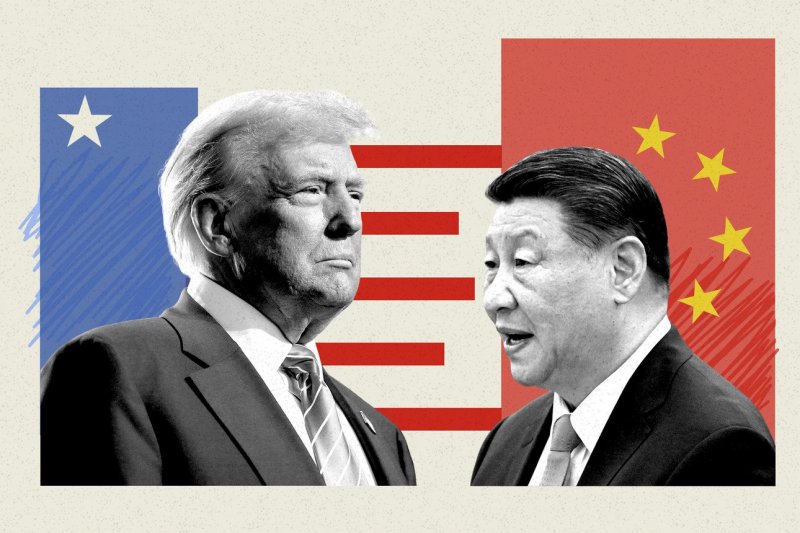
Trump was conciliatory towards those who came to the table promptly—suspending the imposed tariffs for them. However, in response to China’s retaliatory measures, the U.S. took a more aggressive stance. Unprecedented moves have followed from both sides. As of April 12, China imposed 125% tariffs on U.S. goods, while U.S. tariffs on Chinese products reached 145%. Although Trump had warned Beijing against retaliating, the world’s second-largest economy refused to raise the white flag—and the tariff war officially began. By all accounts, it threatens to be devastating for the global economy unless both sides find common ground.
Earlier this week, on April 14, China suspended exports of several rare-earth metals and magnets to the United States—a direct response to Trump’s threats to impose tariffs on imported semiconductors. Experts say that while China is unlikely to suffer significant losses from this move, it could deal a blow to U.S. companies and contractors. In addition, China is preparing to introduce restrictions on around 60 American companies.
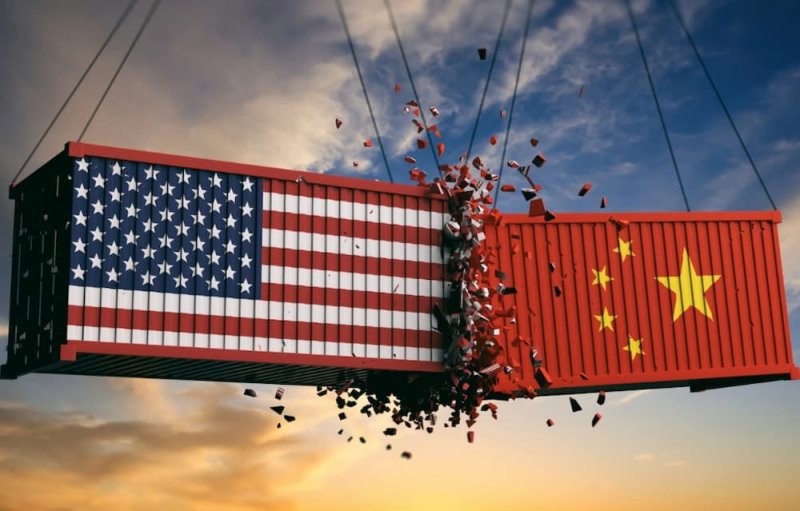
For China, trade wars with the United States are not unprecedented. Yet this current conflict appears to have spiraled beyond reason.
Commenting on Trump's proposal to hike tariffs up to 245%, China’s Foreign Ministry stated that such escalation "no longer makes economic sense" and has turned into a "numbers game." This was interpreted by many as a signal that Beijing has no intention of continuing a tit-for-tat exchange. In other words, if Trump proceeds with such an extreme tariff increase, China may not respond in kind.
However, this does not mean the war is over. Realizing that neither side can defeat the other with tariffs alone, both Washington and Beijing have begun rallying international support. Each is now forming its own coalition.
According to The Wall Street Journal, the U.S. is seeking to persuade over 70 countries to limit their trade relations with China. This includes urging them to ban Chinese companies from setting up operations on their territory and using them as distribution hubs. The idea reportedly came from Treasury Secretary Scott Bessent, with the goal of curbing the spread of cheap Chinese industrial goods and increasing economic pressure on Beijing. In exchange, the U.S. is offering tariff reductions to countries that join its campaign against China. The endgame, from Washington’s perspective, is to force concessions from Beijing.
It appears, however, that the White House is so emboldened by this mission that it may be ignoring warnings from economists and analysts. Many experts are raising concerns that aggressive tariff policies could destabilize global markets and even slow economic growth within the United States itself. Analyst Arthur Kroeber warned that Trump’s strategy might ultimately fail due to lack of allied support and China’s resilience in the face of external pressure.
Beijing, meanwhile, is far from passive. According to Reuters, Chinese authorities have switched senior officials to a "war footing," instructing diplomats to mobilize other countries against Trump's tariff measures. Sources say China spent several months attempting to avoid escalation, with diplomats seeking backchannel communication with top members of the Trump administration. Some Chinese officials had hoped for a breakthrough trade deal, resolution of the TikTok sale, or even movement on the Taiwan issue. But after Trump formally declared a tariff war, China opted for a firm response. Officials have reportedly been placed on near round-the-clock schedules, and all planned vacations were cancelled. Beijing has also reached out to other countries—including key U.S. allies in Europe, Japan, and South Korea.
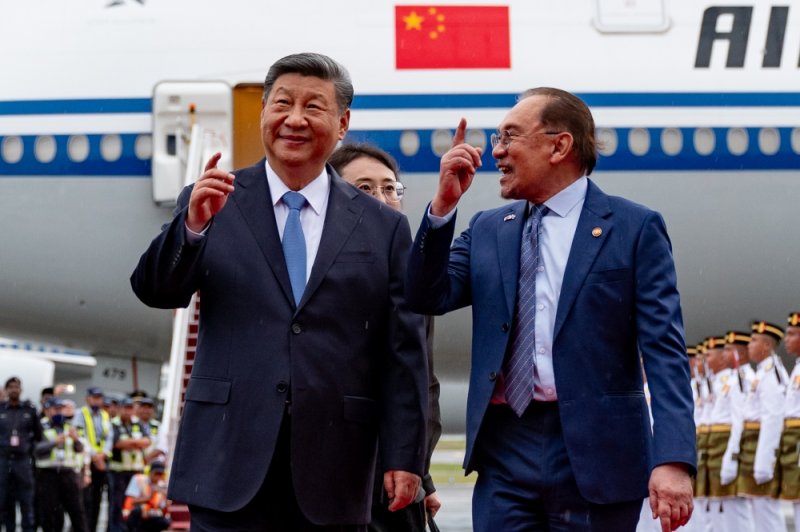
China is determined to show it still holds sway in the region. On April 14, President Xi Jinping visited Vietnam, followed by Malaysia and Cambodia. Bloomberg quoted China expert Prof. Lynette Ong of the University of Toronto as saying: “I would interpret this as an attempt by Xi to build alliances to counter the United States in the trade war.”
Ahead of his visit to Vietnam, President Xi published an article in which he condemned protectionist policies and urged Hanoi to cooperate with Beijing in defending international trade and resilient supply chains. “There are no winners in trade or tariff wars,” he wrote. Xi also expressed support for boosting Vietnamese exports to China, proposed building a railway link between the two countries, and encouraged cooperation in 5G and artificial intelligence.
It is worth noting that Vietnam, Malaysia, and Cambodia—which currently face U.S. tariffs of 46%, 24%, and 49% respectively—have all previously expressed a willingness to negotiate with the Trump administration.
Meanwhile, as Chatham House notes, Vietnam has become a master of strategic ambiguity amid the U.S.–China trade war. It has successfully played both powers off each other, remaining cautious and neutral in their grand strategies. The UK-based think tank reports that while Vietnam has recently signed numerous new deals with China, it is also preparing to conclude what is expected to be a highly favorable trade agreement with the United States—opting out of the tariff escalation game entirely.
China Global Television Network (CGTN) has also stepped into the fray, publishing an open letter titled "Rejecting Irresponsible Tariffs for the Sake of Our Shared Future"addressed to global think tanks. The letter expresses deep concern from the international research and policy community regarding recent developments and warns of the severe economic consequences of continued tariff wars. CGTN highlighted the erosion of global cooperation and trust at a time when collective action is most needed to address shared global challenges.
“We believe that a unified voice from the world’s leading think tanks can send a powerful signal to global leaders and the public,” the letter says, “calling for a re-evaluation of this dangerous path and a renewed commitment to multilateralism and rules-based international trade.”
The letter is open for signatures until April 20. It remains to be seen how much support it will garner.
What is clear, however, is that both superpowers are unwilling to back down—and the rest of the world may be caught in the crossfire. To be fair, we must still name the one who “fired the first shot.” And that name is well known to all: Donald Trump.


Similar news