Weapons or diplomacy: Berlin’s strategy to end the war in Ukraine - INTERVIEW


Photo: Adobe Stock
News.Az presents an interview with German political scientist Alexander Rahr.
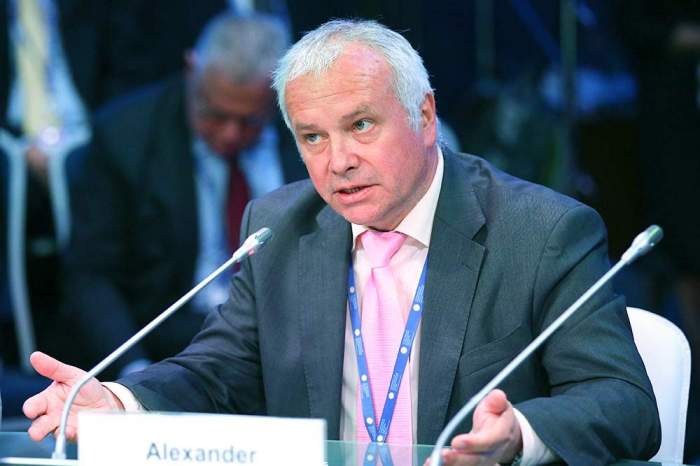
Alexander Rahr. Photo: Social media
- German Foreign Minister Annalena Baerbock has expressed Germany's readiness to support initiatives promoting peace in Ukraine and has not ruled out the deployment of soldiers. In your view, which initiatives could be most effective in achieving lasting peace? What risks and benefits are associated with the possible deployment of German soldiers in Ukraine?
- Sustainable peace requires not only the cessation of hostilities but also the establishment of conditions that minimize the likelihood of renewed conflict. Among the most effective initiatives, I would highlight diplomatic efforts involving neutral mediators, economic support for Ukraine's reconstruction, and robust international security guarantees.
Regarding the deployment of German soldiers, the decision entails both risks and benefits. On the one hand, it could help strengthen the position of the EU (not Germany) as a peacemaker. The participation of German troops could cause conflicts related to the historical memory of the German invasion of the USSR during World War II, support for Banderovites, and other similar aspects.
In Germany, there is increasing support for deploying UN troops along the conflict line. Ukraine demands security guarantees in any future peace agreement. While NATO membership is unlikely, neutral "blue-helmet" troops could serve as a feasible compromise. Russia is unlikely to accept NATO countries' participation in a peacekeeping mission, so troops from "neutral" nations might be considered.
The idea of UN peacekeeping forces could indeed provide a compromise, but its implementation would require agreement from both sides of the conflict. If the peacekeepers were from neutral countries such as Switzerland, Austria, or Ireland, it might reduce tensions and create conditions for a sustainable ceasefire. However, Russia's willingness to accept such an initiative, given its mistrust of international missions, remains a key issue.
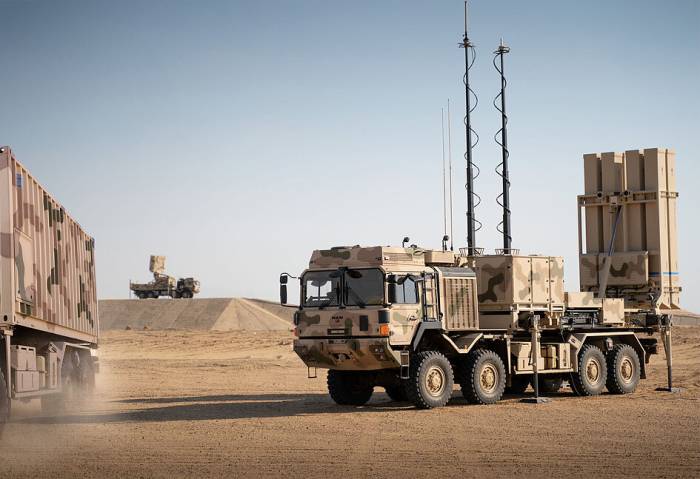
Iris-T SLM. Photo: Diehel via Hensoldt.
- Germany plans to deliver IRIS-T air defense systems, drones, and Leopard-1 tanks as military aid to Ukraine. How do you evaluate this decision? Does the expansion of arms supplies affect Germany's strategic role in the Ukrainian conflict?
- The supply of weapons like IRIS-T air defense systems and Leopard-1 tanks reflects Germany's active support for Ukraine. These steps strengthen Germany's reputation as an ally willing to take substantial responsibility for European security.
However, expanding arms deliveries inevitably increases tensions with Russia. This requires Germany to pursue a balanced strategy to prevent further escalation. Personally, I believe negotiations are more productive than escalating arms supplies, which are often destroyed on the battlefield. However, it is clear that the West is determined to support Ukraine until the last tank. A defeat for Ukraine would symbolize a defeat for NATO, which Western leaders are determined to avoid.
Within NATO, there is consensus that Ukraine's defeat would jeopardize the entire Western security framework. In the absence of diplomatic breakthroughs, arms deliveries are perceived as a way to maintain the balance of power on the battlefield.
- Chancellor Olaf Scholz made cautious comments regarding Ukraine's swift accession to NATO. Why do you think Germany adopts a cautious stance on this issue? How does it affect Germany's relations with NATO allies and Ukraine?
- Germany's cautious stance reflects its recognition that Ukraine's rapid NATO membership could provoke direct confrontation with Russia. This position allows Germany to support Ukraine while minimizing risks to European security.
However, this approach has caused friction with Eastern European allies, who favor more decisive actions. Scholz opposes Ukraine's NATO membership, understanding the potential for such a move to escalate into a global conflict. Within the EU, Ukraine's membership might serve as compensation for territorial losses in the east, reflecting Germany's concerns about the consequences of NATO's expansion.
Ukraine's accession to the EU could provide a middle ground, offering integration guarantees without the military commitments associated with NATO.
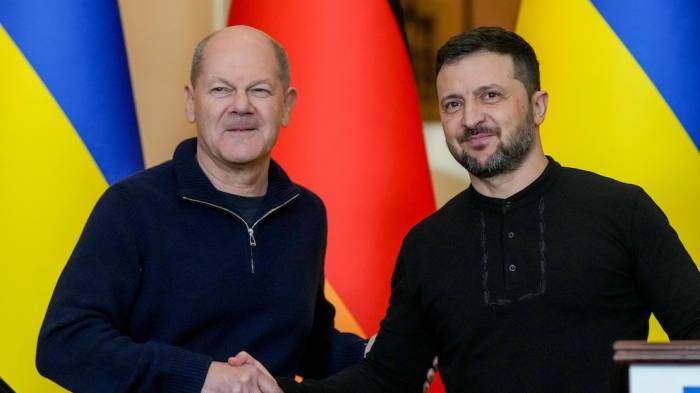
Ukraine's President Volodymyr Zelenskyy, right, and German Chancellor Olaf Scholz attend a press conference in Kyiv, Ukraine, Monday, Dec.2, 2024. Photo: AP/Evgeniy Maloletka
- Olaf Scholz's unofficial visit to Kyiv underscores Germany's focus on Ukraine. What do you think necessitated the Chancellor's second visit? What key issues might have been discussed during his meetings with Volodymyr Zelenskyy?
- Scholz's second visit highlights not only solidarity with Ukraine but also Germany's ambition to play a
pivotal role in resolving the conflict. Discussions likely centered on additional military aid, preparations for potential peace negotiations, and plans for Ukraine's infrastructure reconstruction.
The visit also has domestic political implications. As Scholz navigates an election campaign, he seeks to demonstrate his support for Ukraine while avoiding direct confrontation with Russia. This balancing act is crucial to reassuring voters that Germany remains a reliable partner while mitigating risks.
- German Defense Minister Boris Pistorius has proposed a new model of military service combining voluntary and mandatory elements. How do you evaluate this initiative? How might this model enhance the Bundeswehr's size and combat readiness?
- Pistorius' initiative could significantly improve the Bundeswehr's combat readiness. A combination of voluntary and mandatory elements allows for attracting more recruits while maintaining their motivation.
The success of this model will depend on resolving issues related to funding and training. Pistorius, often regarded as a hawk, frequently emphasizes the need for Germany to prepare for potential conflict with Russia, asserting that Russia may soon pose a direct threat to the West.
While I view this rhetoric as somewhat exaggerated, it enhances Pistorius' authority and may be aimed at boosting domestic mobilization and justifying increased defense budgets. However, such statements risk being perceived as provocative, potentially exacerbating international tensions.


Similar news