Airline pilots fear punishment for refusing Middle East flights


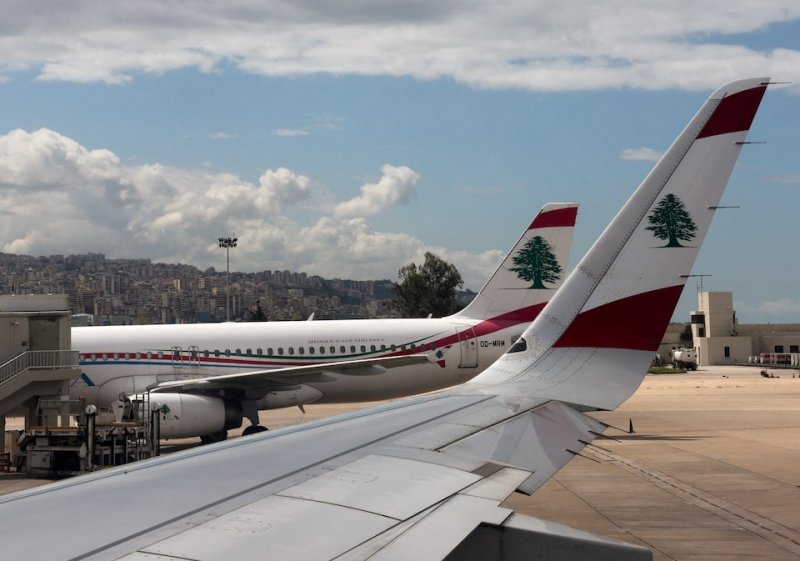
Airline pilots flying routes across the Middle East are increasingly worried not just about safety—but about losing their jobs if they refuse to operate in conflict zones, according to a global aviation body.
The head of International Federation of Air Line Pilots' Associations (IFALPA), Ron Hay, said pilots from countries ranging from Lebanon to India have voiced “widespread” concerns about flying in volatile airspace affected by the ongoing Iran war, News.Az reports, citing Reuters.
“There is an underlying fear of retribution,” Hay said, warning that some pilots risk losing pay, or even their jobs, if they decline assignments they consider unsafe.
RECOMMENDED STORIES
The concerns come as airlines continue to operate flights in a region where airspace can close suddenly due to missile or drone activity. While some carriers have resumed routes following a fragile ceasefire, conditions remain unpredictable.
Regulators have responded differently. The European Union Aviation Safety Agency has extended a ban on European airlines operating in parts of Gulf airspace, including over the United Arab Emirates and Qatar, through April 24.
However, airlines based in the region, as well as Indian carriers, continue to fly using designated safety corridors coordinated with authorities.
Despite mounting risks, few pilots are willing to speak publicly. Reuters contacted multiple Gulf-based pilots, but none agreed to comment, even anonymously, highlighting the sensitivity of the issue.
Hay criticized what he described as a weak safety culture in parts of the region, where pilots may feel discouraged from raising concerns.
“That’s not how a positive safety culture works,” he said, emphasizing that pilots must have a “non-negotiable” voice in decisions affecting flight safety.
The pressure is not only physical but psychological. The International Civil Aviation Organization (ICAO) issued a bulletin warning that operating in or near conflict zones can significantly increase stress, anxiety, and fatigue among aviation personnel.
Such mental health risks are considered “safety critical,” particularly when pilots must make rapid decisions in high-risk environments.
Pilot groups are now pushing for stricter oversight and clearer risk assessments. In late March, members linked to Air India raised “grave concerns” about continued flights to affected Gulf destinations, urging regulators to temporarily suspend operations until a centralized safety review is conducted.
Sources say the airline has since relied on external risk consultants to evaluate conditions daily, though regulators have yet to publicly respond.
For some pilots, the dangers don’t end after landing. Hay described cases in Beirut where infrastructure damage made it difficult for crew members to even return home safely.
“The roads between the airport and their house had been completely bombed,” he said, underscoring how deeply the conflict is affecting aviation workers.
By Aysel Mammadzada


Similar news