Alaska megatsunami larger than Empire State Building triggered by climate change


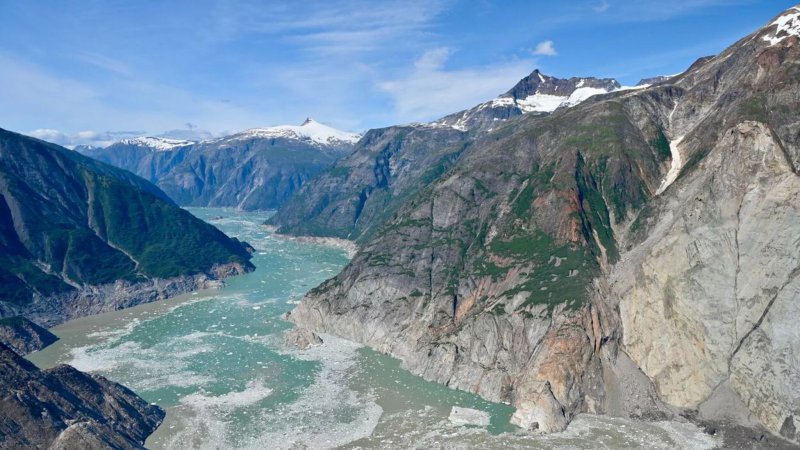
A massive tsunami that struck a fjord in Alaska has been confirmed as the second-highest ever recorded, with scientists linking the event to climate change.
The wave hit Tracy Arm Fjord in the Tongass National Forest after a large rock landslide triggered a sudden displacement of water. Researchers say the tsunami occurred at around 5:30am on 10 August 2025, which meant no boats or cruise ships were present in the area at the time, News.Az reports, citing Sky News.
The wave reached an estimated height of 1,578 feet (481 meters), making it significantly taller than New York’s Empire State Building. The force of the tsunami stripped vegetation from steep rock walls and left visible damage across the fjord landscape.
RECOMMENDED STORIES
Scientists explain that the landslide was caused by the retreat of a glacier that had previously supported the mountain slope. As temperatures rose, the ice melted and destabilized the rock above, eventually leading to collapse and the resulting tsunami.
Researchers involved in the study said the timing of the event likely prevented casualties, but warned that similar incidents could occur again as climate change continues to reshape Arctic environments.
The event was reconstructed using satellite data, aerial imagery, and seismic readings, as no direct recordings of the tsunami exist. Scientists emphasized that the scale of the wave places it among the most extreme natural events ever documented, highlighting growing risks in glacier-fed coastal regions.
By Leyla Şirinova


Similar news