Asian stocks edge higher amid AI optimism


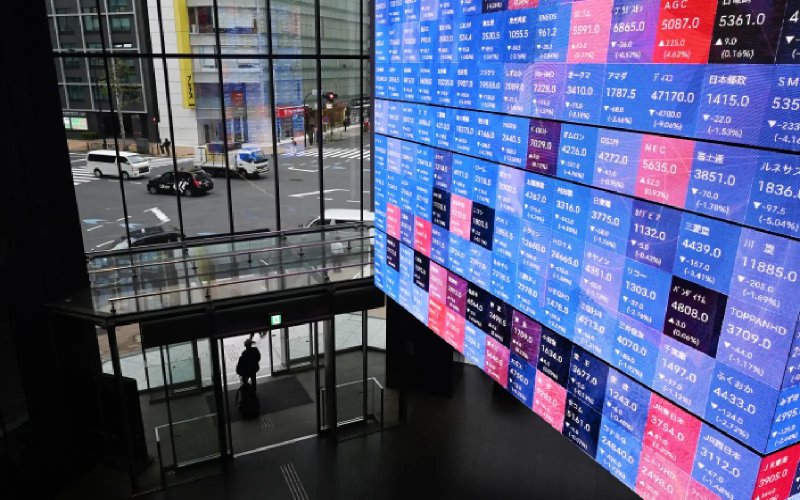
Asian stocks found their footing in volatile trading on Tuesday as investors largely set aside concerns about the durability of a Middle East ceasefire and returned to AI-focused investments, News.Az reports, citing Reuters.
MSCI’s broadest index of Asia-Pacific shares outside Japan rose 0.4%, after fluctuating between gains and losses at the start of trading.
Regional declines were led by South Korean shares, which fell as much as 3.3% after initially opening higher.
RECOMMENDED STORIES
Gains in China and Hong Kong helped stabilize the regional benchmark. S&P 500 e-mini futures were down 0.3%, while Japan’s Nikkei 225 dropped 0.7%.
Brent crude slipped 0.9% to $94.13 a barrel after Lebanon announced a partial ceasefire between Hezbollah and Israel on Monday, giving up some of the previous session’s gains that followed reports that Tehran had halted indirect negotiations with the United States.
Markets remain cautious about progress in U.S.–Iran peace talks aimed at ending the ongoing three-month war, amid concerns over the fragility of the April ceasefire.
Overnight, the S&P 500 closed 0.3% higher after the ISM manufacturing PMI rose to 54.0 in May from 52.7 the previous month, beating expectations and reaching its highest level in four years. The increase was likely driven by businesses front-loading orders amid rising prices and shortages linked to the war with Iran.
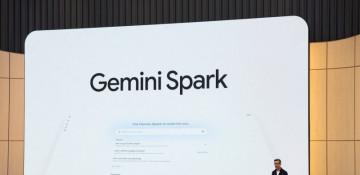
AI-related stocks in Asia advanced after AI developer Anthropic said it had confidentially filed for a U.S. initial public offering, which could value the company at around one trillion dollars. Alphabet shares slipped 0.7% in after-hours trading after the tech giant said it is looking to raise $80 billion in equity offerings, including investment support from Berkshire Hathaway, in a major push to expand its AI infrastructure.
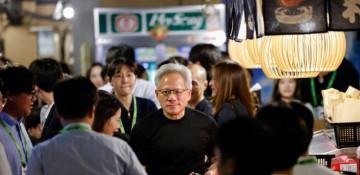
In Taipei, Nvidia CEO Jensen Huang said the AI industry leader has sufficient supply to support strong growth in CPUs and GPUs, though he acknowledged ongoing supply constraints remain a concern.
South Korean equities were particularly volatile, with the KOSPI swinging sharply lower after reaching a record high, as major firms such as Samsung Electronics and SK Hynix moved between gains and losses.
South Korea’s consumer price data also influenced trading, with inflation accelerating in May to a more than two-year high, strengthening expectations of a rate hike next month. The Bank of Korea had already signaled last week a shift toward tighter monetary policy to control inflation and support a weakening won.
The U.S. dollar index, which measures the greenback against six major currencies, held steady at 99.15, remaining within a tight range seen over the past three weeks.
The yield on the U.S. 10-year Treasury note fell 4.5 basis points to 4.43%. Gold rose 0.9% to $4,523.58 in choppy trading.
Cryptocurrencies dropped to two-month lows, with Bitcoin down 1.1% at $70,599.26 and Ether slipping 0.5% to $1,992.04.
By Nijat Babayev


Similar news