Bolivia’s capital under siege as protests deepen crisis for President Paz


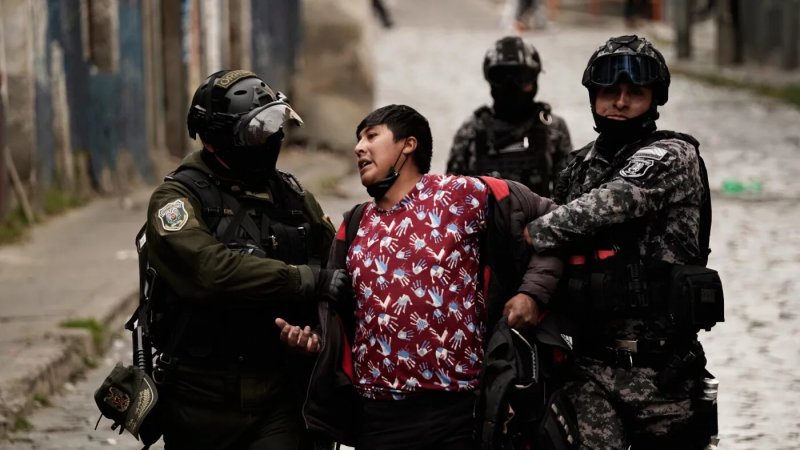
Bolivia is facing a deepening political crisis as widespread protests and road blockades bring the administrative capital under siege, less than six months after President Rodrigo Paz took office.
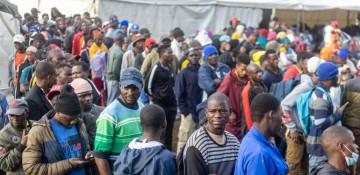
The unrest, led by trade unions, miners, and peasant organizations, has paralyzed key transport routes and disrupted essential supplies, with hospitals reporting shortages of oxygen and at least three deaths after emergency vehicles were blocked from reaching medical facilities, News.Az reports, citing Associated Press.
Supporters of former President Evo Morales have also clashed with police in La Paz, joining broader demonstrations demanding Paz’s resignation amid rising economic hardship and political fragmentation.
RECOMMENDED STORIES
The government says the president inherited a “bankrupt state” and accuses opponents of attempting to destabilize democracy, while warning that those responsible for “destroying order” could face jail.
Protests have been driven by multiple overlapping demands, including wage increases, fuel supplies, mining access rights, and teacher salary negotiations, reflecting widespread economic pressure across sectors of society.
Officials estimate that ongoing blockades are costing the economy more than $50 million per day and have stranded thousands of vehicles on major highways, worsening shortages in urban areas.
Former President Evo Morales, currently evading an arrest warrant on separate charges, has been accused by government officials of encouraging unrest, although analysts say his influence over mass mobilization may have weakened in recent years.
President Paz, who lacks a parliamentary majority and faces internal political divisions, has struggled to consolidate authority despite early efforts to secure foreign investment and economic support.
The crisis has also triggered international concern, with several Latin American countries urging respect for democratic order, while the United States has voiced support for Paz’s government and condemned the blockades disrupting national stability.
By Leyla Şirinova


Similar news