Brazil kicks off COP30 climate events as global tensions test climate ambition


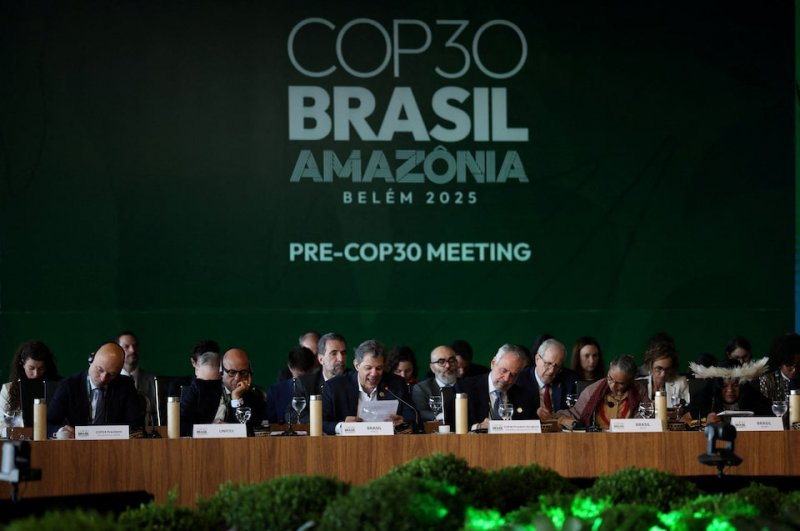
Brazil has opened three weeks of COP30-linked climate events across Rio de Janeiro, São Paulo and Belém in a bid to show the world that global climate momentum is still alive — even as economic uncertainty and political retreat threaten to overshadow environmental commitments.
The tone in Brazil is ambitious but cautious. Business leaders gathering in São Paulo are pressing governments to urgently accelerate renewable energy incentives, arguing that clean power is now cheaper than fossil fuels and essential for economic competitiveness. “It makes strong business sense and ensures energy security,” said Gonzalo Sáenz de Miera of Spain’s Green Growth Group, echoing a sentiment shared by top corporate coalitions calling for swift action, News.Az reports, citing Reuters.
Yet the optimism faces real-world turbulence. In Rio de Janeiro, a summit of mayors and governors is clouded by protests following a bloody police crackdown just a week earlier — a stark reminder of the social pressures running alongside climate diplomacy. Adding to the global spotlight, Britain’s Prince William is in Rio to present the Earthshot Prize, celebrating environmental innovation in a year where global cooperation on climate has frayed.
Around the world, geopolitical tensions, shifting U.S. policies and unpredictable tariffs have rattled investors and slowed climate progress. Even with renewable energy costs falling dramatically below fossil fuels, many countries are juggling competing priorities such as food security and investments in artificial intelligence. Against this backdrop, enthusiasm for multilateral climate action looks more fragile than it has in years.
That fragility is also reflected in attendance numbers. COP30 in Belém is on track for the lowest turnout from world leaders since 2019. Fewer than 60 leaders have confirmed their attendance, compared to more than 80 last year in Baku and well over 100 at summits in Dubai, Sharm el-Sheikh and Glasgow. Registration is also lower: only about 12,200 people had signed up as of October 8, far below the 54,000 attendees in Baku and the nearly 84,000 who participated in Dubai. Limited hotel capacity and soaring accommodation prices in Belém have forced many delegations to scale down or shift their presence to satellite events in São Paulo and Rio instead.
Brazil chose Belém deliberately. As the gateway to the Amazon, it symbolizes a promise: climate solutions must center the rainforest and the Indigenous communities who protect it. That message is arriving by river — literally. A flotilla of Indigenous leaders and environmental activists is traveling down the Amazon to deliver a list of conservation demands to global leaders. Many Indigenous groups plan to camp in the rainforest outside the city during the summit, turning the world’s attention back to the ecosystem most vital for Earth’s future.
Brazil hopes these weeks will rekindle global climate diplomacy and show that ambition hasn’t faded. But with diplomatic tensions rising, economic concerns pressing, and political commitment wavering, COP30 is shaping up to be a pivotal — and potentially defining — moment. The world is watching to see whether Brazil can reignite trust and urgency, or whether this year will mark a troubling step backward for climate leadership.


Similar news