Bridging the digital gap: Strengthening SME competitiveness in Azerbaijan



Digital transformation is gradually reshaping the business landscape in Azerbaijan. While the country has made progress in expanding digital public services and infrastructure, many small and medium-sized enterprises (SMEs) still struggle to integrate digital tools into their daily operations.
Traditional management practices, paper-based documentation, and informal workflows remain common, particularly among long-established small businesses, News.Az reports.
What may be holding businesses back
According to Etibar Khidirov, Social Entrepreneur and Founder of Destekchi SEP, one of the biggest barriers is not access to technology, but mindset.
RECOMMENDED STORIES
“The main challenge related to digitalisation is the approach of SME management. Many business owners are still not fully open to digital transformation and continue working in traditional ways — often on paper. Digitalisation is not yet seen as a strategic priority,” Khidirov explains.
A similar structural challenge is highlighted by Dr. Babak Nabiyev, Head of AzScienceNet NOC at the Institute of Information Technology in Baku. He emphasises that beyond mindset, operational realities also slow digital adoption.
“From a broader digital transformation perspective, one of the key challenges is the digitalisation of routine operational processes, which often requires both qualified specialists and organisational readiness. In many cases, limited human resources, heavy workloads, and the relatively high cost of mature digital solutions slow down adoption,” Nabiyev notes.
Low awareness of available digital tools further limits adoption. While some SMEs use CRM systems, social media platforms, and online marketplaces, digital solutions are rarely implemented systematically. Marketing remains a particular weak point.
“Many SMEs still have difficulties in advertising properly. This is largely due to poor marketing skills and limited knowledge of digital promotion tools,” Khidirov notes.
Not every sector is lagging behind
Digital skill levels in Azerbaijan vary significantly between sectors and types of businesses.
“There is a considerable gap between small business owners and startup founders in terms of digitalisation. Startup founders are generally more innovative and open to new technologies. They attach maximum importance to digital tools from the very beginning,” Khidirov says.
Dr. Nabiyev confirms that this difference is also visible across sectors.
“Digital skills vary significantly by sector. In IT-related startups the level is generally stronger, while in many other sectors digital tools are often used only at a basic level, typically relying on low-cost or free solutions with limited functionality,” he explains.
To address these gaps, the EU4Digital Academy, an EU-funded initiative, offers free online courses tailored to SMEs across Eastern Partnership countries, including Azerbaijan. Its Business Digitalisation course provides step-by-step guidance on organising workflows, using digital communication tools, strengthening online marketing, automating routine processes, and improving cybersecurity. The programme focuses on practical, accessible knowledge that entrepreneurs can apply immediately in their businesses.
From social media to AI
Although the situation is gradually improving, especially with the rapid adoption of AI-based tools, important gaps remain.
“Yes, the situation is gradually improving, especially with the rapid adoption of AI-based tools. However, the main gaps remain in structured digital transformation planning, process automation, and cybersecurity awareness, which require long-term capacity building,” Nabiyev adds.
Currently, the most commonly used digital platforms among Azerbaijani SMEs are social media channels, especially TikTok, Instagram, and Facebook, for promotion and sales. Meta Ads is frequently used for advertising campaigns. Some businesses also sell through Amazon and other e-commerce platforms.
“In general, the most widely used tools tend to be communication and social media platforms, basic accounting and banking/payment solutions, and government-related digital systems. More advanced tools such as CRM, analytics, and integrated management platforms are still less commonly adopted,” Nabiyev says.
Bridging the digital gap with clear priorities
At the institutional level, digital transformation is also progressing. The SIMA digital signature project, which enables electronic signing of employment contracts, is now officially applied across both public and private institutions employing staff.
Nabiyev also highlights broader government-driven initiatives that increase local relevance:
“A strong angle for local relevance would be to highlight several concrete examples, largely driven by government initiatives, such as the rapid expansion of the e-government platform, the widespread use of digital identity and e-signature solutions, mandatory e-invoicing via the State Tax Service, and Open Banking initiatives led by the Central Bank.”
Despite visible progress, significant training needs remain.
“There is a strong need for knowledge about advertising through the right digital channels. This directly affects sales. Many entrepreneurs are not aware of what digital tools are available or how to use them effectively. There is also a gap in creating attractive, customer-oriented content,” Khidirov emphasises.
“The most needed training areas are practical and application-oriented: basic IT skills, cybersecurity fundamentals, HR digital tools, accounting and financial digital systems, and the effective use of government e-services,” Nabiyev adds.
Both experts confirm demand for structured digital courses.
“Yes, there is demand for such courses. But more promotion is needed. Many SMEs are simply not aware of the EU4Digital Academy and its opportunities,” Khidirov says.
“It would be highly effective to integrate such learning models into universities and professional education systems,” Nabiyev notes.
Cooperation with national institutions such as KOBIA, the Small and Medium Business Development Agency, could further expand outreach.
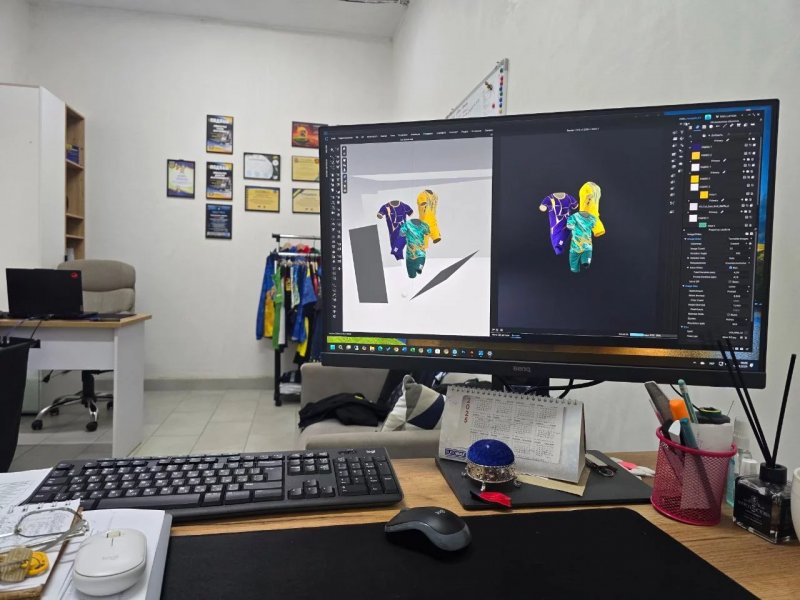
Regional examples demonstrate practical impact. The Ukrainian company MAXSport illustrates how structured digital adoption can accelerate SME growth. Founded in 2017, the company implemented ERP and CRM systems, enhanced its digital presence, introduced 3D tools and AI-based solutions, enabling stronger competitiveness and operational efficiency.
For Azerbaijani SMEs, digitalisation is not simply about technology — it is about sustainability and growth. With the right mindset, practical training, and awareness, digital tools can become a powerful engine for long-term development.


Similar news