BYD targets Brazil car sales crown with local production


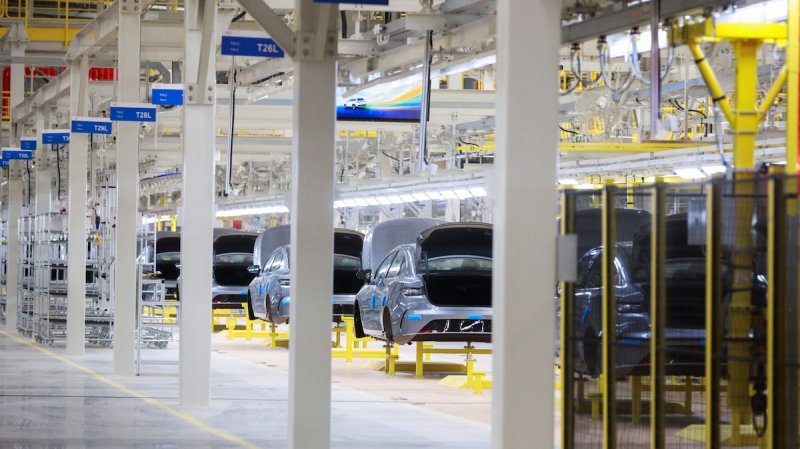
Chinese electric vehicle giant BYD is accelerating plans to localize production in Brazil as it pushes to become the country’s top-selling carmaker within the next decade.
The company aims to source or produce 50% of vehicle components locally at its new factory in Bahia by the end of 2026, according to senior executives. The transition is part of a broader strategy to strengthen BYD’s presence in Latin America’s largest auto market and reduce reliance on imported parts, News.Az reports, citing Reuters.
The factory, located in Camacari, operates on a site previously used by Ford before the U.S. automaker ended manufacturing operations in Brazil. Since October, the plant has already produced around 25,000 electric and hybrid vehicles, marking a rapid scale-up of operations.
RECOMMENDED STORIES
BYD plans to expand production capacity to about 300,000 vehicles per year in future phases, up from an expected 150,000 units by the end of 2026. The company is investing approximately 5.5 billion reais (about $1.1 billion) into the project as part of its initial expansion stage.
Increasing local content will help BYD meet regulatory requirements and could allow the company to start exporting vehicles from Brazil to other Mercosur countries as early as this year.
The plant currently assembles vehicles using semi-knocked-down (SKD) kits imported from abroad. However, company officials describe this as a temporary approach while local supply chains and production facilities, including stamping, welding and painting, are completed.
BYD says the expansion could generate up to 20,000 jobs in Brazil over time. The Camacari complex currently employs around 5,000 workers, including direct employees and contractors.
The project has faced scrutiny, including a labor investigation related to plant construction. Prosecutors said contractors and partners agreed to a financial settlement, while BYD said it was not a direct party to the agreement.
Brazil is BYD’s largest market outside China, and the company sees local manufacturing as key to long-term competitiveness and market leadership in the region.
By Aysel Mammadzada


Similar news