China builds half of world’s reactors, reshaping energy order


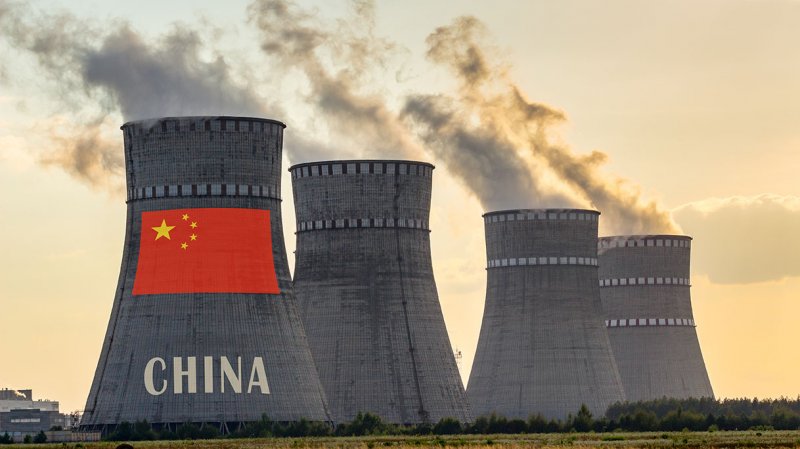
China is entering a new phase of large-scale nuclear energy development in 2026, strengthening its position as one of the leading players in the global energy market. According to official data, the country plans to complete and commission seven new nuclear power units this year. This step reflects Beijing’s long-term strategy aimed at accelerating the transition to low-carbon energy and reducing dependence on coal.
At present, China operates 58 nuclear power units, which form a stable backbone for its rapidly growing energy system. As electricity demand continues to rise alongside industrial expansion, urbanisation and the development of high-tech sectors, nuclear energy is increasingly viewed as a reliable and relatively clean source of baseload power. In this context, it plays a crucial role in ensuring grid stability while supporting the broader shift towards a greener economy.
The pace of development in China’s nuclear sector is unmatched globally. Currently, 29 nuclear power units are under construction, including two that began construction in 2026. According to international estimates, China accounts for more than half of all nuclear reactors currently being built worldwide. This places the country firmly at the forefront of global nuclear expansion, significantly ahead of traditional leaders such as the United States, France and Russia.
Further momentum is provided by an extensive pipeline of future projects. An additional 16 nuclear power units have already received official approval and are awaiting construction. China’s total installed nuclear capacity is projected to reach around 60 GW under its current development framework, placing it first in the world by this measure. Importantly, this figure represents only one stage in a much broader long-term strategy, with Beijing planning substantial capacity increases in the coming decades.
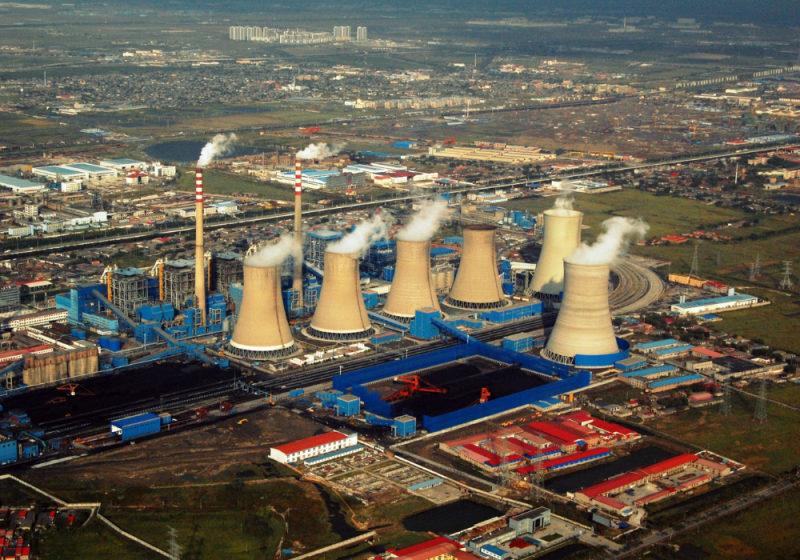
Geographically, China’s nuclear power plants are primarily concentrated in coastal provinces, where the country’s largest industrial hubs and population centres are located. Key nuclear facilities are situated in Guangdong, Zhejiang, Fujian, Jiangsu and Shandong provinces. Major plants include Daya Bay, Taishan, Haiyang and Tianwan. Their coastal location is driven by the need for large volumes of water for reactor cooling, as well as proximity to major electricity consumers.
In recent years, however, China has begun expanding nuclear development into inland regions. New projects are planned or already under way in provinces such as Hunan, Hubei and Sichuan. This shift reflects a broader strategy aimed at improving energy security by reducing reliance on long-distance electricity transmission from coastal areas and creating a more balanced national energy system.
A key feature of China’s nuclear expansion is its growing technological independence. The country is increasingly relying on domestic reactor designs, most notably the Hualong One (HPR1000), a third-generation reactor developed by Chinese engineers. This technology is being deployed across multiple projects within China and is also being positioned as a flagship export product.
Exporting nuclear technology is becoming the next major pillar of Beijing’s strategy. China is actively promoting its nuclear solutions abroad, offering a comprehensive package that includes financing, design, construction and long-term operation. This integrated approach makes Chinese proposals particularly attractive to developing countries facing energy shortages and limited access to capital.
The most prominent example of China’s international nuclear cooperation can be found in Pakistan. Chinese companies have successfully built and commissioned nuclear power units at the Karachi Nuclear Power Plant using Hualong One technology. These projects serve as a showcase of China’s capabilities and demonstrate its ability to deliver complex infrastructure projects overseas.
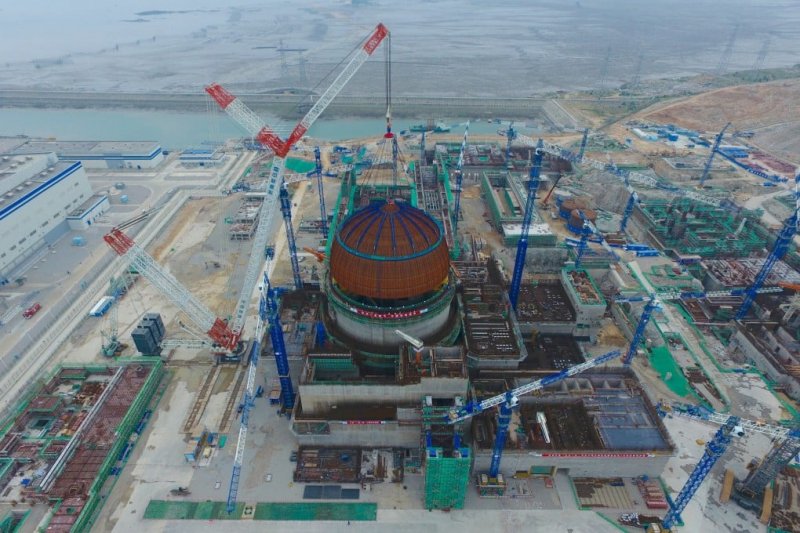
Beyond Pakistan, China is exploring opportunities in the Middle East, Africa and Southeast Asia. These regions are experiencing rapid growth in electricity demand, creating favourable conditions for nuclear energy development. Chinese firms are actively participating in negotiations and tenders, offering competitive financing models and turnkey solutions.
However, China’s expansion into developed markets faces political and regulatory challenges. Projects involving Chinese participation have been discussed in countries such as the United Kingdom and Argentina, but progress has been slowed or halted due to national security concerns and shifting political dynamics. This highlights the reality that nuclear energy remains not only an economic sector but also a strategic and geopolitical domain.
In a broader context, nuclear power plays a critical role in China’s climate policy. Beijing has committed to achieving carbon neutrality by 2060, and nuclear energy is seen as a key component of this transition alongside renewable sources such as wind and solar. Unlike renewables, nuclear plants provide stable, continuous power generation, making them essential for maintaining a reliable energy mix.


Similar news