China plans space AI data centers, challenging SpaceX


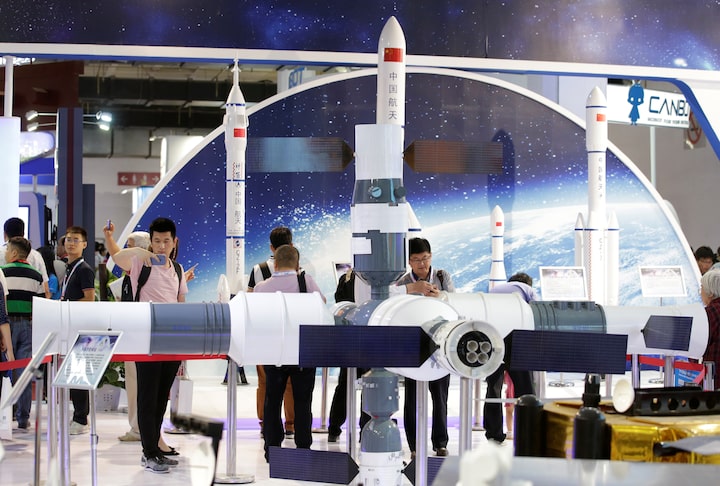
China is planning to build space-based artificial intelligence data centers over the next five years, a move that could challenge Elon Musk’s vision of deploying orbital data infrastructure through SpaceX.
State media reported that China Aerospace Science and Technology Corporation, the country’s main space contractor, has committed to constructing large-scale space-based digital intelligence systems capable of processing data in orbit. The initiative aims to integrate computing, storage, and transmission capabilities directly in space, reducing reliance on Earth-based data centers, News.Az reports, citing Reuters.
The project is part of a broader strategy to shift energy-intensive AI computing into orbit using solar-powered infrastructure. Chinese officials have outlined plans to develop a space-based cloud computing network by 2030, signaling a major step in the nation’s technological and space ambitions.
The announcement comes as SpaceX prepares its own plans for orbital AI data centers. Musk has said SpaceX intends to launch solar-powered data center satellites within the next few years, arguing that space-based power generation could offer significantly higher energy efficiency than ground-based systems.
China’s space roadmap also includes goals beyond data infrastructure. Plans call for the development of suborbital tourism and gradual expansion into orbital space travel. At the same time, China has opened a new academy focused on training specialists in deep-space exploration and navigation.
Analysts view these initiatives as part of intensifying competition between China and the United States to establish commercial and strategic leadership in space. While SpaceX currently holds an advantage in reusable rocket technology and satellite deployment, China is rapidly increasing its launch capacity and investing in next-generation space capabilities.
Further details on timelines and deployment schedules are expected as China’s next five-year development plan takes shape.
By Aysel Mammadzada


Similar news