China’s AI quietly takes over Silicon Valley as US firms switch to cheaper Chinese models


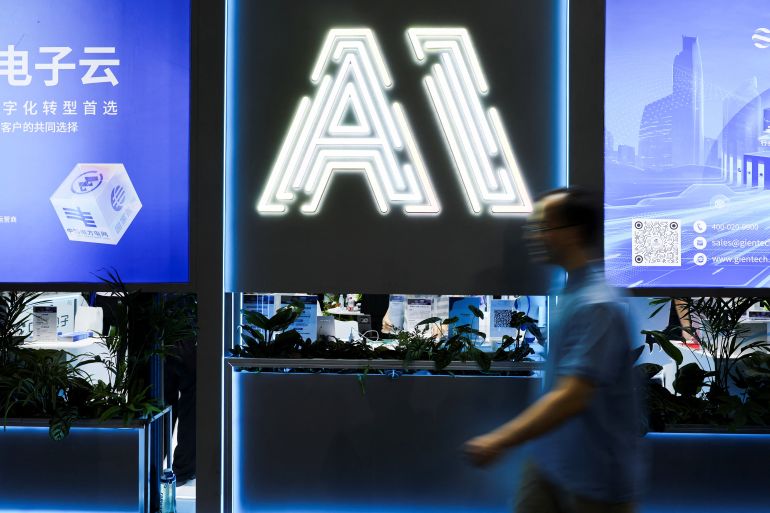
Chinese AI models are rapidly gaining traction in Silicon Valley, becoming vital to the operations of American companies and earning praise from prominent tech leaders.
Developers like Alibaba, Z.ai, Moonshot, and MiniMax are offering open language models that rival American systems — but at a fraction of the cost. Their rise is challenging the effectiveness of US export controls designed to slow China’s tech progress, News.Az reports, citing Al Jazeera.
Airbnb CEO Brian Chesky recently revealed that his company chose Alibaba’s Qwen over OpenAI’s ChatGPT, calling it “fast and cheap.” Similarly, venture capitalist Chamath Palihapitiya said his firm switched to Moonshot’s Kimi K2, describing it as “way more performant” and “a ton cheaper” than US rivals.
According to data from OpenRouter, Chinese AI tools like MiniMax’s M2, Z.ai’s GLM 4.6, and DeepSeek’s V3.2 took seven of the top 20 spots among the most-used models last week. Four of the top 10 programming models were also made in China.
Experts say Chinese open-weight models have become a “de facto standard” among American startups, which are drawn to their affordability and flexibility.
Unlike ChatGPT or Claude, China’s models make their trained parameters (“weights”) public, allowing developers to adapt and run them independently. And because they’re built on older, cheaper chips, they’re often up to 40 times less expensive than OpenAI’s offerings, according to an analysis by AllianceBernstein.
AI researcher Toby Walsh said this proves export controls have backfired:
“They’ve actually encouraged Chinese companies to be more resourceful and build better models that run on older hardware.”
Analysts compare this strategy to China’s dominance in the solar panel industry — mass-producing low-cost alternatives that eventually reshaped the global market.
Still, experts believe US tech giants will retain dominance in high-end and regulated sectors, where data security and trust matter most.
“Over time, AI may evolve like the Android and iPhone markets,” said Rui Ma of Tech Buzz China. “Most users will choose affordable options, but the biggest profits will remain at the premium end.”


Similar news