Crypto investors warned as Iran crisis fuels uncertainty



The latest escalation in tensions involving Iran has added a new layer of uncertainty to global financial markets, placing cryptocurrencies under intense scrutiny as investors attempt to determine whether digital assets can withstand another major geopolitical shock.
While cryptocurrencies were originally promoted as alternatives to traditional financial systems, their performance during periods of international conflict has often resembled that of high risk assets. As a result, the current situation is creating both challenges and opportunities for crypto investors, News.az reports.
The market is now entering a phase where geopolitical developments, energy prices, central bank expectations and investor sentiment may have a greater influence on digital asset prices than crypto specific news.
Why the Iran conflict matters for cryptocurrencies
At first glance, a military confrontation in the Middle East may appear unrelated to Bitcoin or blockchain technology. However, the global economy is deeply interconnected, and any major disruption in the region can have significant consequences for financial markets.
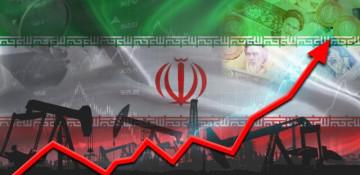
Iran occupies a strategically important position in global energy markets. Any threat to oil production, transportation routes or regional stability can push energy prices higher. Rising oil prices tend to increase inflation pressures worldwide, which can affect central bank policies and investor behavior.
Higher inflation often forces central banks to maintain elevated interest rates for longer periods. This environment is generally less favorable for risk assets, including cryptocurrencies, because investors can earn attractive returns from safer assets such as government bonds and money market instruments.
As geopolitical uncertainty rises, investors frequently move capital away from speculative assets and toward defensive investments. This shift can create selling pressure across the cryptocurrency market.
Bitcoin faces another safe haven test
One of the most debated questions in financial markets is whether Bitcoin should be viewed as a digital safe haven similar to gold or as a speculative technology asset.
The answer has changed depending on market conditions.
During some geopolitical crises, Bitcoin initially sold off alongside stocks before recovering rapidly. In other situations, investors treated Bitcoin as an alternative store of value, helping support prices despite broader market uncertainty.
The current Iran related tensions are likely to provide another important test.
If investors increasingly view Bitcoin as protection against inflation, currency devaluation and geopolitical instability, the cryptocurrency could attract fresh demand despite broader market fears.
However, if investors prioritize liquidity and safety, Bitcoin could face significant short term pressure as traders reduce risk exposure.
This uncertainty explains why Bitcoin has experienced heightened volatility whenever major developments emerge from the region.
Bitcoin forecast: next 30 days
Bearish scenario
If military tensions continue escalating, Bitcoin could experience another wave of selling pressure.
Under this scenario:
-
Investors move funds into cash and traditional safe havens.
-
Institutional traders reduce exposure to volatile assets.
-
Leveraged positions are liquidated.
-
Market volatility increases sharply.
In this environment, Bitcoin could struggle to maintain upward momentum and may test lower support levels.
Neutral scenario
A prolonged but contained standoff could result in range bound trading.
In this case:
-
Investors monitor developments without panicking.
-
Institutional demand remains relatively stable.
-
ETF inflows continue but at a slower pace.
-
Trading volumes remain elevated.
Bitcoin could fluctuate within a broad range while waiting for greater geopolitical clarity.
Bullish scenario
If diplomatic efforts succeed and fears of wider regional conflict ease, Bitcoin could benefit significantly.
A reduction in uncertainty would likely encourage investors to return to risk assets.
Positive catalysts could include:
-
Falling oil prices.
-
Improved global risk sentiment.
-
Increased institutional buying.
-
Strong ETF demand.
Under this scenario, Bitcoin could resume its longer term bullish trend.
Ethereum outlook amid geopolitical uncertainty
Ethereum faces many of the same macroeconomic challenges as Bitcoin, but it is often more sensitive to changes in investor sentiment.
Because Ethereum serves as the foundation for decentralized finance, NFTs and many blockchain applications, its valuation depends heavily on expectations for future growth.
When investors become cautious, Ethereum frequently underperforms Bitcoin.
Nevertheless, Ethereum retains several important advantages:
-
Strong developer activity.
-
Growing institutional adoption.
-
Expanding tokenization initiatives.
-
Continued growth of layer two networks.
If market conditions stabilize, Ethereum could recover quickly. However, during periods of acute uncertainty, investors may favor Bitcoin over Ethereum due to Bitcoin's larger market capitalization and stronger perception as a store of value.
Altcoins face the greatest risks
Among all segments of the cryptocurrency market, altcoins are likely to remain the most vulnerable if tensions worsen.
Historically, investors reduce exposure to speculative assets first during periods of market stress.
This means:
-
Meme coins often experience the largest declines.
-
Low liquidity tokens become more volatile.
-
Smaller projects struggle to attract capital.
-
Risk appetite deteriorates significantly.
Projects with weak fundamentals may face particularly severe challenges if investors continue seeking safety.
At the same time, stronger altcoin projects with established ecosystems could outperform the broader market once uncertainty begins to fade.
How oil prices influence crypto markets
One of the most important variables for cryptocurrency investors to monitor is the price of oil.
The Middle East remains critical to global energy supply. Any disruption can influence inflation expectations and central bank policy decisions.
Higher oil prices can create several challenges for cryptocurrencies:
-
Increased inflation fears.
-
Delayed interest rate cuts.
-
Stronger demand for defensive assets.
-
Reduced speculative investment.
Conversely, if energy markets stabilize and oil prices decline, cryptocurrencies could benefit from improving investor sentiment.
For this reason, many crypto traders are closely watching developments in global energy markets alongside traditional crypto indicators.
Institutional investors could limit downside
The cryptocurrency market in 2026 differs significantly from previous geopolitical crises.
One major difference is the growing presence of institutional investors.
Large asset managers, hedge funds, pension funds and corporate treasuries now have greater exposure to digital assets than ever before.
This institutional participation provides several potential benefits:
-
Increased market liquidity.
-
Stronger long term demand.
-
Reduced vulnerability to panic selling.
-
Greater market maturity.
Although institutions cannot prevent volatility, they may help reduce the severity of market declines compared with earlier years.
ETF flows remain a key factor
Spot Bitcoin ETFs have become one of the most important drivers of cryptocurrency market performance.
Strong ETF inflows can offset selling pressure from retail investors and traders.
If geopolitical uncertainty does not significantly reduce institutional demand, ETFs could continue supporting Bitcoin prices.
However, if investors begin withdrawing funds from crypto related investment products, market weakness could accelerate.
Monitoring ETF activity may therefore provide important clues regarding future market direction.
Could Bitcoin benefit from financial instability?
Some analysts argue that prolonged geopolitical instability may ultimately strengthen Bitcoin's long term investment case.
Their reasoning is based on several factors:
-
Bitcoin operates independently of governments.
-
Supply remains limited.
-
Transactions can occur globally.
-
The network remains accessible despite political tensions.
Supporters of this view believe that recurring geopolitical crises could encourage broader adoption of decentralized financial systems.
Critics, however, note that Bitcoin remains highly volatile and has not consistently behaved like a traditional safe haven asset.
The current conflict may therefore provide valuable evidence regarding Bitcoin's future role within the global financial system.
Key risks investors should watch
Several developments could significantly affect cryptocurrency markets in the coming weeks.
These include:
Regional escalation
Any expansion of military operations could increase market volatility and intensify risk aversion.
Oil price shocks
A major increase in energy prices could strengthen inflation concerns and pressure risk assets.
Federal Reserve policy
Persistent inflation could delay potential interest rate cuts, creating additional challenges for cryptocurrencies.
ETF demand
Changes in institutional investment flows may influence Bitcoin's ability to withstand geopolitical uncertainty.
Global economic growth
A slowdown in economic activity could reduce investor appetite for speculative assets.
Market outlook
The most likely near term outcome is continued volatility rather than a decisive trend in either direction.
Bitcoin remains better positioned than many alternative cryptocurrencies due to its scale, institutional adoption and growing reputation as a potential store of value. Ethereum could remain resilient but may underperform Bitcoin during periods of heightened uncertainty. Smaller altcoins face the greatest risks if market sentiment deteriorates further.
Over the longer term, the trajectory of the cryptocurrency market will depend not only on developments involving Iran but also on inflation trends, central bank decisions, ETF demand and the broader health of the global economy.
For now, investors should prepare for sharp price swings, increased volatility and rapid shifts in market sentiment as geopolitical headlines continue influencing financial markets worldwide. The coming weeks could prove crucial in determining whether cryptocurrencies emerge from the crisis as strengthened alternative assets or remain closely tied to the fortunes of traditional risk markets.
By Faig Mahmudov


Similar news