Cuba faces partial electrical grid failure during unrest


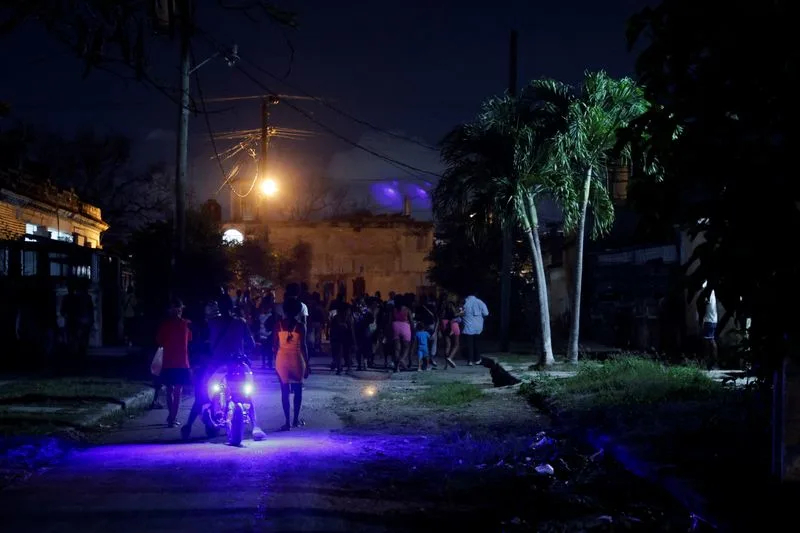
Cuba’s electrical grid experienced a partial collapse early Thursday, the grid operator UNE reported, cutting power across eastern Cuba and adding to the frustration of residents already coping with frequent blackouts amid a U.S. fuel blockade.
By mid-morning officials had restored power to some essential services in the region, the grid operator said, though much of Cuba east of Camaguey, including the island's second-largest city, Santiago de Cuba, remained largely without electricity, News.Az reports, citing Reuters.
RECOMMENDED STORIES
- Court rulings, arrests involving protesters, activists reported across Iran
- Protests and last-minute construction work disrupt Mexico City ahead of World Cup
- Court sentences, arrests reported across Iran in protest-related and other cases
- Protests turn violent in UK over student murder footage - VIDEO
The Caribbean island of nearly 10 million people has reached a tipping point this month, as summer heat sets in and the vast majority - including in the capital Havana - now suffer without electricity for 20 hours or more each day.
The blackouts dramatically worsened in January after U.S. President Donald Trump threatened tariffs on any nation supplying the island with fuel. Venezuela and Mexico, once the country's top suppliers of crude oil, have since cut off shipments.
Trump has predicted Cuba would "collapse" and has said he wants to oust the current communist-run government.
Cuba's energy and mines minister said on Wednesday that the island had completely run out of fuel oil and diesel, both critical to powering the island's electrical grid, and blamed blackouts on the U.S. blockade.
Widespread protests broke out across Havana on Wednesday evening as the power cuts in some parts of the city spanned 24 hours or more, threatening to spoil frozen food reserves and making sleep all but impossible for many residents.
"The country has no fuel and that's no lie," said Rodolfo Aragon, a 55-year-old small business owner who said he saw little hope for the future amid Cuba's conflict with the United States. "Our economy has hit rock bottom."
The United Nations last week called Trump's fuel blockade unlawful, saying it had obstructed the "Cuban people’s right to development while undermining their rights to food, education, health, and water and sanitation."
By Ulviyya Salmanli


Similar news