Deepak Chopra and Epstein: key questions answered


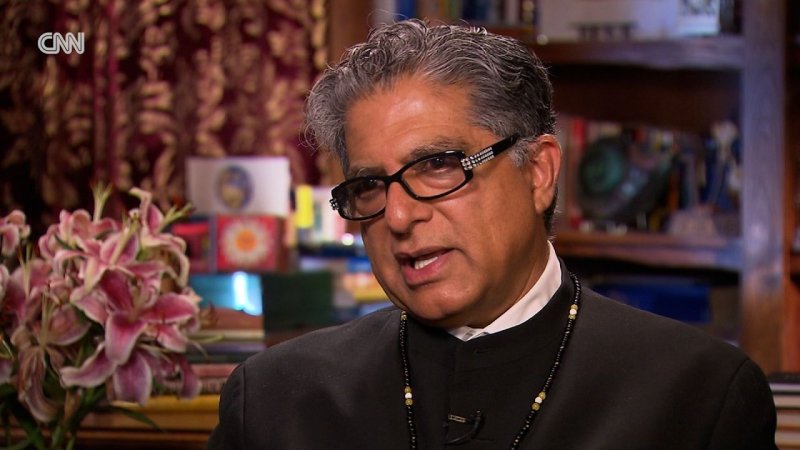
Newly released documents linked to the Jeffrey Epstein investigation reveal extensive communication and contact between bestselling author and wellness figure Deepak Chopra and disgraced financier Jeffrey Epstein.
The disclosures have raised questions about the nature of their relationship, the responsibilities of public figures when associating with controversial individuals, and what the revelations mean in legal and ethical terms, News.az reports.
RECOMMENDED STORIES
What follows is a detailed FAQ-style explainer designed to clarify what is known, what is alleged, and what remains unproven.
Who are Deepak Chopra and Jeffrey Epstein?
Deepak Chopra is an Indian American author, speaker and prominent figure in the fields of alternative medicine, spirituality and integrative wellness. Over several decades, he has built a global brand around meditation, mind body healing, consciousness studies and personal transformation. He has written dozens of bestselling books and collaborated with academics, celebrities and business leaders.
Jeffrey Epstein was an American financier who cultivated relationships with powerful individuals in politics, academia, science and entertainment. In 2008, he pleaded guilty in Florida to charges related to soliciting prostitution from a minor. In 2019, he was arrested on federal sex trafficking charges involving underage girls. He died in jail later that year while awaiting trial. His case triggered widespread scrutiny of elite networks and the people who interacted with him.
What are the Epstein files?
The term “Epstein files” refers to a large body of documents made public in phases through court releases, unsealed records, investigative disclosures and internal communications gathered during federal investigations. These materials include emails, text messages, contact lists, travel records, financial transfers, visitor logs and other documentation connected to Epstein’s social and professional network.
The release of these documents has led to renewed public examination of individuals who had contact with Epstein. It is important to emphasize that appearance in the files does not automatically imply criminal conduct. The documents reflect communication and association, not necessarily participation in illegal activity.
Why is Deepak Chopra’s name in the files?
Deepak Chopra’s name appears in the documents because investigators recovered extensive communications between him and Jeffrey Epstein. The correspondence reportedly spans several years, particularly between 2016 and 2019, a period when Epstein was socially active but increasingly controversial due to his prior conviction and mounting allegations.
The documents include email exchanges, text messages and references to in person meetings. The volume of communication suggests an ongoing relationship rather than a single incidental contact.
What kind of relationship did they appear to have?
Based on the released communications, Chopra and Epstein appear to have maintained a friendly and conversational relationship. Their exchanges reportedly touched on topics such as health, spirituality, scientific research, business ideas, travel and mutual acquaintances.
Some messages were informal in tone. In certain instances, affectionate sign offs or warm expressions of friendship were used. This tone has drawn attention because of Epstein’s criminal history and the public expectation that prominent figures would distance themselves from him.
However, the existence of cordial communication alone does not establish criminal conduct. It does, however, raise reputational and ethical questions.
Did they meet in person?
Yes. The documents indicate that Chopra and Epstein met in person on multiple occasions. Meetings reportedly took place in various locations, including private residences connected to Epstein.
These meetings appear to have involved discussions about wellness initiatives, intellectual projects and social gatherings. There is no public evidence in the released materials showing Chopra participating in criminal conduct during these meetings.
Were there financial links between them?
Some documents reference financial interactions, including a reported donation or payment linked to Epstein affiliated entities. The context described in public reporting suggests that such funds were connected to discussions around wellness projects or research initiatives.
Financial association does not automatically indicate wrongdoing, but it often intensifies scrutiny because financial ties suggest a deeper level of engagement than casual acquaintance.
Did the communications contain inappropriate language?
Certain excerpts from the messages have drawn criticism, particularly phrases referencing “girls” in social contexts. Given Epstein’s criminal record involving minors, any casual language referencing young women or girls is especially sensitive.
There is no publicly released evidence showing that Chopra was involved in or aware of criminal exploitation. However, critics argue that the tone of some exchanges reflects poor judgment in light of Epstein’s background.
Supporters counter that informal language in private communication can be misinterpreted without full context.
Did Deepak Chopra know about Epstein’s criminal history?
Epstein’s 2008 conviction was widely reported. By the mid 2010s, his reputation was controversial and polarizing. Whether Chopra fully understood the scope of the allegations or the seriousness of ongoing investigations at the time of their communication is not definitively established in the public record.
One of the central public questions is whether individuals who continued associating with Epstein after 2008 exercised sufficient ethical caution.
Has Chopra responded publicly?
Yes. Chopra has publicly denied involvement in any criminal or exploitative activity connected to Epstein. In statements following the renewed attention, he expressed sadness for victims and emphasized that his interactions were unrelated to criminal conduct.
He has also acknowledged that some communications, viewed in hindsight, may reflect poor judgment. He maintains that he was not aware of, nor did he participate in, any illegal acts.
Does being named in the Epstein files mean someone committed a crime?
No. Legal experts consistently emphasize that being mentioned in investigative documents or having communicated with Epstein does not equate to criminal liability.
Criminal guilt requires evidence of participation in illegal activity. The released communications show association, not proof of wrongdoing.
That distinction is crucial in separating reputational consequences from legal accountability.
Why does this story matter?
This story matters because it touches on broader themes of power, influence and ethical responsibility. Epstein’s ability to maintain relationships with prominent individuals after his conviction has prompted ongoing debate about how elite networks operate.
The Chopra revelations raise several important questions:
How should public figures vet their associations?
What level of due diligence is ethically required?
At what point does continued association become reputationally indefensible?
How should individuals respond when past associations are scrutinized years later?
These are not purely legal questions. They are moral and reputational ones.
What are the reputational implications for Chopra?
Deepak Chopra’s public brand is built around spirituality, ethics, consciousness and personal responsibility. Any association with a figure as notorious as Epstein risks damaging credibility among followers.
For some supporters, Chopra’s denial and acknowledgment of poor judgment may be sufficient. For critics, the sustained communication itself undermines trust.
Public reaction often depends less on legal facts and more on perceived moral alignment.
Is there evidence Chopra participated in abuse or trafficking?
As of the publicly available materials, there is no evidence demonstrating that Chopra engaged in or facilitated criminal abuse. The documents released thus far focus on communication and association.
Absent evidence of criminal conduct, legal culpability does not attach. However, ethical scrutiny persists independently of legal standards.
Why do elite figures sometimes maintain controversial associations?
Epstein’s case demonstrates how social capital operates within elite circles. He cultivated relationships by funding research, hosting gatherings and positioning himself as a connector among influential individuals.
For some public figures, the perceived intellectual or financial value of such relationships may overshadow reputational risk, at least initially. In hindsight, many individuals have distanced themselves from Epstein once allegations became widely understood.
The Chopra communications are being evaluated within that broader pattern.
What broader lessons emerge from this case?
Several systemic issues emerge:
Elite insulation: Wealth and status can delay social consequences.
Reputation lag: Individuals may underestimate long term reputational damage.
Transparency risks: Private communication can become public years later.
Ethical ambiguity: Legal innocence does not always resolve moral concerns.
The Chopra revelations sit within this larger conversation about accountability.
How should the public interpret private emails?
Private emails can be misleading without full context. Tone, humor and shorthand references may appear problematic when isolated from surrounding details.
At the same time, individuals in positions of influence are often held to higher standards of judgment. The tension between privacy and public accountability is central to interpreting these files.
What happens next?
As more documents are reviewed, additional context may emerge. Individuals named in the files may continue issuing clarifications or statements.
For Chopra, the likely trajectory involves:
Continued public questioning
Possible media interviews or clarifications
Reputational recalibration among supporters and critics
Ongoing separation between legal status and public perception
Is this story about legality or ethics?
Primarily ethics. Legally, no charges have been brought against Chopra in connection with Epstein. Ethically, public debate centers on whether continued association with a known offender reflects poor moral judgment.
In modern media ecosystems, ethical perception often shapes reputation as powerfully as legal outcomes.
Conclusion
The release of documents showing extensive communication between Deepak Chopra and Jeffrey Epstein has reignited scrutiny of elite networks connected to Epstein. The files indicate sustained contact, friendly exchanges and in person meetings over several years.
There is no publicly released evidence showing Chopra participated in criminal acts. However, the tone and duration of the relationship have prompted criticism and reputational questions.
The story ultimately reflects a broader reckoning: how society evaluates association, responsibility and judgment when powerful individuals intersect with controversial figures.
The distinction between legal guilt and ethical accountability remains central. As public review of the Epstein files continues, that distinction will likely shape discussions not only about Chopra, but about many others whose names appear in the records.
If further disclosures emerge, the conversation may evolve. For now, the case underscores a fundamental reality of the digital age: private networks can become public history, and reputational consequences can unfold long after the original associations occurred.
By Faig Mahmudov


Similar news