These assertions typically stem from misunderstandings about how electric vehicles function and what “radiation” actually means in a scientific context. In most cases, the concern relates not to nuclear or ionising radiation, but to electromagnetic fields generated by electrical systems inside the vehicle.
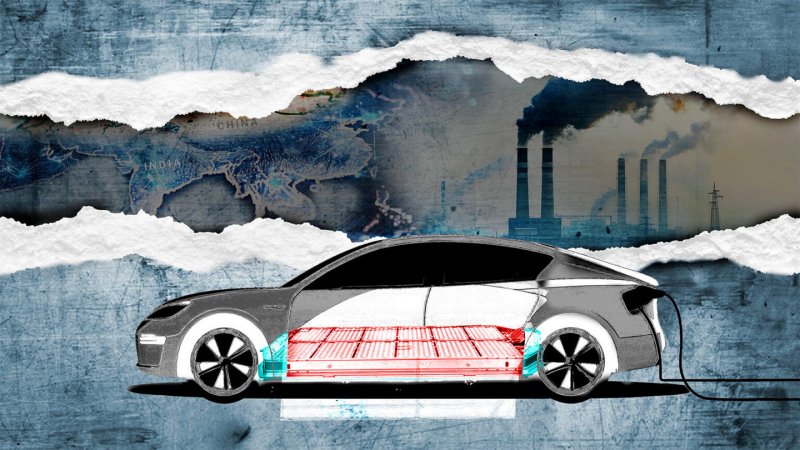
Electric vehicles rely on high-voltage batteries, electric motors and power electronics to operate. These components generate electromagnetic fields, which are a natural byproduct of electricity flow. However, this is not unique to electric cars or to vehicles made in China. All electrical devices, from smartphones to household appliances, produce similar fields.
The key issue is not whether such fields exist, but whether they pose any measurable risk to human health. This distinction is often lost in online discussions, leading to confusion and, in some cases, misinformation.
What kind of radiation are we talking about?
The term “radiation” can refer to a wide range of phenomena. In public discourse, it is often associated with harmful ionising radiation, such as X-rays or radioactive materials. However, electric vehicles do not produce ionising radiation. Instead, they generate non-ionising electromagnetic radiation.
Non-ionising radiation includes radio waves, microwaves and low-frequency electromagnetic fields. These are generally considered harmless at levels typically encountered in everyday environments. The electromagnetic fields in electric vehicles fall into this category.
Scientific bodies, including international health organisations, distinguish clearly between ionising and non-ionising radiation. The former can damage DNA and increase cancer risk, while the latter does not have sufficient energy to cause such effects under normal exposure conditions.
Do electric vehicles produce more electromagnetic fields than conventional cars?
Electric vehicles can produce different electromagnetic field patterns compared to conventional internal combustion engine vehicles, primarily because of their reliance on high-voltage systems. Components such as inverters, electric motors and battery packs can generate low-frequency electromagnetic fields during operation.
That said, conventional vehicles are not free from electromagnetic emissions. They contain electronic systems, wiring and alternators that also generate electromagnetic fields. Modern cars, regardless of type, are equipped with numerous electronic features, including infotainment systems, sensors and connectivity modules.
Studies comparing electric and conventional vehicles have generally found that while electric vehicles may exhibit slightly higher electromagnetic field levels in certain areas, these levels remain well below internationally accepted safety limits.
Are Chinese electric vehicles different from others in this regard?
There is no credible scientific evidence to suggest that electric vehicles manufactured in China emit higher levels of radiation than those produced elsewhere. Chinese automakers operate within global regulatory frameworks and often export vehicles to markets with strict safety standards, including Europe.
Electric vehicles sold internationally must comply with electromagnetic compatibility and safety regulations. These standards limit the levels of electromagnetic emissions and ensure that vehicles do not pose risks to passengers or interfere with other electronic devices.
As a result, the origin of the vehicle – whether Chinese, European or American – does not fundamentally change the nature of electromagnetic exposure.
What do international safety standards say?
Global standards organisations have established limits for electromagnetic field exposure to protect public health. These include guidelines set by bodies such as the International Commission on Non-Ionizing Radiation Protection and regulatory authorities in various countries.
Vehicle manufacturers are required to design and test their products to ensure compliance with these limits. This includes shielding, grounding and careful placement of electrical components to minimise exposure inside the cabin.
Testing is typically conducted under a range of operating conditions to ensure that electromagnetic emissions remain within safe thresholds. Vehicles that do not meet these standards cannot be legally sold in regulated markets.
How are passengers protected inside electric vehicles?
Electric vehicles are designed with multiple layers of safety measures to limit electromagnetic exposure. High-voltage cables are insulated and often shielded, while battery packs are enclosed within protective casings.
The layout of components is also carefully engineered to reduce exposure in areas where passengers sit. In addition, the vehicle body itself can act as a partial shield against electromagnetic fields.
Manufacturers conduct extensive testing during development, including simulations and real-world measurements, to ensure that exposure levels remain within safe limits under all normal operating conditions.
What do scientific studies say about health risks?
Research on electromagnetic fields and human health has been ongoing for decades. The consensus among major scientific and health organisations is that there is no conclusive evidence linking low-level, non-ionising electromagnetic fields to adverse health effects.
Studies specifically examining electric vehicles have found that exposure levels inside the cabin are typically well below recommended limits. While some variations may occur depending on driving conditions and vehicle design, these differences are not considered significant in terms of health risk.
It is important to note that research in this field continues, and scientists remain cautious about drawing absolute conclusions. However, current evidence does not support claims that electric vehicles pose a radiation hazard.
Why do these concerns persist?
Misinformation about radiation often spreads quickly because the concept itself is widely misunderstood. The term can evoke fear, particularly when associated with new technologies or unfamiliar products.
In the case of electric vehicles, the rapid growth of the industry and the prominence of Chinese manufacturers have contributed to increased scrutiny. Geopolitical tensions and competition in the global automotive market may also play a role in shaping public perceptions.
Social media platforms can amplify unverified claims, making it difficult for accurate information to gain traction. As a result, isolated measurements or misinterpreted data can be presented as evidence of broader risks.
Is there any situation where electromagnetic exposure could be higher?
Under certain conditions, electromagnetic field levels in electric vehicles may vary. For example, higher loads on the motor or battery system could lead to temporary increases in electromagnetic activity.
However, even in such scenarios, exposure levels are expected to remain within established safety limits. Vehicle systems are designed to operate safely across a wide range of conditions, including acceleration, charging and high-speed driving.
Charging infrastructure can also generate electromagnetic fields, but again, these are typically within safe limits and comparable to other electrical equipment.
How does charging affect radiation exposure?
When an electric vehicle is charging, electrical current flows between the charging station and the vehicle, generating electromagnetic fields. These fields are generally localised and decrease rapidly with distance.
Public charging stations and home chargers are subject to safety standards that limit electromagnetic emissions. As with the vehicle itself, the levels encountered during charging are not considered harmful.
Users are unlikely to experience significant exposure unless they remain in very close proximity to charging equipment for extended periods, which is not typical behaviour.
What should consumers keep in mind?
For most consumers, the available evidence suggests that electric vehicles, including those manufactured in China, are safe in terms of electromagnetic exposure. The levels of non-ionising radiation produced are comparable to those found in many everyday environments.
Consumers concerned about this issue may wish to consult independent safety assessments or regulatory certifications when purchasing a vehicle. Reputable manufacturers provide detailed information about compliance with safety standards.
Ultimately, decisions about vehicle purchases are influenced by a range of factors, including cost, performance, environmental impact and safety. Concerns about radiation should be considered in the context of scientific evidence rather than unverified claims.
What is the bottom line?
Electric vehicles do generate electromagnetic fields, but these are a normal consequence of electrical systems and are not unique to Chinese-made models. The radiation involved is non-ionising and, based on current scientific understanding, does not pose a health risk at the levels encountered in vehicles.
While public concern about new technologies is understandable, the evidence to date indicates that electric vehicles are safe from a radiation perspective. As the industry continues to evolve, ongoing research and regulatory oversight will remain important in ensuring that safety standards are maintained.