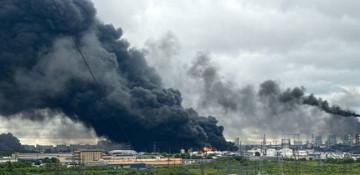
Ebola fears rise as 30 die at packed Congo refugee camp


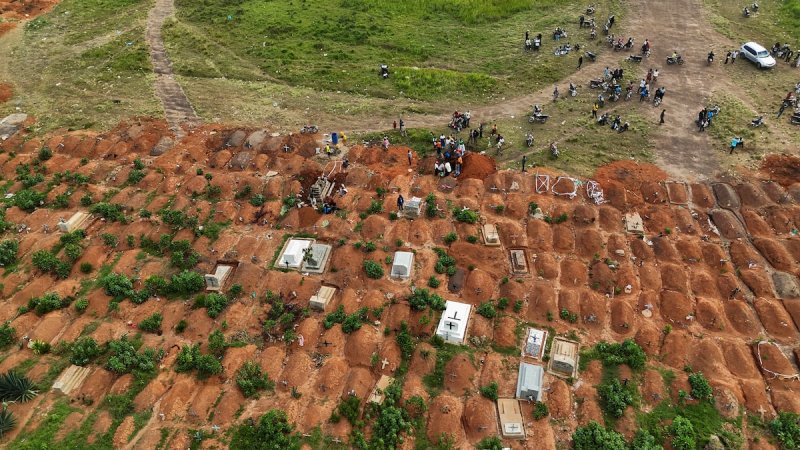
A sudden, unprecedented spike in deaths at a camp for displaced civilians in northeastern Democratic Republic of Congo has raised fears that Ebola is spreading rapidly and undetected.
At least 30 people have died since the start of May in the Kigonze camp in Bunia—the epicentre of the country's current outbreak. The camp typically records only one to three deaths per month, News.Az reports, citing Reuters.
Health officials have been unable to officially confirm the exact cause of the deaths due to deep community resistance:
RECOMMENDED STORIES
Refusal to test: Fearing the stigma and isolation protocols of the disease, patients and grieving families heavily resisted testing on both the living and the dead.
Telltale signs: Despite the lack of testing, all of the victims exhibited classic Ebola symptoms, including severe headaches, high fevers, and acute vomiting.
A glimmer of progress: Camp officials confirmed that health workers were finally permitted to collect samples from five recent victims, with laboratory results currently pending.
The Kigonze camp is home to more than 15,000 people fleeing ongoing conflict in eastern Congo. The virus spreads primarily through contact with bodily fluids, making the camp's severely overcrowded and unsanitary conditions a worst-case scenario for containment.
Families live tightly packed in plastic tents less than a meter apart, while the camp's limited latrines regularly overflow. Due to a lack of resources, residents are frequently forced to empty these public toilets using their bare hands.
Funding cuts cripple sanitation efforts
Aid workers warn that humanitarian funding cuts have left vulnerable populations completely exposed to deadly outbreaks.
According to United Nations data, international funding for critical water, hygiene, and sanitation (WASH) programs in the Congo more than halved between 2024 and 2025.
A significant portion of the shortfall stems from a shift in U.S. foreign aid policy under President Donald Trump, which scaled back long-term sanitation development. While Washington has committed over $375 million in direct medical aid specifically to fight Ebola, non-governmental organizations like Mercy Corps note that their U.S.-funded water and toilet projects in the region have been heavily dismantled. For instance, Mercy Corps' sanitation services in the area dropped from serving 125,000 people to fewer than 19,000.
With over 5 million displaced people currently living in temporary camps across eastern Congo, health experts fear that if Ebola takes root in these dense communities, containing it could become nearly impossible.
By Aysel Mammadzada


Similar news