EPF Coalition urges COP17 action on environmental impacts of Armenia’s mining sector



The “Environmental Protection First” (EPF) Coalition has appealed to participants of the Leaders’ Summit under the theme “Leaders for Nature” and the 17th Conference of the Parties to the Convention on Biological Diversity (COP17), scheduled to take place in Yerevan in October 2026.
In its appeal, the coalition, which consists of Azerbaijani civil society activists monitoring the environmental impacts of Armenia’s mining industry on regional ecosystems and transboundary rivers, called on the COP17 Presidency and summit participants to prioritize concrete environmental actions alongside biodiversity commitments, News.Az reports.
The coalition emphasized that the Kunming-Montreal Global Biodiversity Framework identifies progress toward biodiversity targets and the implementation of the System of Environmental-Economic Accounting (SEEA) as key priorities. It noted that COP17 will be a critical milestone for assessing the implementation of the framework and stressed that biodiversity conservation must be supported by tangible measures.
RECOMMENDED STORIES
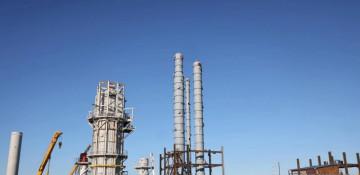
According to the appeal, mining activities in Armenia that do not comply with international environmental standards pose significant risks to biodiversity, water resources, ecosystems, and the broader environment of the South Caucasus. The coalition said it has repeatedly raised these concerns with Armenian authorities over the past three years and has expressed support for environmental organizations in Armenia seeking solutions.
The EPF Coalition stated that several transboundary rivers originate in Armenia and flow into Azerbaijan. Based on observations and monitoring conducted downstream, it said mining activities in upper river basins and source areas have resulted in concentrations of harmful substances exceeding permissible limits.
The coalition called for joint monitoring missions in Armenia involving international experts to ensure a transparent and comprehensive assessment of environmental conditions. It also urged Armenian authorities to make Environmental Impact Assessment (EIA) documentation for mining enterprises publicly accessible.
Referring to Azerbaijan’s participation in the UNECE Water Convention, the coalition highlighted the importance of joint monitoring of transboundary waters, information exchange, early warning mechanisms, and public access to environmental information. It noted that Armenia, despite being the upstream country for rivers flowing into Azerbaijan, is not a party to the convention, even though these waterways affect the biodiversity of the Kura-Aras river basins and ultimately the Caspian Sea.
The appeal also referenced the Espoo Convention, under which Armenia is obligated to notify neighboring countries and the public about activities near shared borders, including mining projects, and to prepare and submit transboundary EIA reports. The coalition said Armenia should fully implement these obligations.
The EPF Coalition further pointed to commitments made by Armenia in 2014 under the Espoo Convention regarding the Metsamor Nuclear Power Plant. It argued that while Armenia has been discussing plans to replace the plant’s aging reactor and continue operations, it has not provided sufficient public accountability concerning environmental impacts or measures to prevent radioactive contamination, which it described as a major threat to biodiversity.
The coalition said the peace agenda between Azerbaijan and Armenia following the Washington Summit has created new opportunities for cooperation between civil society organizations. It welcomed ongoing peace efforts and expressed the view that environmental justice can contribute significantly to sustainable peace in the South Caucasus.
In its concluding appeal, the EPF Coalition called on the COP17 Presidency and Leaders’ Summit participants to encourage Armenia to adopt concrete and measurable decisions on the protection of transboundary rivers, responsible management of mining activities, the establishment of transparent monitoring mechanisms, the implementation of monitoring programs, and public access to environmental information and data.
By Nijat Babayev


Similar news