EU Commissioner blames Germany's debt ceiling for investment shortfall


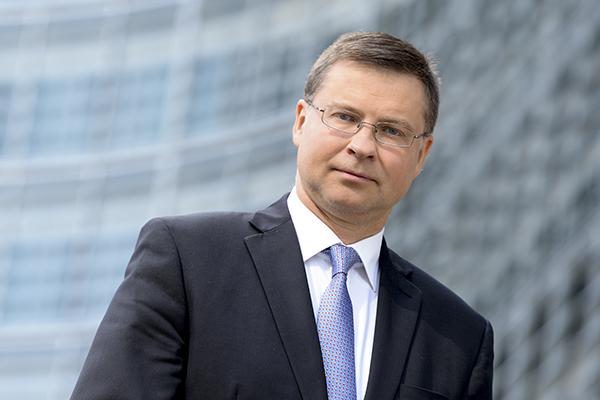
Photo: Google images
Germany's law prohibiting the government from accumulating debt is more to blame for a lack of investment than EU spending rules, according to the European economy commissioner, News.az reports citing Politico.
Valdis Dombrovskis dismissed claims by German politicians that the bloc's rules are stricter than Berlin’s domestic "debt brake," part of an increasingly noisy debate in the run-up to the country's Feb. 23 election that looks set to see Chancellor Olaf Scholz lose power.“On a number of occasions [the debt brake] can be actually placing stricter fiscal requirements on Germany than our new economic governance framework,” Dombrovskis said during a press conference in Strasbourg on Wednesday.
Pressure is growing on Christian Democratic Union (CDU) leader Friedrich Merz, Germany’s likely next chancellor according to opinion polls, to loosen the country's spending constraints as the economy tanks. While he, at times, has cautiously opened the door to reform in order to sustain greater investment, his party's official line is to adhere to the spending rules. “The debts of today are the tax increases of tomorrow," reads the party’s election manifesto.
Scholz's center-left Social Democratic Party (SPD) and the Greens, currently in government, support more drastic changes to the country’s self-imposed rule that limits the difference between spending and revenues to 0.35 percent of GDP, except in times of emergency.
The fiscally conservative Free Democratic Party (FDP) wants to keep the so-called Schuldenbremse untouched.
Its leader and former German Finance Minister Christian Lindner said that deleting the debt brake is pointless because the EU’s rules would still require higher spending cuts.
While Brussels’ new fiscal framework gives countries more time to rein in spending, it imposes annual targets to cut debt and deficit that were, notably, introduced at Lindner’s insistence.


Similar news