Europe resists idea of imposing US-Russia peace plan on Ukraine


Europe expressed concern over the US-Russia proposals for ending the war in Ukraine, stressing that Kyiv and its allies must play a central role in shaping any peace agreement.
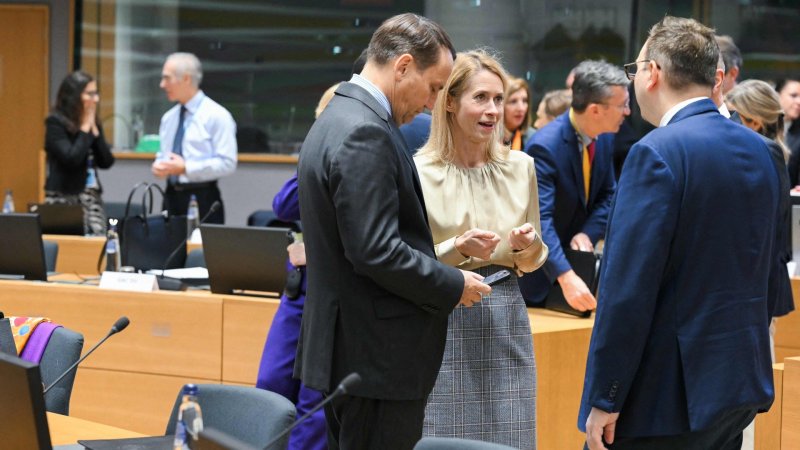
“What we as Europeans have always supported is a long-lasting and just peace and we welcome any efforts to achieve that,” the European Union’s top diplomat Kaja Kallas said on Thursday. “For any plan to work, it needs to have Ukrainians and Europeans on board,” she told reporters before a meeting of EU foreign ministers in Brussels, News.Az reports citing foreign media.
The latest attempt by US President Donald Trump’s administration to revive negotiations involves a 28-point plan drawn up in consultation between Moscow and Washington that’s modelled on the Gaza ceasefire. It outlines known Russian demands for concessions that are unacceptable to Kyiv and have so far hindered any breakthrough in efforts to reach a ceasefire.
A US military delegation led by Secretary of the Army Dan Driscoll has arrived in Kyiv for talks with Ukrainian President Volodymyr Zelenskiy and other top officials, including Prime Minister Yuliia Svyrydenko and army chief Oleksandr Syrskyi. It’ll examine ways to force Russia to end the fighting, according to people familiar with the matter.
European diplomats expressed scepticism about any possible deal, noting that Russian President Vladimir Putin has a track record of appearing to accept overtures when under pressure. Heavy US sanctions targeting Russia’s two largest oil companies, Rosneft and Lukoil, are due to come into force on Friday, the first major set of penalties imposed by Trump over the war.
Russia’s latest initiative is an attempt to prevent those sanctions from coming into effect, according to people familiar with the matter. They requested anonymity to speak freely on the matter.
Europe is Ukraine’s main supporter in the war and “we expect to be consulted” about any peace plan, Poland’s Foreign Minister Radoslaw Sikorski told reporters on Thursday. “It’s of course Europe’s security that’s at stake,” he said.


Similar news