For the first time: Ukrainian drones destroy Russian Gerbera carriers - VIDEO


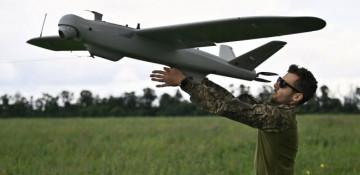
Ukraine says its forces have intercepted and destroyed a new version of Russia’s Gerbera drone for the first time, marking what Ukrainian officials describe as an emerging phase in drone warfare.
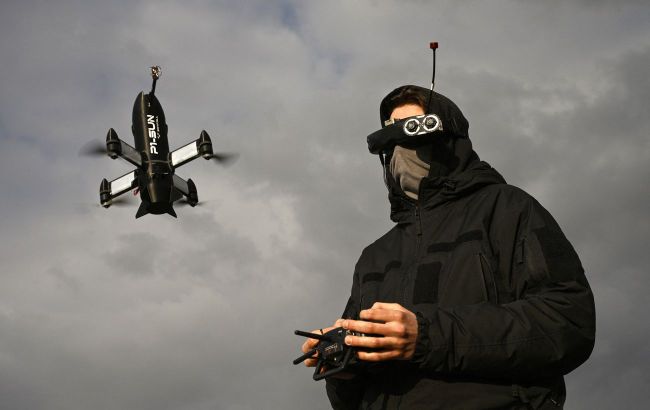
According to Ukrainian defense-focused reports, the intercepted drones were carrying FPV (first-person view) strike drones designed to be launched deeper inside Ukrainian territory. Ukrainian interceptor drones known as P1-SUN reportedly carried out the operation, News.Az reports, citing RBC-Ukraine.
The interceptions were conducted by units from the 58th Separate Motorized Infantry Brigade and the 302nd Anti-Aircraft Missile Regiment. Ukrainian operators said they detected and destroyed five Russian drones in a single day.
RECOMMENDED STORIES
Footage released by Ukrainian defense technology company SkyFall allegedly shows the Gerbera drones equipped with FPV systems mounted on top of their frames. The development suggests the drones are evolving from simple decoys into platforms capable of transporting additional strike systems.
The P1-SUN is specifically designed to target aerial threats such as Shahed-type drones and other unmanned systems. Ukrainian sources say some versions include thermal imaging and automated targeting capabilities to improve interception accuracy.
Until recently, Gerbera drones were mainly viewed as low-cost decoys used to overwhelm Ukrainian air defenses or conduct reconnaissance. However, Ukrainian military advisers now claim Russia has modified the platform into a carrier capable of delivering FPV drones over longer distances.
Officials warn that the change could expand the operational reach of explosive-equipped FPV systems, potentially allowing attacks on targets previously considered outside immediate drone range.
The development reflects the rapidly evolving drone battlefield between Russia and Ukraine, where both sides continue adapting unmanned technologies for reconnaissance, interception, electronic warfare, and long-range strikes.
By Aysel Mammadzada


Similar news