France, UK to host Hormuz security talks on Friday


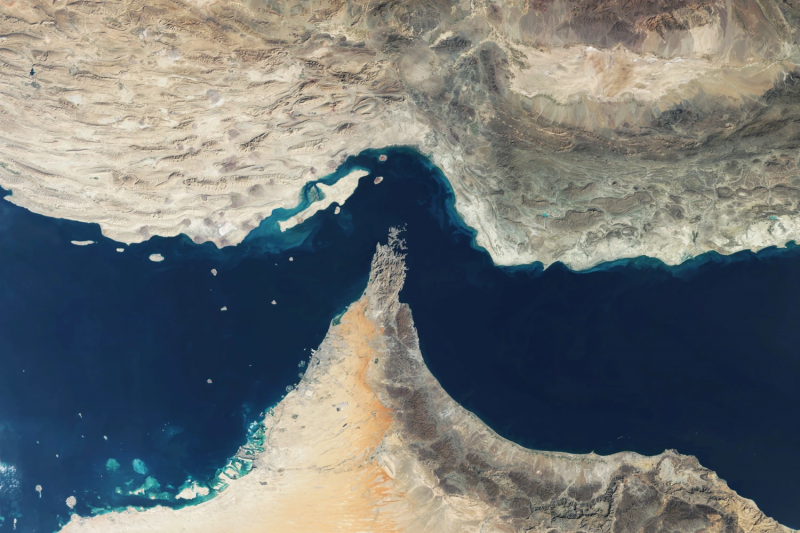
France and the United Kingdom will co-host a video conference on Friday with countries willing to contribute to a “purely defensive mission” aimed at securing the Strait of Hormuz, the French presidency announced.
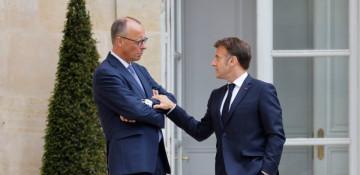
French President Emmanuel Macron and British Prime Minister Keir Starmer will jointly lead the meeting, which will focus on restoring freedom of navigation in the strategically vital waterway once security conditions allow, according to the Élysée Palace, News.Az reports, citing AFP.
A spokesperson for the British prime minister said the summit will advance efforts toward a coordinated, independent, multinational plan designed to protect international shipping after the conflict ends.
RECOMMENDED STORIES
Starmer said on Monday that the UK had already brought together more than 40 countries to discuss maritime security in the region.
Macron previously stated in early March that France and its partners were preparing a defensive mission to help reopen the Strait of Hormuz. However, he ruled out escorting vessels under conditions of active bombardment.
French Foreign Minister Jean-Noël Barrot said on Tuesday that “several dozen countries” have already participated in preparatory work led by military chiefs to define the framework for the mission.
He added that coordination with coastal states remains a key part of the planning process.
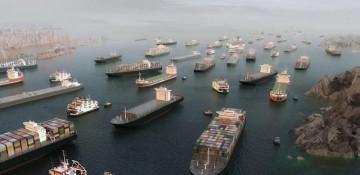
The initiative comes amid heightened tensions in the region following US-Israeli strikes on Iran in late February, which triggered a wider conflict and severely disrupted maritime traffic through the Strait of Hormuz, a critical global route for oil and gas shipments.
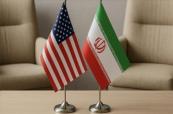
Although Iran and the US agreed last week to a temporary two-week cessation of hostilities, subsequent ceasefire talks held in Pakistan over the weekend reportedly ended without agreement.
Following the breakdown in negotiations, US President Donald Trump ordered a naval blockade of Iranian ports along the Strait of Hormuz starting Monday, further escalating concerns over global energy security and shipping routes.
By Nijat Babayev


Similar news